

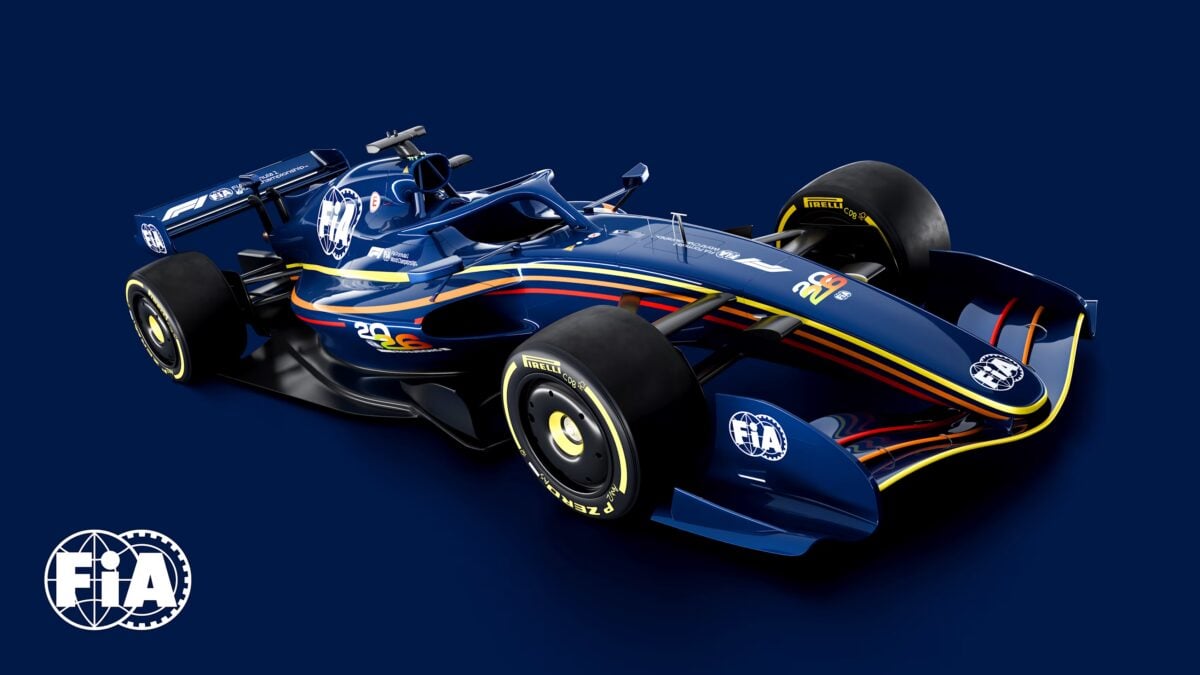
- 2026 brings a major technical reboot for Formula 1 with lighter, narrower, smarter cars designed for closer racing.
- Hybrid power shifts toward 50% electric energy plus 100% sustainable fuel across the grid.
- Active aero, new boost systems, and energy recharge strategy aim to replace the old DRS overtaking model.
If you're even vaguely interested in Formula 1, you've probably heard that 2026 is the year that the sport is changing, with the racing organisation ripping up the playbook and rebuilding the cars, engines, and even overtaking from scratch.
It’s not just tinkering; we’re talking a full-on reboot aimed at closer racing, greener tech, and a spectacle that looks and feels fresher on track.
However, early driver feedback hasn't all been positive, with Max Verstappen describing the new cars as “not fun to drive," while Lewis Hamilton raised concerns around the new rules being "ridiculously complex," and that "you need a degree to fully understand it all.”
Sure, Ferrari might be turning heads for all the right reasons after a disastrous 2025 season, but that doesn't mean it'll be smooth sailing as we approach the first race of the year.
So what has changed in this new "ridiculously complex" rule book? Let's get into the main changes that we'll witness at the Australian Grand Prix in Melbourne this weekend.
Smaller, Lighter, More Agile Cars
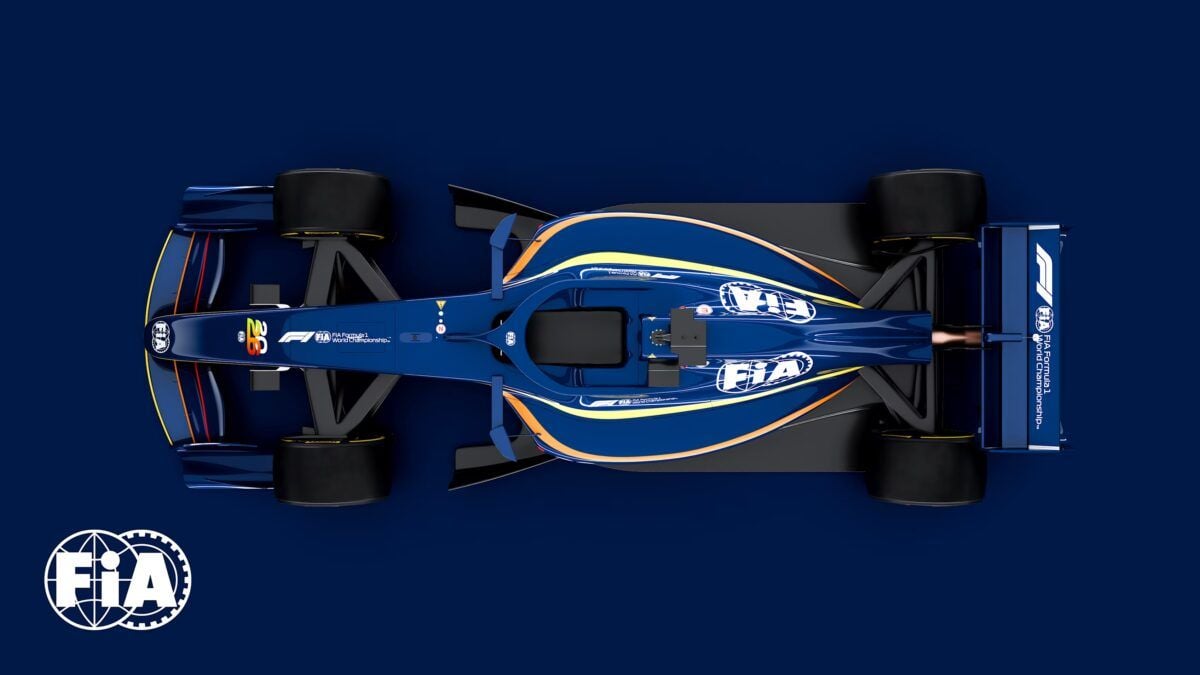
This year’s cars are noticeably slimmer and more compact. They're narrower (by 1,900mm), they've got a shorter wheelbase (by 3,400mm), and they're lighter (minimum weight is now between 768kg and 770kg).
The idea is simply to make the cars less bulky, and ideally, more nimble, translating to faster cornering and less dirty air trailing to create tighter battles for position. Downforce is down by double-digit percentages, and drag has been slashed by over 40% compared to the outgoing era.
Hybrid Engines Go 50/50 & New Sustainable Fuel
The heart of the 2026 Formula 1 car has also changed, with the 1.6-litre V6 turbo hybrid living on. But the balance of power is shifting toward electric, now with roughly 50% electric and 50% internal combustion. This is made possible thanks to a far stronger MGU-K unit and the removal of the more complex MGU-H.
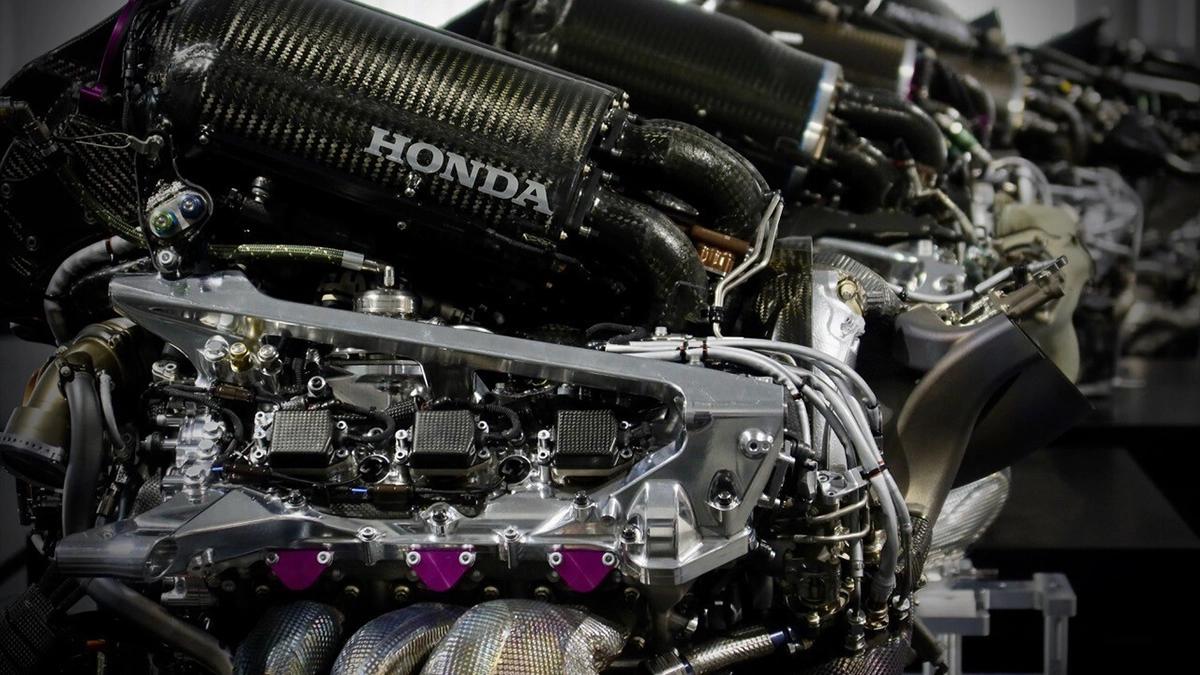
Another change is the fuel used by the cars, with all cars now set to run on 100% advanced sustainable fuels instead of fossil-derived blends, pushing F1’s Net Zero commitments front and centre. Last year, the F1 organisation confirmed it was on track to become Net Zero by 2030, and this update to the fuel is another step towards that.
Active Aero Replaces DRS
For the last 15 seasons, a Drag Reduction System (DRS) was the quick fix for overtaking, but in 2026, it’s being retired.
Instead, the cars will now boast active aerodynamics, featuring movable front and rear wing elements which drivers can toggle between a “high-downforce” corner mode and a “low-drag” straight mode whenever needed.
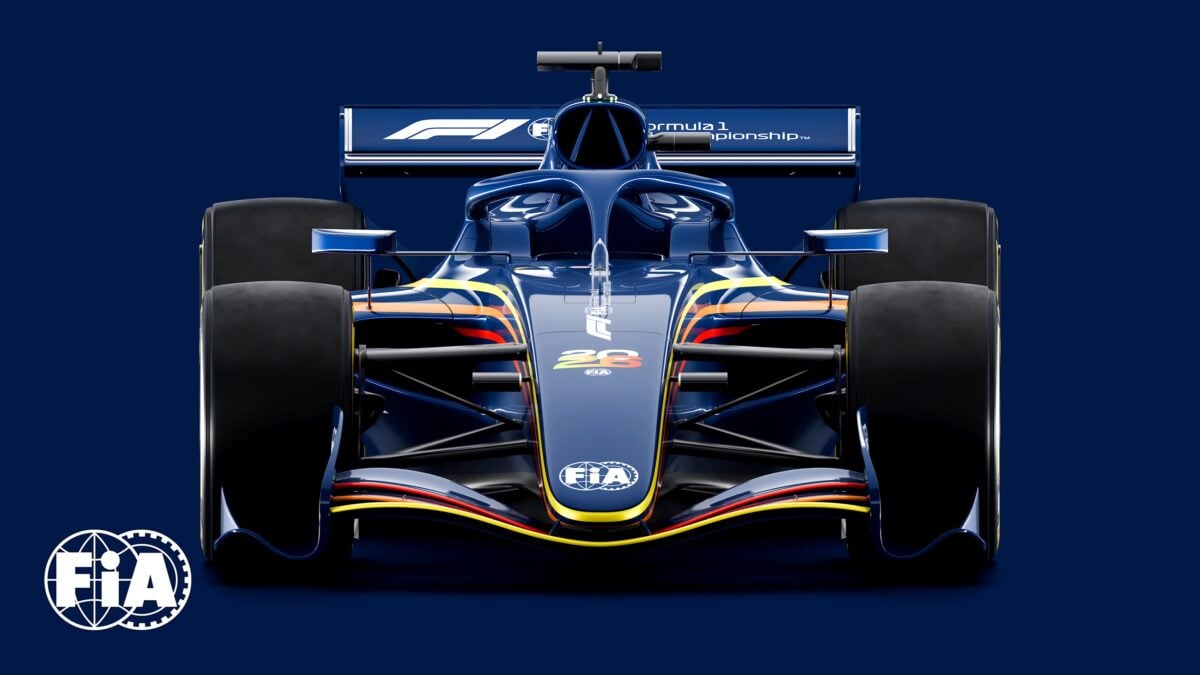
In a perfect world, this change has been introduced to reward racecraft over gimmicks and to keep battles tighter and more strategic. Whether or not that turns out to be the case remains to be seen.
New Overtake & Boost Modes
In addition to the retirement of DRS, F1 is also introducing a new overtaking toolkit with Overtake Mode, which kicks in when a car is within one second of the next. This will give it extra energy deployment from the hybrid system to help pass the car in front.
Then there’s Boost Mode, which is a driver-operated burst of top-end power for attacking or fending off rivals anywhere on track, set to make position battles even more strategic and exciting. Finally, there's a Recharge system (essentially a tactical management of harvesting energy), which promises to underscore the importance of timing and energy strategy in the sport, rather than focusing on pure pace.
Narrower Rubber, Same Wheels
Pirelli remains the sole tyre supplier, but the rubber itself is narrower to match the trimmed-down car concept. The front tyres will now be about 25mm slimmer and the rears around 30 mm narrower, cutting drag and saving weight.
Given how important tyre management has always been in F1 racing, both drivers and engineers will need to learn as the season unfolds as to how these slimmer contact patches affect grip, degradation, and strategy across different circuits and temperatures.
There will be five dry compounds this season (down from six with the scrapped C6 extra-soft option), plus intermediates and wets, giving teams plenty to juggle in race strategy.
Safety: Smarter Lights & Stronger Shells
F1 hasn’t just updated the car from a performance perspective – it's also taken significant steps to make the cars safer. They're now required to have upgraded impact structures designed to hold together better in a crash, reducing the risk of parts detaching and exposing the survival cell.
The roll hoop has to withstand higher loads (up from about 16G to around 20G), aligning with the toughest single-seater standards, and there are also new lateral amber lights on the mirrors and an updated rear RIS light system that improves visibility in wet or low-light conditions.
Put all that together, and what we're about to witness in 2026 isn't a slightly updated sport; it's a new generation of Formula 1 where hybrid power combines with smarter racecraft, and tighter battles are set to replace the DRS train effects we've seen in recent years. Lights out, and away we go.