

- Overtourism is influencing holiday choices, with travellers seeking quieter destinations and off-peak visits.
- Global travel is back to pre-pandemic levels, with 1.52 billion international trips in 2025.
- Countries from Italy to Japan and Denmark are implementing creative measures to manage crowds.
Living in Australia, weekends are usually spent with a long cycle through national parks and trails; coffee mornings at the latest breakfast bar in a leafy suburb; or horizontally across a warm towel in the corner of a quiet Sydney bay.
But with this unexpected summer rainfall, my weekend plans are scuppered. So I've spent the last week staring out at the storm-battered window, wondering where my next holiday might take me. I think it's only natural. And according to new Skyscanner data, I'm certainly not alone.
"84% of the 22,000 people we surveyed globally said they’d travel more in 2026," said Cat King, VP Commercial. "Gen Z and Millennials are really hitting the road or skies."
RELATED: Qantas’ Status Credits Program Just Got The Biggest Overhaul In Its History
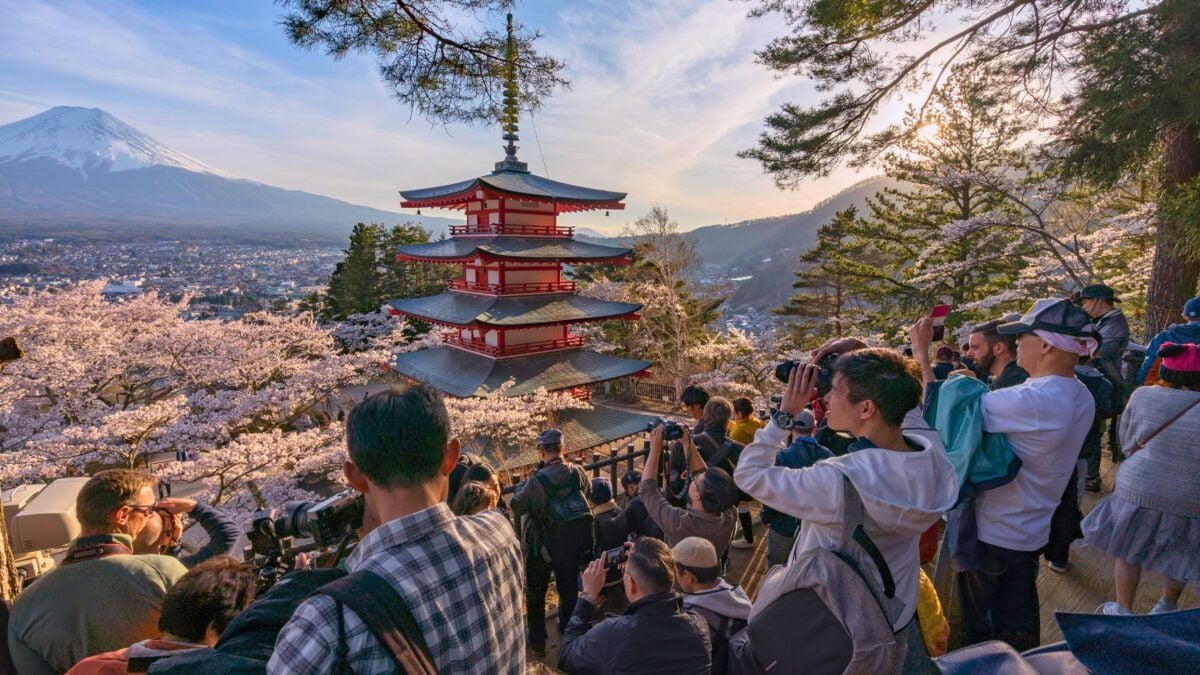
To put that into context, a record-breaking 1.52 billion people travelled internationally in 2025, according to the UN World Tourism Organisation, an estimated 60 million more than the previous year. Of course, some of us can't help it, travelling for family holidays or regularly hitting the Departures lounge for another work trip.
But this year, levels have returned to something close to the steady growth trajectory seen before the pandemic (about 5%), suggesting that global mobility is once again becoming a defining feature of modern life. But when people flood the world's hotspots, overtourism is inevitable. And it's forced participants to assess their plans for 2026.
"When it comes to overtourism, our latest research reveals a shift in traveller mindset," Martin Nolan, Skyscanner's Chief Legal Officer and Sustainability Expert, said.
"Over a third of travellers (34%) say they now actively seek out quieter destinations, and 31% plan to visit popular places only in shoulder seasons – a clear sign that overtourism is influencing decision-making."
In recent months, we've seen countries grappling with overtourism making sweeping systemic changes to combat the recent surge. The conversation has shifted away from whether people will visit these global capitals and more toward how they should be effectively managed.
"32% [of people] report that overcrowding has negatively impacted their travel experience."
Martin Nolan, Skyscanner Chief Legal Officer and Sustainability Expert
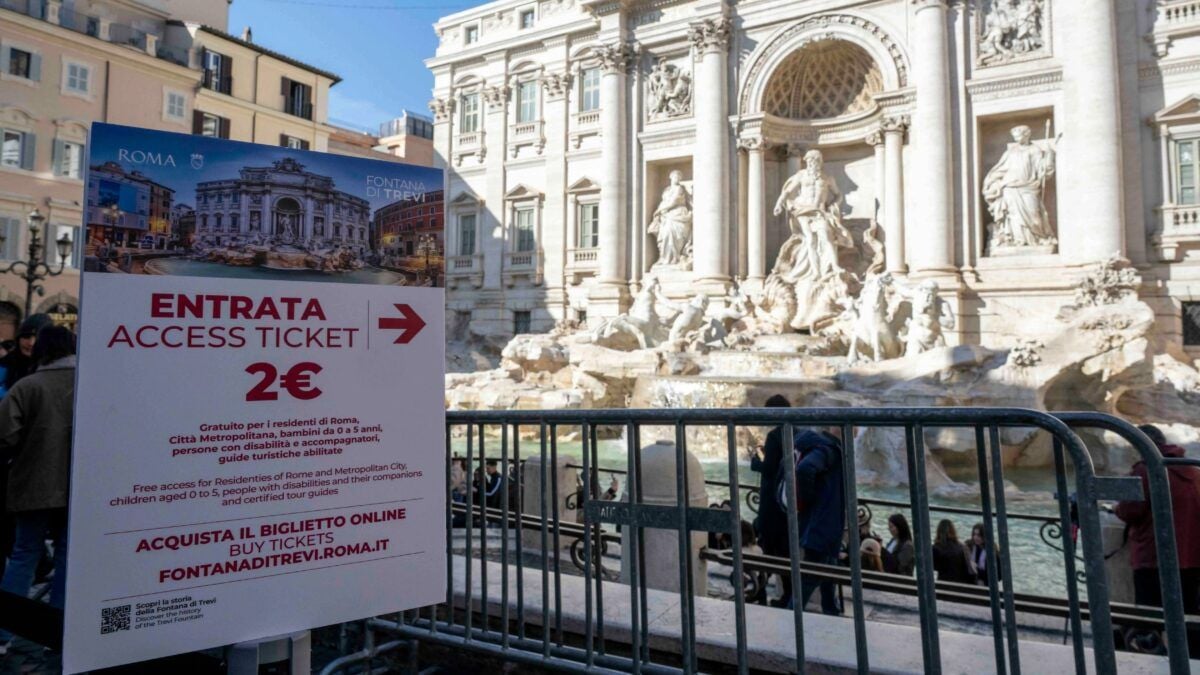
In Italy, one of the capital's favourite tourist hotspots, the iconic Trevi Fountain, now has a one-way queuing system to manage the influx of crowds, forcing visitors to wait their turn to reach the water's edge.
In Japan, the annual cherry blossom festival that attracts as many as 200,000 people has been cancelled after Fujiyoshida locals complained.
Even Copenhagen is experimenting with “behavioural nudges,” encouraging visitors to cycle or clean canals in exchange for experiences. I'll leave that for someone else.
Globally, travellers are responding to crowded hotspots with more creative solutions of their own, adjusting when they go, finding shoulder seasons are more appealing than peak summer. Though this might exclusively relate to the rugrat-free family.
Others are adjusting where they go, seeking destinations that are less overrun for more peaceful trips away from the scourge of the inevitable crowds. It makes me wonder whether it might be better if I plan an interstate staycation for my next batch of annual leave. After all, there's plenty of Australian travel still to discover.