
We get a lot of tech sent to the office on a weekly basis. Sleek boxes promising revolution, innovation, the next big thing. Most of it gets opened, tested for an hour or two, and then quietly shipped back to where it came from. It’s not that these products are necessarily bad – they’re just not particularly special. Another iteration, another incremental upgrade, another samey device in an oversaturated market.
At $789, I expected the Oakley Meta Vanguard glasses to sit firmly in that category of expensive yet forgettable tech. In fact, I wanted it to. What does Meta know about hardware, really? They’re a social media company that decided to cosplay as a legitimate hardware manufacturer. Come on, guys, stick to what you know – harvesting data and pivoting to whatever Zuck’s latest obsession is. This definitely wasn’t a product I was going to like.
But, as my wife frequently reminds me, I’m often wrong, never unsure.
Turns out, it was a product I was going to love.
First Impressions
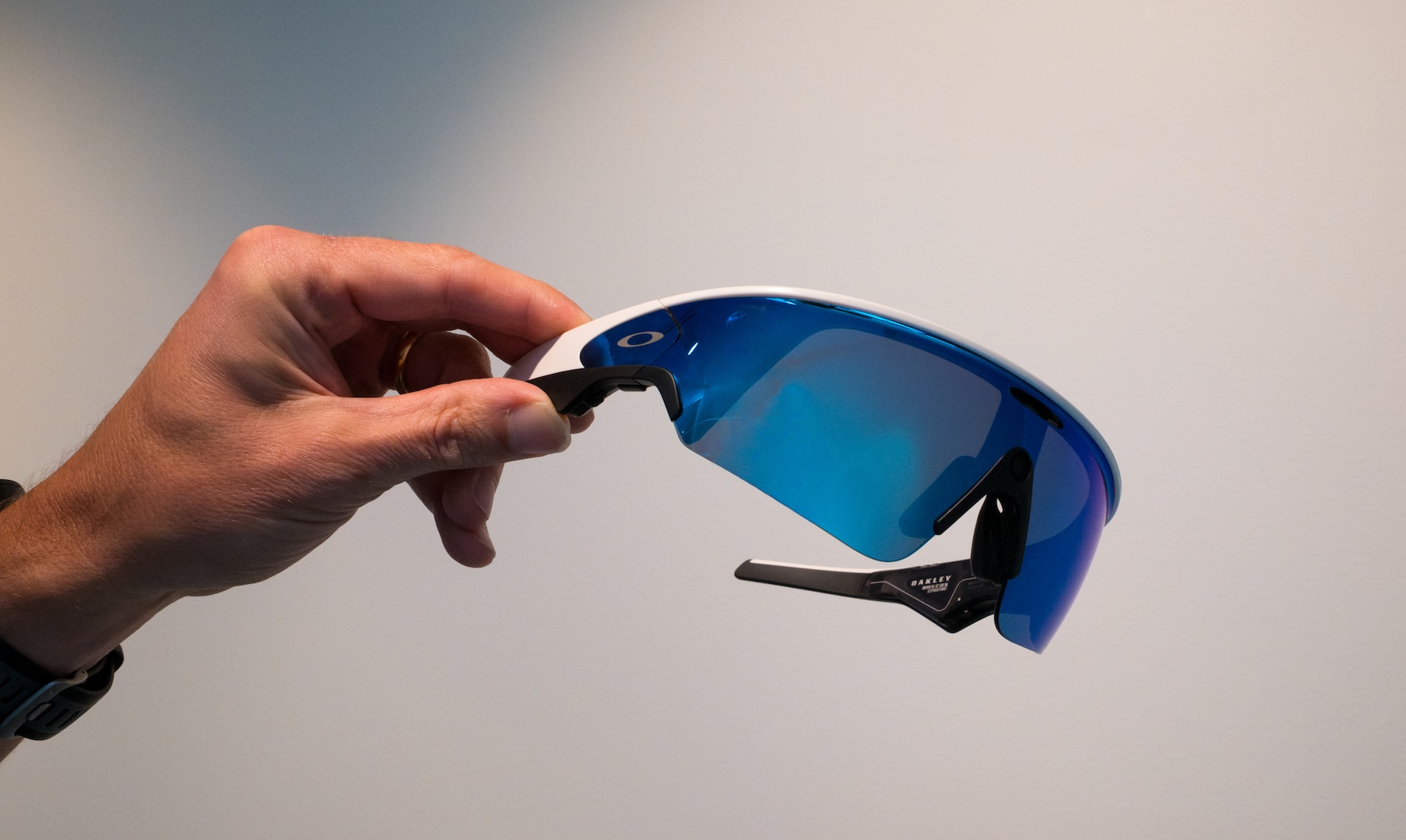
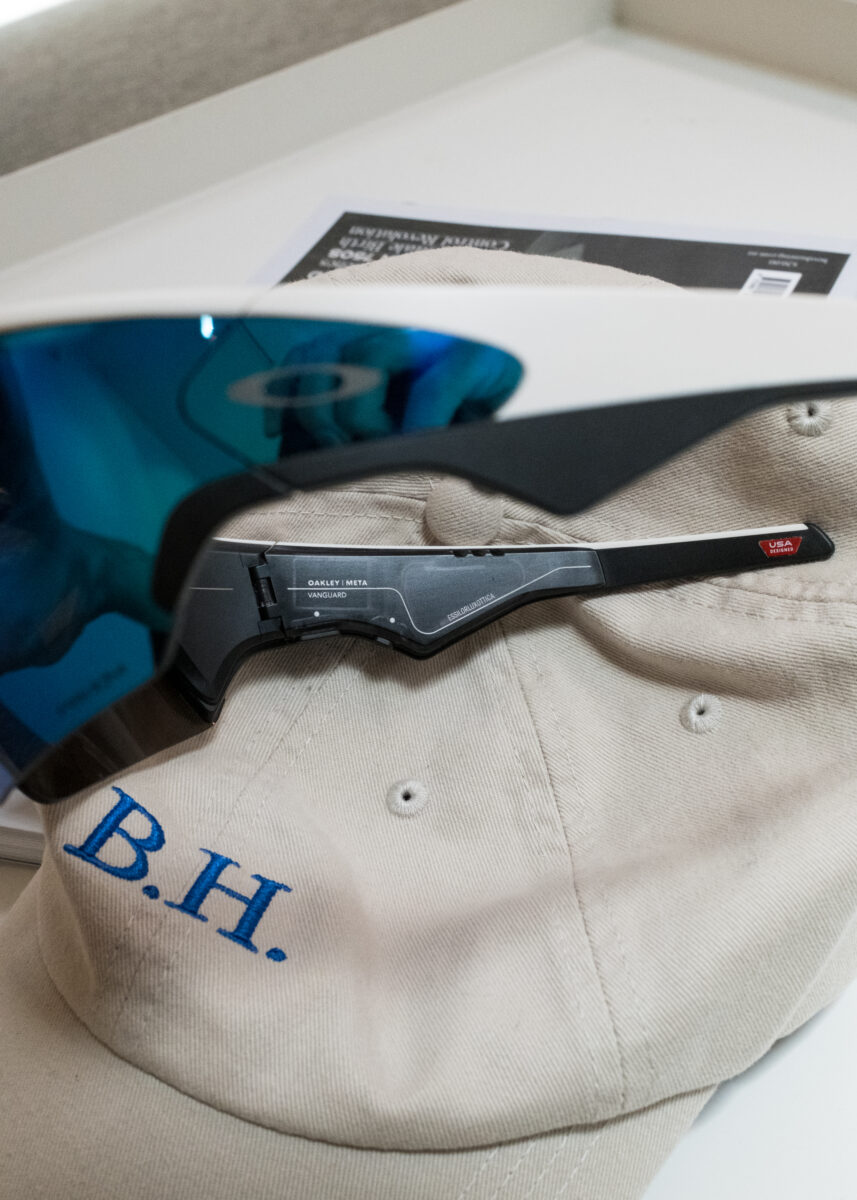
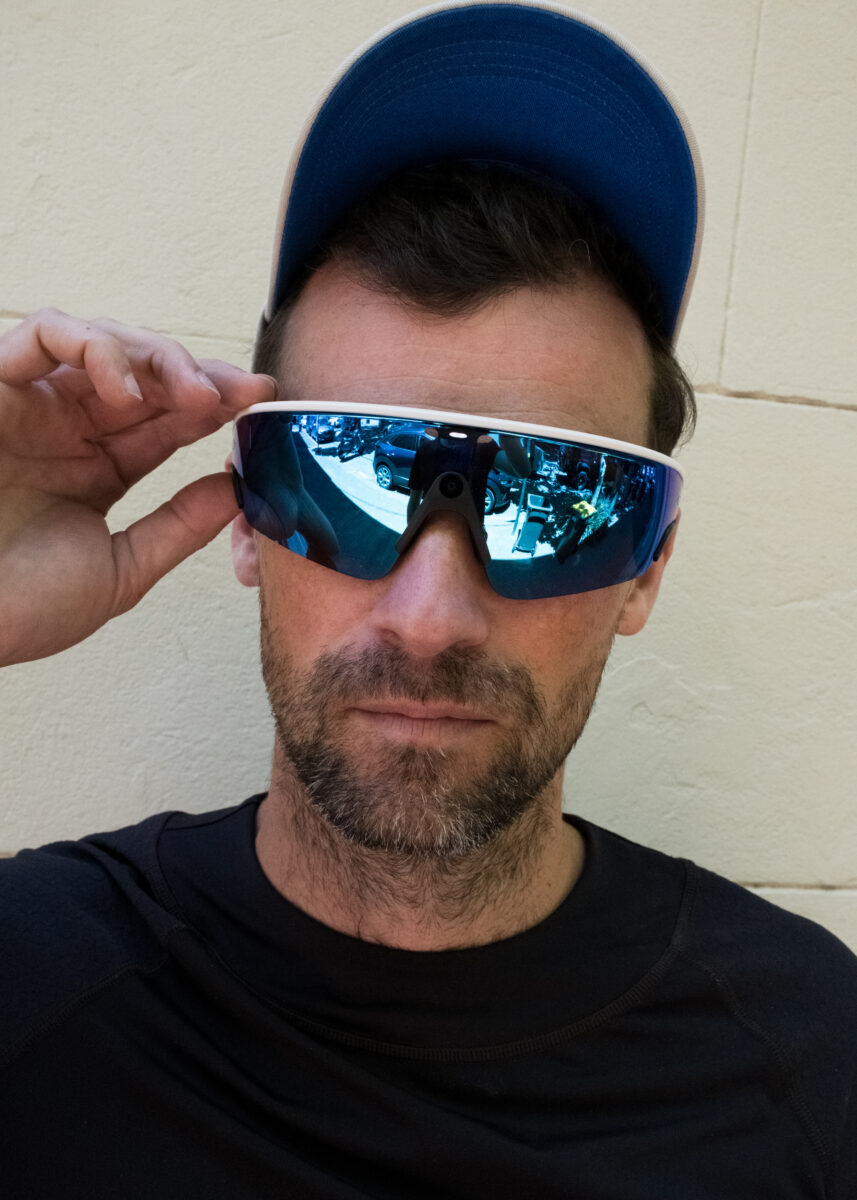
Let me start with the obvious: these are Oakley sunglasses first, smart glasses second. And that distinction matters more than you might think. The Vanguard doesn’t look like tech. They don’t have that “I’m wearing a computer on my face” aesthetic that plagued earlier attempts at smart eyewear like Google Glass. They look like premium sports sunglasses that you’d actually choose to wear, even if they had zero smart features.
The build quality is immediately apparent. These feel substantial without being heavy, with Oakley’s signature attention to detail evident in every hinge and curve. The frames come in several colourways, and unlike previous Meta Ray-Ban collaborations, the Oakley partnership brings genuine sports performance DNA. These are sunglasses built in collaboration with people who actually understand eyewear.
The consumer interest is real, too. I lost count of how many people asked me if I was wearing “those Meta glasses” and “are they any good?” There’s clearly an appetite for smart glasses that’s been waiting for a product that doesn’t look ridiculous.
The Camera: The Killer Feature
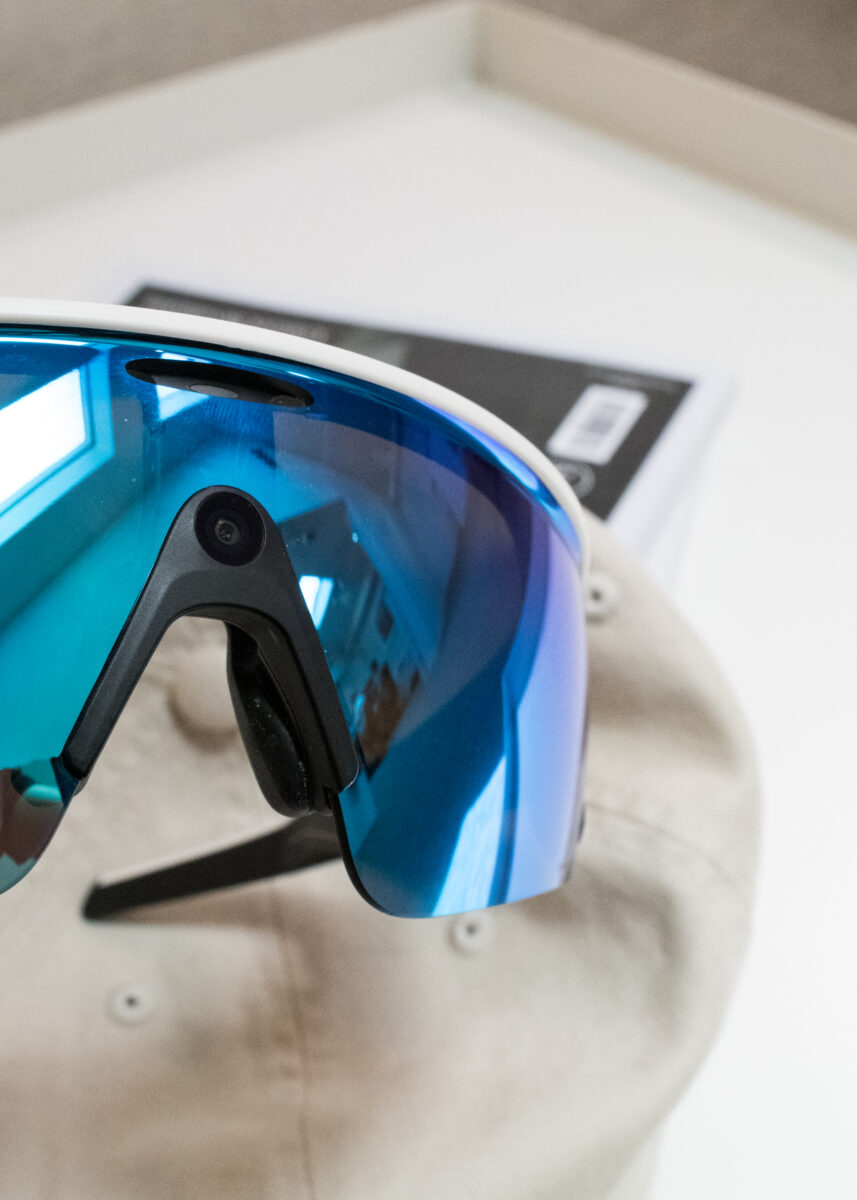
Here’s what I didn’t expect: the camera would become the reason I reach for these every day. At 12MP, it’s not going to replace your smartphone for serious photography. But the beauty is in how effortless they are to use. You can see something and capture it without breaking stride, without fumbling for your phone, without that moment of separation that comes with pulling out a device.
I’ve captured sunrises on morning runs that I never would have stopped to photograph. The first-person perspective adds an intimacy and immediacy that’s impossible to replicate when you’re holding a phone.
But it’s the family moments that really sold me. During a recent trip to Noosa for the triathlon, I wore them at the beach with my daughter. Being able to capture her playing in the sand, all while being fully present, not distracted by a phone screen – that’s the magic. I have videos from her eye-level perspective as we played together, moments I would have either missed entirely if I’d been looking through a phone screen.

When you’re exercising or playing with your kids, your hands are occupied. Your attention is elsewhere. The Vanguard glasses let you be in the moment while still capturing it.
Audio Quality: Better Than It Has Any Right To Be
The audio was the other revelation. I’ll admit I was sceptical about open-ear audio in sunglasses. It sounds like a compromise, and usually, compromises in tech mean “mediocre at best.”
The audio quality is surprisingly good for what it is. Rich enough for music, clear enough for podcasts, and more than adequate for calls. On runs and rides, they’ve completely replaced my earbuds. I can hear my surroundings while still enjoying music or a podcast. The sound doesn’t fatigue your ears the way in-ear buds can on longer sessions.
Is the bass basically non-existent? Can people nearby hear what you’re listening to? Sure, at higher volumes, but at reasonable levels, it’s surprisingly private. And for exercise and outdoor use, the awareness of your environment isn’t a bug, it’s a feature. I’m not dodging cars or pedestrians because I couldn’t hear them coming.
The integration is seamless. Controls are intuitive enough that I figured them out mid-run without consulting instructions. You can skip tracks, adjust volume, and take calls all without breaking stride or reaching for your phone.
The Fitness Side Of Things
Here’s where Meta actually showed some restraint and intelligence: rather than trying to reinvent the wheel with their own fitness tracking, they partnered with the platforms athletes already use. The Garmin and Strava integrations are surprisingly well-executed and pretty useful.
For Garmin users, there’s a Connect IQ app that lets you overlay workout data directly onto your videos – speed, heart rate, distance, pace, all the metrics you’d want to show off. The app automatically groups your photos and videos from each workout based on the start and end times from your Garmin device, which makes finding and organising content easy. You can even ask Meta AI for real-time stats during your workout (“Hey Meta, what’s my heart rate?”), but I found glancing at my watch is easier.
The Strava integration works similarly, pulling in your workout data for video overlays, though it’s not quite as seamless as the Garmin implementation. For Apple Watch users, there’s also Apple Health integration that provides comparable functionality.
The big win here is that Meta didn’t try to make these glasses a fitness tracker. They’re just really good at capturing your workouts and making that content easy to share with the data you care about. It’s a smart play – let Garmin, Strava, and Apple do what they do best, and just focus on making the camera and audio integration work flawlessly. For anyone who regularly posts their rides or runs to social media, this integration alone makes the glasses worth considering.
The Meta AI Stuff
Let’s be honest about the Meta AI integration: it’s not there yet. I barely used it after the first week. The voice interface feels clunky, the responses are often slow, and the actual utility doesn’t justify the friction of using it. Maybe future updates will improve this, but right now, it feels like a tech demo rather than a genuine feature.
The good news? You can completely ignore it, and these glasses are still great. The camera and audio are reason enough to own them. The AI features feel like something Meta is using us to beta test, and right now, they’re the only real weakness in an otherwise impressive package.

What About The Battery Life?
Battery life sits at around 4-6 hours of mixed use. In practice, if you’re using the camera actively and listening to audio, expect closer to 3-4 hours. For a morning run or an afternoon outing, that’s plenty. For an all-day adventure, you’ll need to be strategic or bring the charging case.
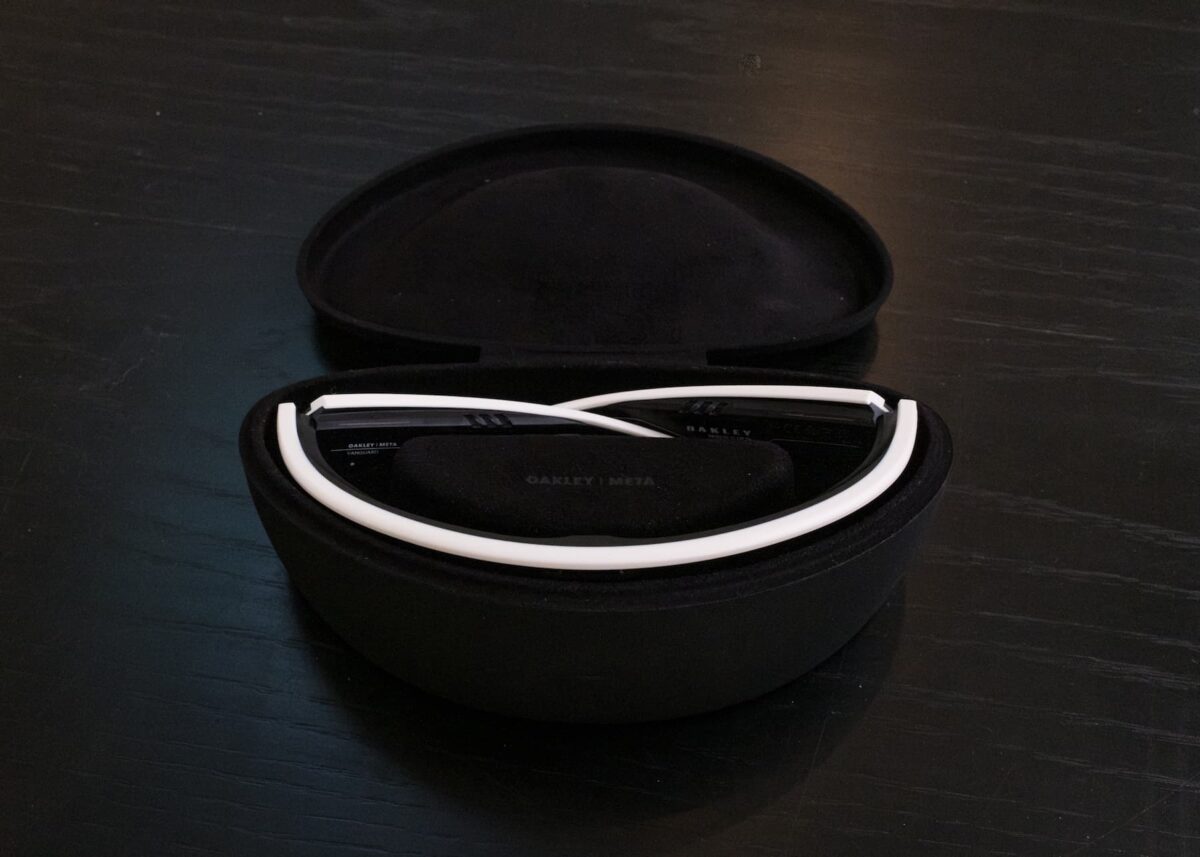
The case itself is bulky but holds about three full charges, which has proven sufficient for most multi-day trips. During the trip to Noosa, I charged them overnight, and they made it through full beach days with some battery to spare (though I was conscious of not recording continuously).
This Is V1, And That’s Okay
Let me be clear: these are a first-generation product that actually works. That’s rare in tech. Usually, V1 means “wait for V2” or “interesting proof of concept.” The Vanguard is different. They’re the first smart glasses that are actually good at being both smart and glasses.
I can’t wait to take these glasses skiing, effortlessly capturing runs down the mountain without a chest mount, without thinking about camera angles, without any of the friction that comes with action cameras. Just you, the mountain, and glasses that happen to be recording. If Meta can solve the cold-weather battery problem and bump up the image stabilisation, the action camera market should be very, very afraid.
The Verdict: The First Smart Glasses Worth Buying
I really wanted to hate the Oakley Meta Vanguard glasses. I wanted them to be another half-baked attempt at making smart glasses happen, another overpriced gadget solving problems nobody has.
Instead, I keep reaching for them. Not because of gimmicky AI features or augmented reality promises, but because they nail the fundamentals: capturing authentic moments and delivering quality audio, all while being sunglasses you’d actually wear.
They’re definitely a V1 product, but they’re the first smart glasses that are genuinely good. The camera captures life as you’re living it. The audio is excellent for runs, rides, and everyday use. And people are genuinely interested when they see them, which suggests Meta might actually be onto something.
For parents, athletes, and anyone tired of experiencing life through a phone screen, these are worth every penny. The AI stuff might improve over time, but honestly? The camera and audio alone justify the purchase.
Sometimes being wrong feels pretty good.