

- Ski mountaineering makes its Olympic debut as the first new Winter Games sport in 30 years.
- Australian athletes face unpredictable alpine terrain with little margin for error.
- Endurance, risk assessment and adaptability define the sport’s steep learning curve.
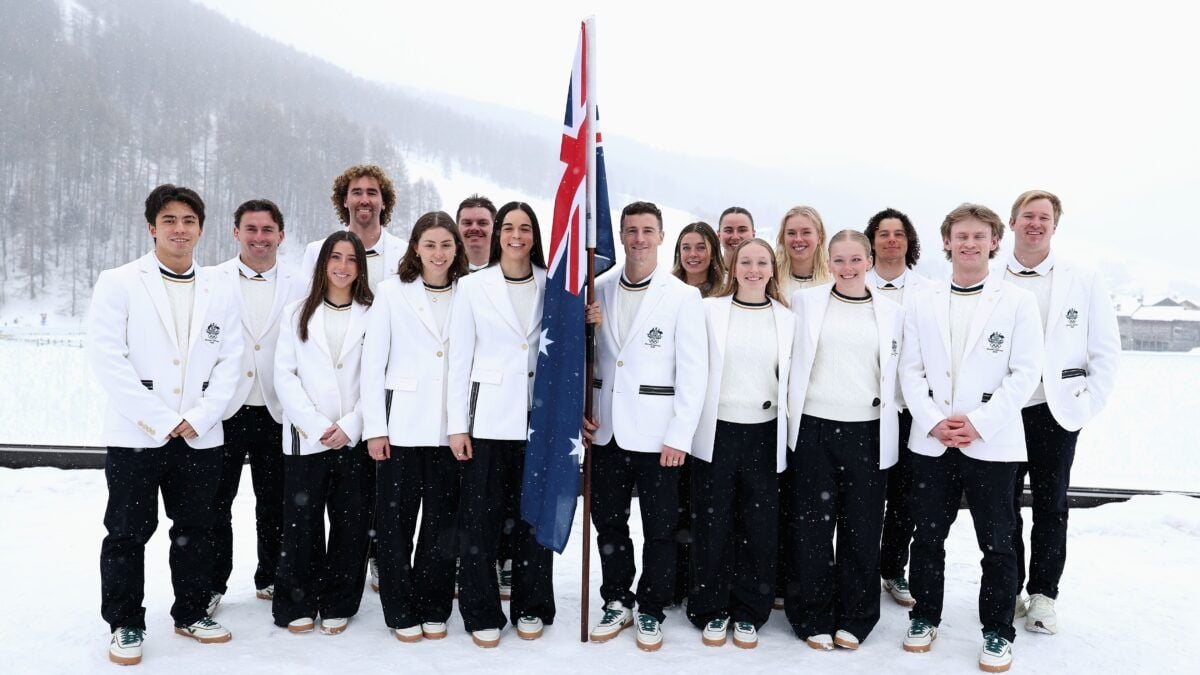
It's true what they say: 'What goes up, must come down'. No more is this well-trodden phrase more evident than at Milano Cortina at this year's Winter Olympic Games, where more than 50 Australian athletes have descended on the snow-capped Italian Dolomites for a series of high-octane Alpine events in the hope of the medal finish.
Since the Games kicked off on February 6, viewers across the globe have been treated to a wintry spectacle, with Australia's medal-hopefuls traversing, skidding, slaloming and absolutely sending it through the snow in one of Europe's most iconic locations. But not all have had the luxury of gravity on their side.
RELATED: Australia’s 10 Greatest Moments In Olympic History
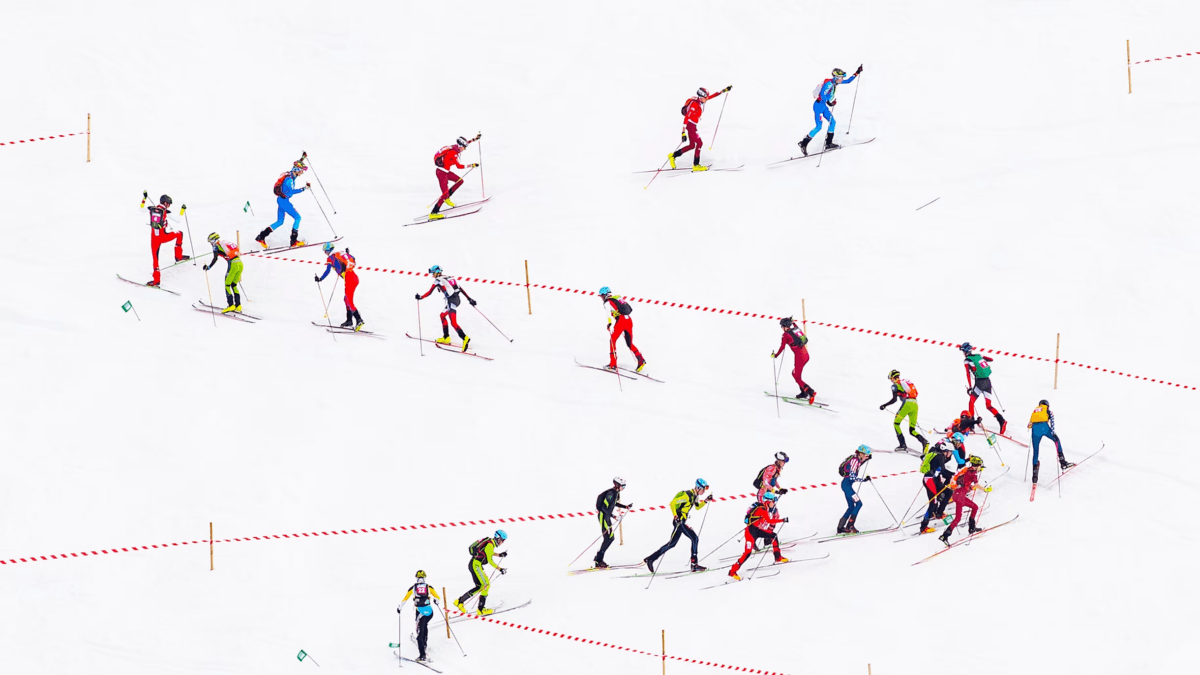
Making its Olympic debut at Milano Cortina 2026, ski mountaineering flips the familiar winter-sport equation. Fast and technically demanding through unforgiving, transient terrains, SkiMo as it's more commonly known, is a discipline built as much on climbing as it is on descending through the snow.
In a sport where courses are rarely skied before race day and conditions can shift by the minute, preparation looks very different. So how does an athlete ready themselves for an Olympic event few have ever watched before? And how does a country better known for surf breaks and sunrise swims prepare for the newest, and perhaps most demanding, winter sport on the Olympic program?
"When skiing in the backcountry, the main thing is knowing snow conditions and avalanche risks," Phillip Bellingham, Australia's four-time Winter Olympian said. "Understanding how snow layers form, recent weather conditions, and potential dangers is key. If you can identify risks, you can avoid dangerous situations."
What first began as a way to move through snow-covered mountains long before groomed runs and chairlifts up to the Après-ski bars, ski mountaineering quickly evolved into formal racing events in Europe in the late 19th century.
It's the first new sport at the Games in 30 years, defined by intense uphill climbing, fast transitions, and downhill skiing in alpine terrain, using skis.
"I like to visualise the course, plan which sections to push, and think through different scenarios – what could go right and wrong. That way, I'm prepared for anything on race day."
Unlike most Olympic sports, however, you won't find the ski mountaineering tracks through closed, fully controlled piste. Even in a competition setting, Olympic athletes are operating in high alpine terrain where conditions can change overnight, going from snowy conditions to harsh and icy under ski through the night.
Which, for athletes who might not even see the course before the main event, presents a unique set of challenges at the Winter Games.
"You always have to be ready to adjust," Bellingham continued. "Conditions change – snow can be icier or softer than expected, and tracks vary at every venue. You don't usually get to ski the course until race day, so being adaptable is essential."
That constant need to adapt is what sets ski mountaineering apart, and what makes its Olympic arrival so compelling for the Games. Here there are no rehearsed runs and no guaranteed conditions, meaning the athletes competing in Cortina have very little margin for error. Success in the snow is built on preparation and an ability to read the mountain in real time.
As Australia’s ski mountaineering athletes prepare to take to the snow on February 19 for the sport’s first Olympic heats, they do so knowing they are stepping into uncharted territory, not just for themselves, but for the Winter Games and Australia as a whole.
In a Winter Games steeped in tradition, ski mountaineering cuts a different line on the world’s biggest stage, emerging as the Games’ newest and most uncertain frontier.