
Editor’s Note: This story originally appeared in Volume 6 of B.H. Magazine, pre-order your copy of Volume 7 now.
(Photos Julia Wimmerlin, Stephane Sby Balmy, and Stéphane Aït Ouarab)
Standing in the cavernous heart of the Louvre with barely a soul in sight, I stop to take it all in. The excited chatter and echo of thousands of eager tourists, students, and local art lovers has been replaced by the monotonous hum of a floor polisher gliding over ancient stone. And then, silence.
I’m here, in the lobby of the world’s most famous museum – now closed to the public – for an exclusive celebration of Vacheron Constantin’s 270th anniversary.
The Swiss watchmaker and the Louvre have enjoyed a close partnership for over a decade, one that began when Vacheron lent its horological expertise to a complex restoration project within the museum’s collection. In 2025, they reunite for their most ambitious collaboration yet: the Mécaniques d’Art exhibition, anchored by the brand’s newly unveiled centrepiece – the astronomical clock and automaton known as La Quête du Temps (The Quest for Time).
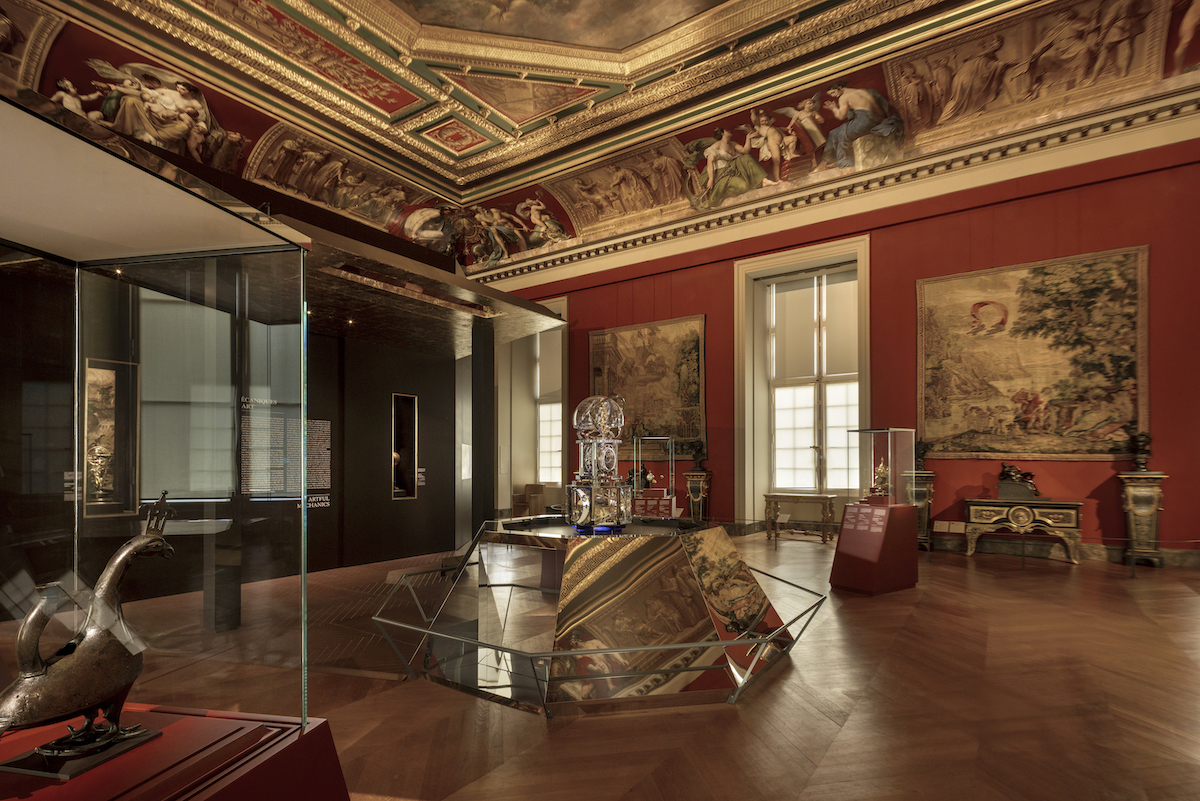
A select handful of media and I are in Paris for a private tour of the exhibition – and an early look at La Quête du Temps before its public unveiling – making for a once-in-a-lifetime wander through an empty cultural icon. Unsurprisingly, we’re kept on a tight but friendly leash as we move through the ancient halls, eventually arriving at the Sully Wing, where the exhibition is staged.
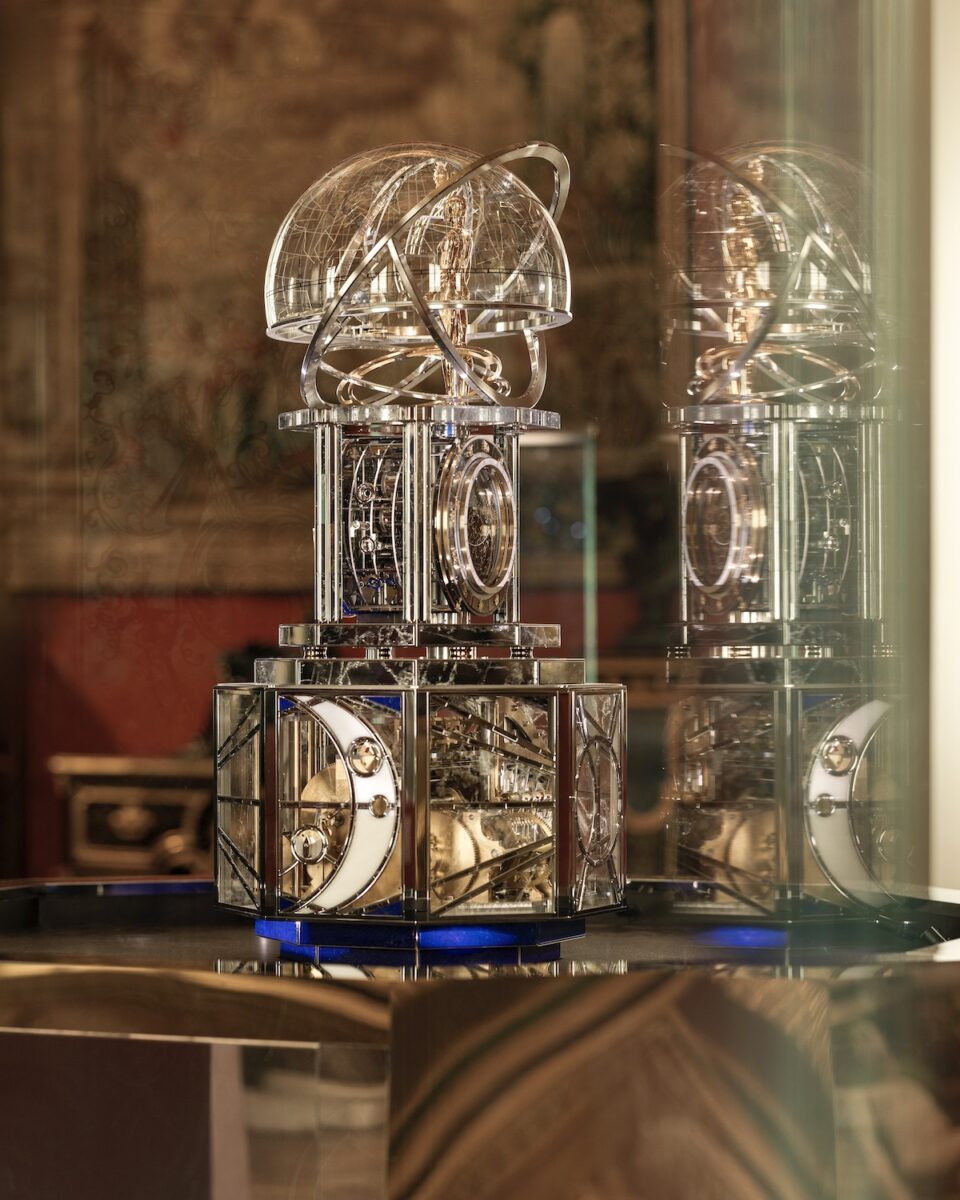
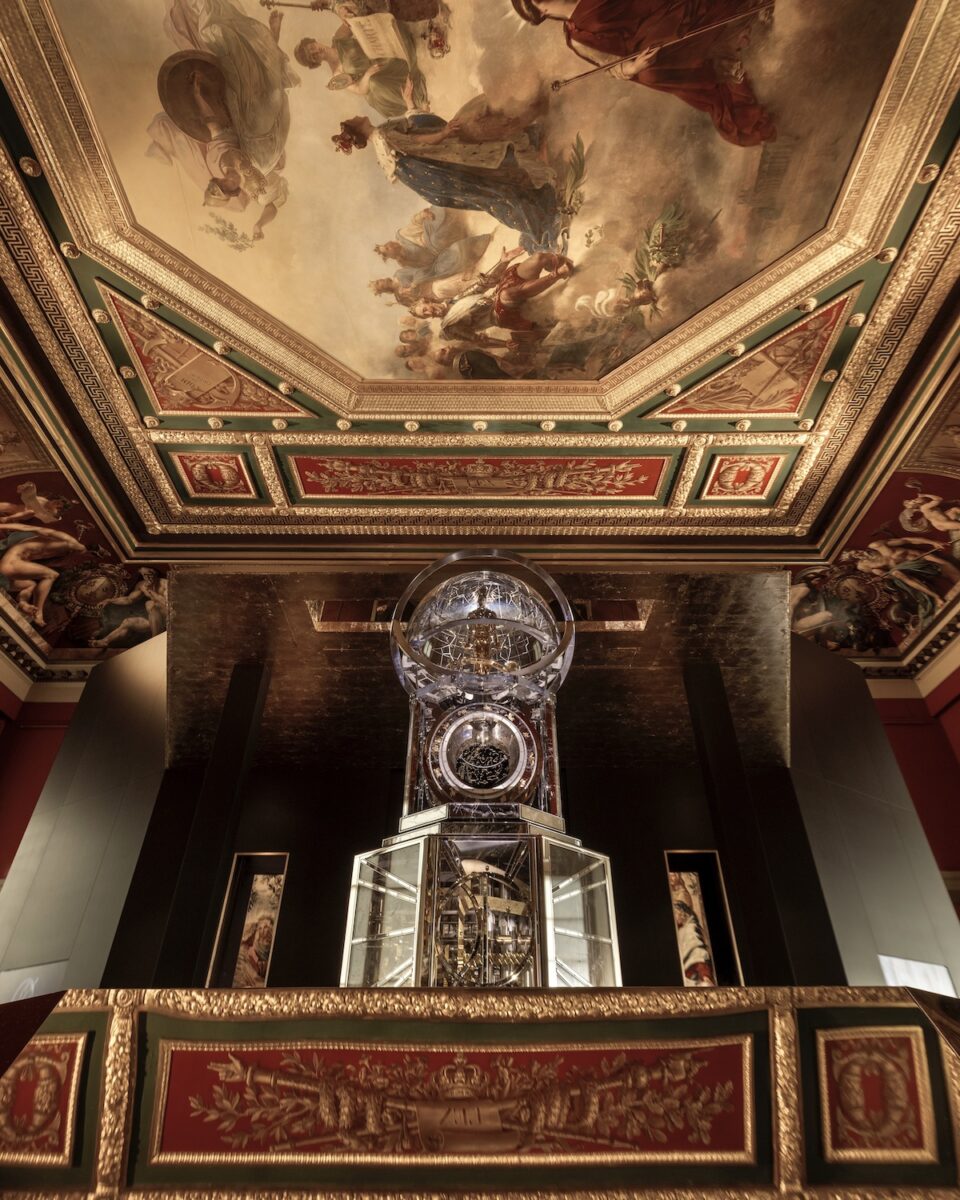
When we arrive, the La Quête du Temps is positioned on a mirror-finished podium that reflects the room’s ornately decorated ceiling. Weighing a jaw-dropping 250 kilograms, and standing taller than six feet high in the centre of the exhibition space (find the technical details here), it’s as imposing as it is impressive. Fittingly, the only thing in the room standing taller was Hyacinthe Rigaud’s famously towering portrait of Louis XIV – resplendent in coronation robes, looking down on us from above.
I’ve been lucky enough to see a few complicated antique clocks in the metal, crafted by household names and hewn from just about every precious material under the sun. But La Quête du Temps is different. Its impact comes not just from its enormous scale, but also its uncompromising intricacy; from the flawless material finishing to the technical complexity, all visible through the slabs of smoky rock crystal that sheath its surface.
To condense its 23 complications into a few sentences, we must break La Quête du Temps into three parts: the base, the astronomical clock, and the automaton that crowns it all.
The automaton performs 144 distinct gestures, powered by 158 cams and tungsten wires, and sits beneath a glass dome etched with a celestial sky chart. The astronomical clock includes a perpetual calendar, three moon-phase indicators, and even tracks sunrises, sunsets, seasons, solstices, and equinoxes. The base, while largely decorative, houses the mechanical systems that drive both the automaton and the musical complications.
While crossing the Tuileries Garden from Le Meurice hotel – once a second home to Salvador Dalí – I was struck by a comment made during a panel discussion earlier that day.
French physicist Christophe Galfard, a former student of Stephen Hawking, put it simply: “We don’t need to compare the precision of atomic clocks to pieces of art like La Quête du Temps, because they both tell us a story that links us with time.”
His words echoed again as I stood before the piece. “With La Quête du Temps, you have history, heritage, progress in handicrafts, and understandings of beauty, all of which we’ve shared throughout the centuries. When that all comes together, it creates an object that not only tells time, but also one that transcends it,” said Galfard.
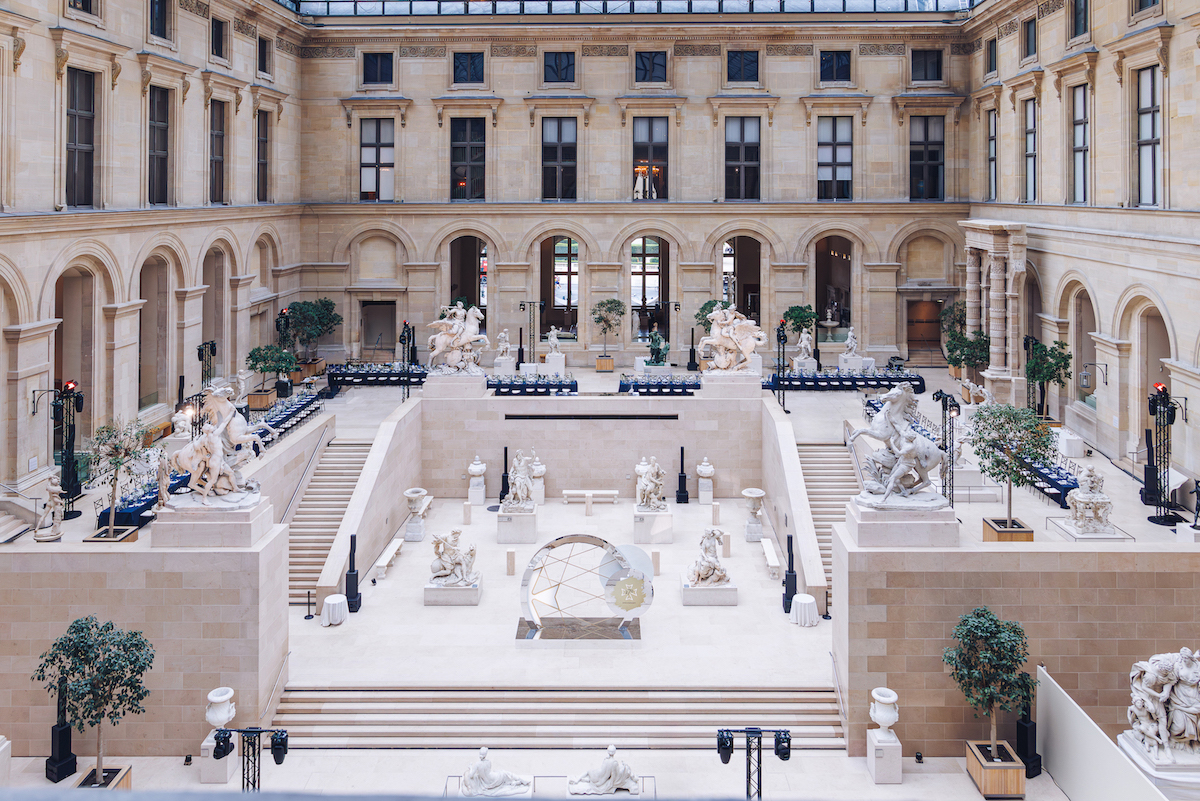
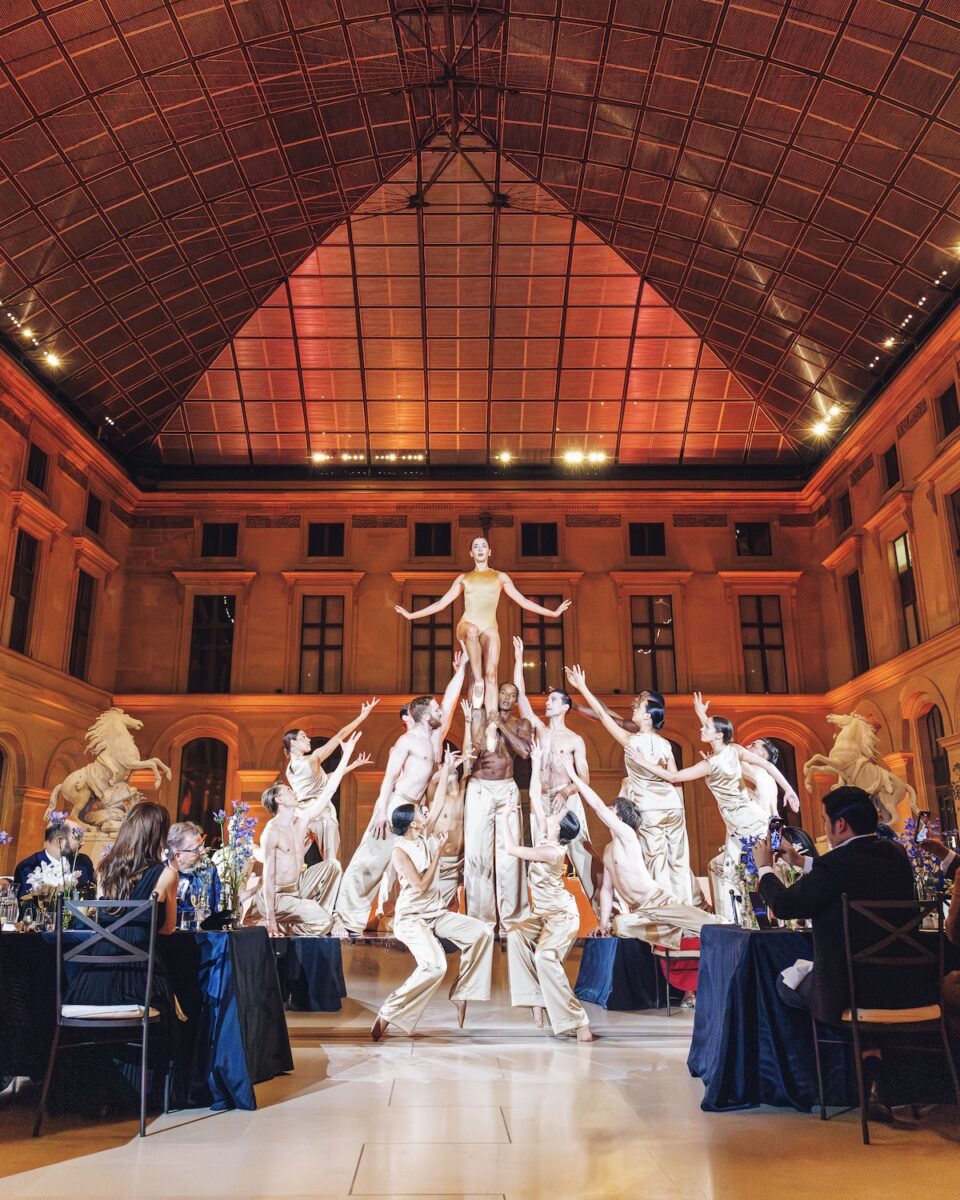
Our time at the Louvre doesn’t end with the tour – it continues with a dinner set among the museum’s art-filled halls, marking the first time a brand has convinced management to host a private event inside one of the revered sculpture galleries.
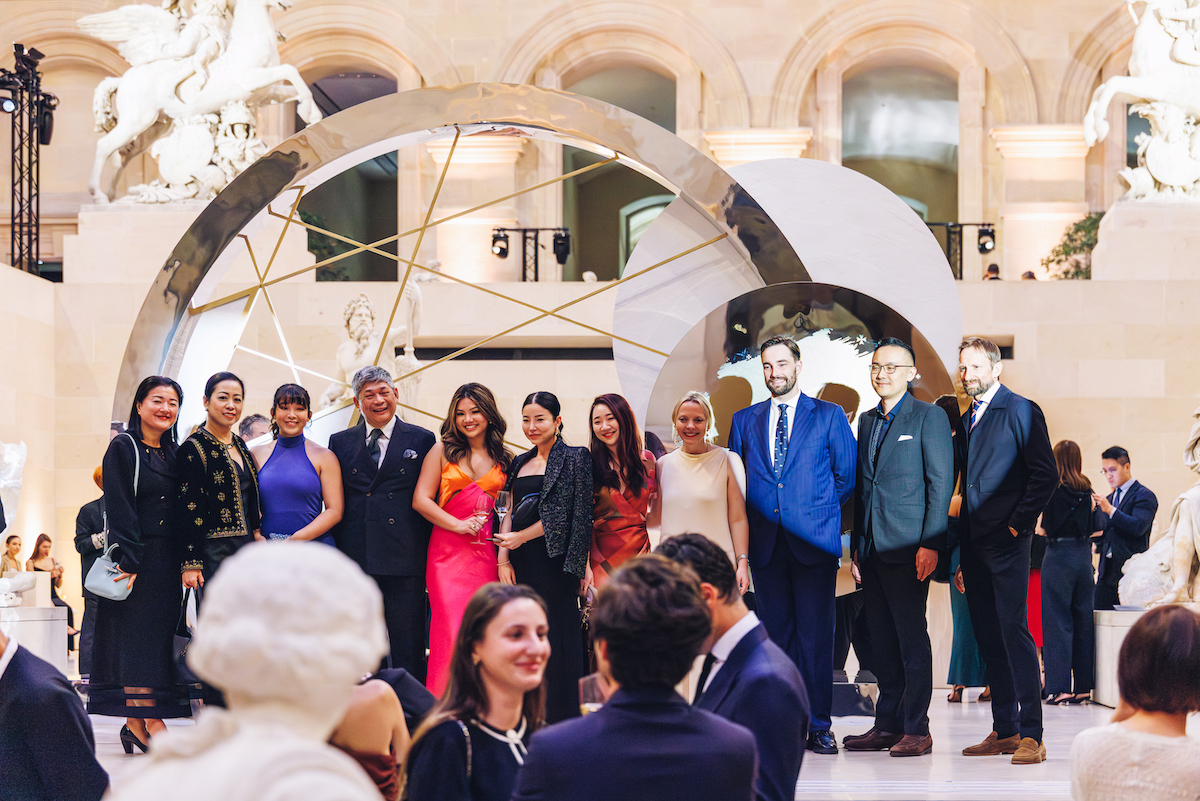
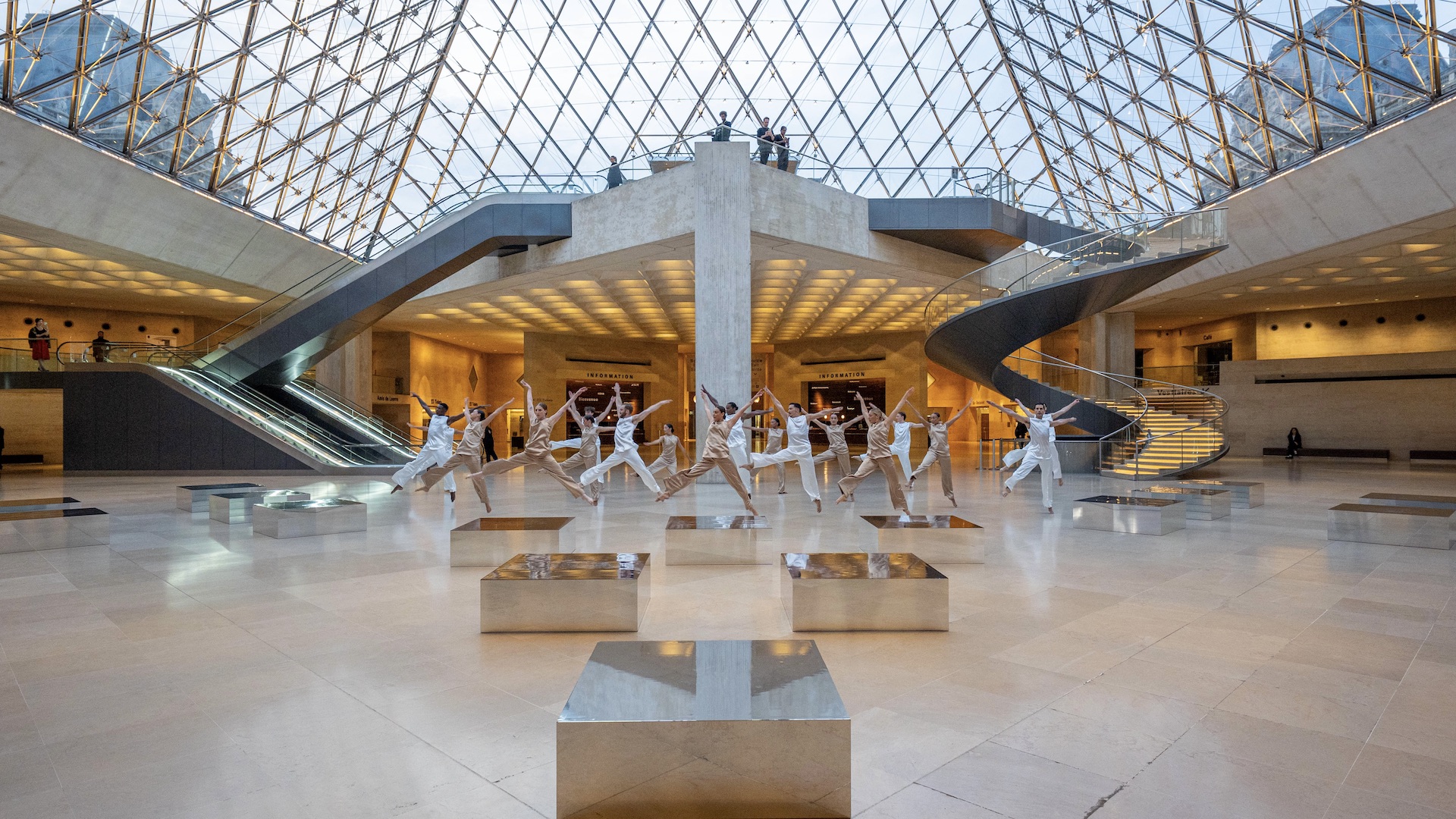
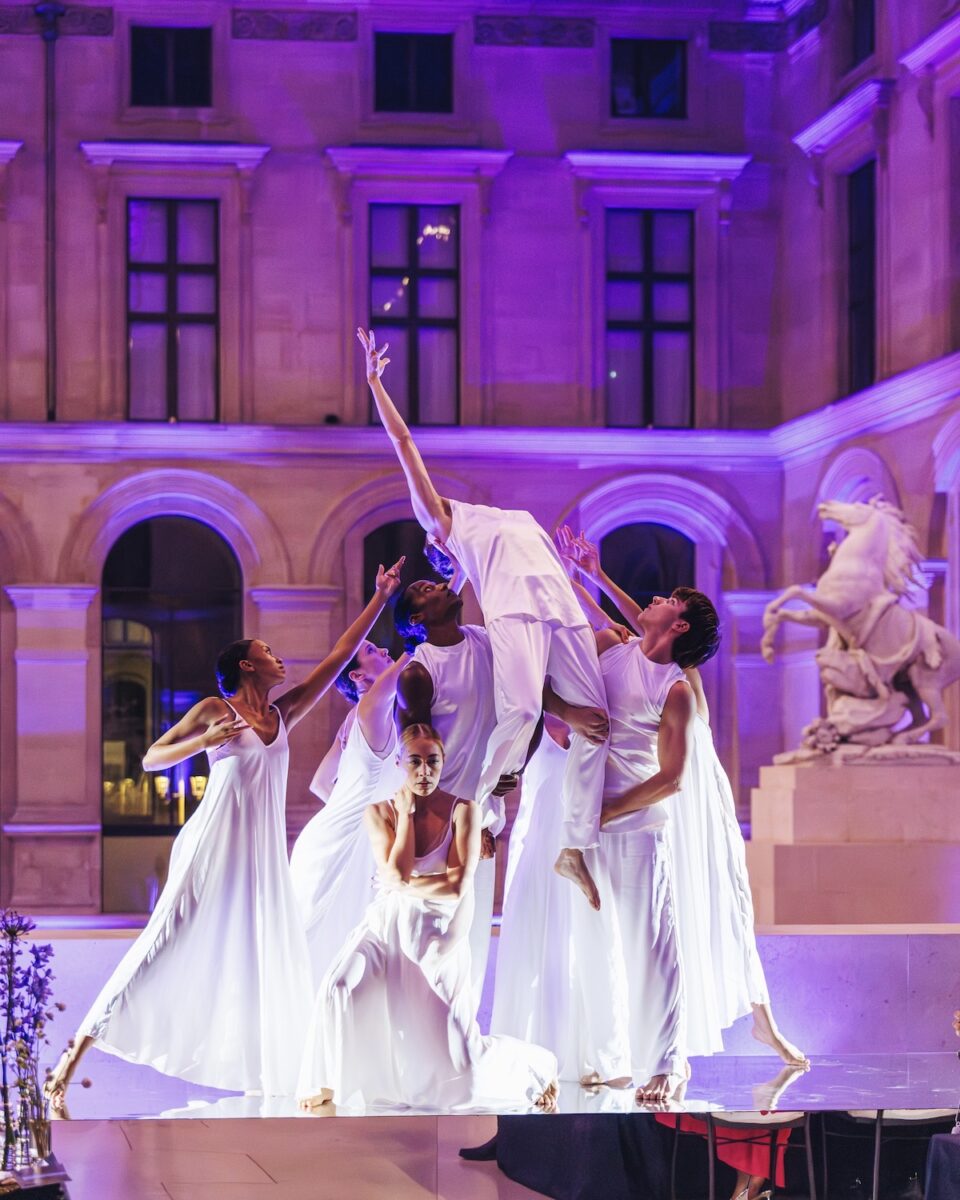
After more than a few Bollingers – and a private performance beneath I.M. Pei’s iconic glass pyramid – we’re led into the Richelieu Wing’s sculpture gallery for cocktails, then ushered to our seats and handed a “Star Certificate” complete with the coordinates of a distant star, which Vacheron Constantin gifts each guest the naming rights to.
After the main course, the dancers return for a spectacular finale, as we finish our meals and gradually make our way back to the Louvre’s entrance. It’s another pinch-me moment: wandering beneath the pyramid, now transformed into a sculptural window to the stars; offering a nod of thanks to the security guards at the top of the escalator; and emerging into a crisp Paris night, having just experienced the most unforgettable meal of my life.
Throughout the evening, my mind keeps returning to an idea Christian Selmoni, Vacheron Constantin’s Heritage Director, shared with our group earlier, that very few objects created in the 21st century will still function one or two hundred years from now. The point lands even harder in context: in a world built on planned obsolescence, it’s rare to see something deliberately designed to last for centuries.
As the world’s oldest continuously operating watch manufacturer, La Quête du Temps feels like a physical mission statement for Vacheron Constantin – one reaffirmed for the next 270 years. It isn’t a commercial project (though it could easily command an eight-figure CHF sum if it were ever for sale); its raison d’être is simply: “Because we can”.
There’s no doubt Vacheron Constantin is cementing its status as the maker of the world’s most complicated watches. Between its record-breaking creations, the Les Cabinotiers department crafting unique pieces for VIP clients, and archive- inspired revivals like the integrated-bracelet Historiques 222, this is a watchmaker firing on all cylinders.
In 2025, it celebrates 270 uninterrupted years of production – and if my experience is anything to go by, Vacheron is well-positioned for another three centuries of success.