

- Middle East airspace closures are causing thousands of flight cancellations, forcing Australians to rethink European travel.
- Singapore, Hong Kong, Bangkok, Seoul, China, Kuala Lumpur, and the US offer alternative routes, each with unique pros and cons.
- Expect higher fares and longer travel times, but reliability and access to frequent flyer perks can make these detours worthwhile.
By now, we would have all seen the news. The ongoing conflict in the Middle East has seen thousands of flights either rerouted, turned around mid-flight, or just outright cancelled – as was the case with my upcoming trip to Geneva.
Australian travellers, who rely heavily on Middle Eastern mega-hubs like Dubai, Doha and Abu Dhabi for European travel (all of which have faced rolling closures, restrictions, and even missile threats), have been left stranded as entire networks have essentially become paralysed with little to no notice. It's left us all with a logistical headache.
So how the hell can we fly to Europe in the coming months?
Of course, there are alternative destinations closer to home to consider, each with its own inherent charm and culture. But if you simply can't bring yourself to replace the real thing, there are still plenty of alternative flight routes you can reach Europe's gilded hotspots via, which thankfully, don't come with any of the Middle East headache.
So here’s how to reach Europe from Australia without rolling the dice through Abu Dhabi, Dubai, Doha or Riyadh.
Singapore

If you want the closest thing to “business as usual,” the most reliable fallback hub is undoubtedly via Singapore.
Qantas has confirmed that there are no impacts to Qantas-operated flights, including services between Singapore and London, amid the ongoing Middle East conflict.
Similarly, Singapore’s national carrier, Singapore Airlines, has posted some cancellations, but the disruptions have been minimal compared with Gulf carriers, meaning its strong network of connections into London, Paris, Frankfurt, and Zurich, Singapore offers Australians a stable, high-frequency route to Europe.
It’s also worth noting that Singapore layovers are generally shorter than most other alternatives, meaning you spend less time in transit and more time on the ground. Or better yet, enjoy one of the world’s most celebrated airports, Changi, where you'll find indoor gardens, a butterfly sanctuary, world-class dining, art installations, and even a rooftop pool.
Naturally, when stopping over to stretch your legs, you'll want to be wheels up sooner rather than later, and onto your final destination. Though Changi turns what would normally be hours of misspent downtime into a mini excursion in itself.
For European travel, you could certainly do worse than Singapore, giving Australian jet-setters the convenience of normalcy within a tumultuous geo-political landscape.
Flights right now aren’t cheap, of course. You’re looking at well over $5,000 for a one-way economy ticket, a significant jump compared with the prices I saw for Sydney-Singapore-London flights around Christmas.
But as travellers avoid the Middle East and Gulf hubs, airlines are forced to adjust capacity; jet fuel costs are high; and schedules are tighter, all of which push fares up. Ultimately, if you’re planning a trip from Australia to Europe in the coming months, expect to pay a premium no matter which transit hub you choose.
Singapore, Hong Kong, Tokyo, or even long-haul detours via the United States will all come with inflated prices compared to pre-conflict levels. The reality is that supply can’t keep up with demand right now, so while Singapore offers reliability and shorter layovers, it’s also one of the most expensive options simply because everyone else is thinking the same thing.
Hong Kong

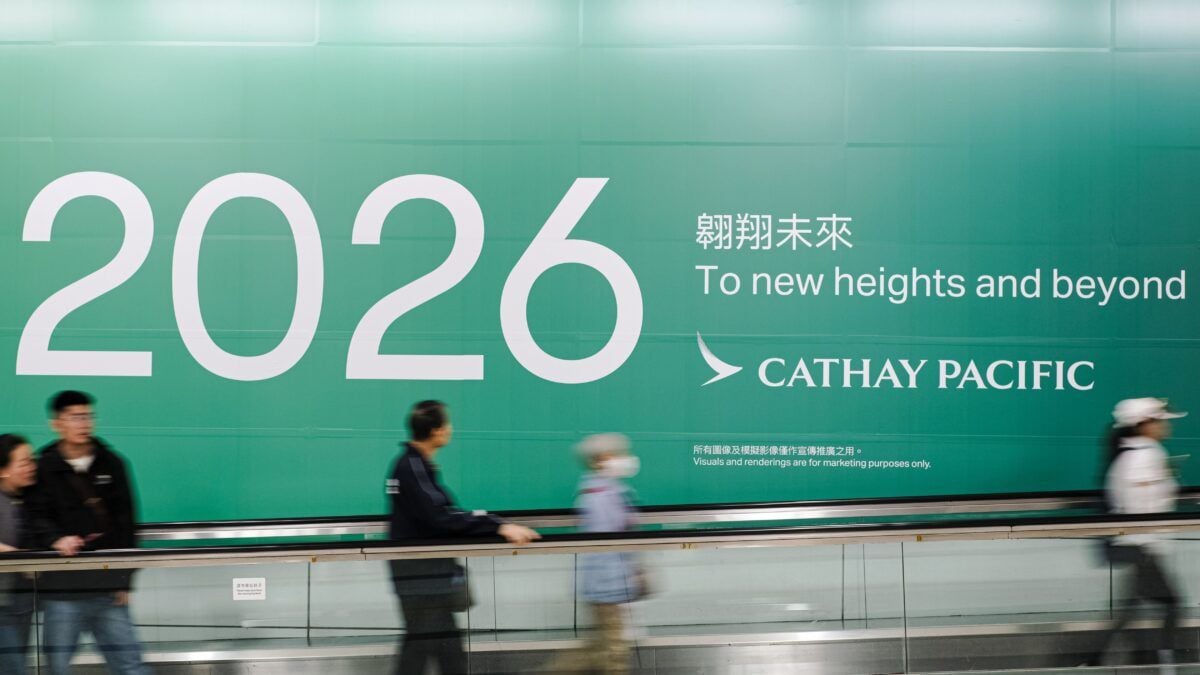
Hong Kong will always be my preferred route to Europe, and I fly back to London at least twice a year. Flights from Sydney to Hong Kong clock in at around nine hours, with onward connections to Europe taking roughly 13 hours depending on the route and conditions.
For me, it’s all about points and perks – a flight from Sydney to London via Hong Kong earns a solid chunk of Frequent Flyer Points with Cathay Pacific and the broader oneworld Alliance network. Those points can be redeemed for upgrades, lounge access, or even flights with partner airlines like British Airways.
During the ongoing Middle East conflict, too, Hong Kong feels completely removed from the chaos affecting Gulf transfers; a rare sense of stability for Australians trying to reach Europe. But only if you're willing to pay for it.
Cathay has removed economy options to London via Hong Kong in April, leaving only Business Class, and prices are eye-watering to say the least. Tickets are averaging around AU$11,000, with some routes, particularly mid-April departures, listed as high as AU$39,500 for a return in a mixed cabin.
That fare can include a stint in economy on the Australian leg while upgrading some European legs to first, making it easily the most expensive Business Class route I’ve ever seen outside of a last-minute first-class booking.
Still, for those who value reliability, points, and avoiding the Gulf, Hong Kong offers a stable, high-quality alternative, even if it comes at a premium. For many Australians, I think it's a trade-off they're willing to make.
Bangkok
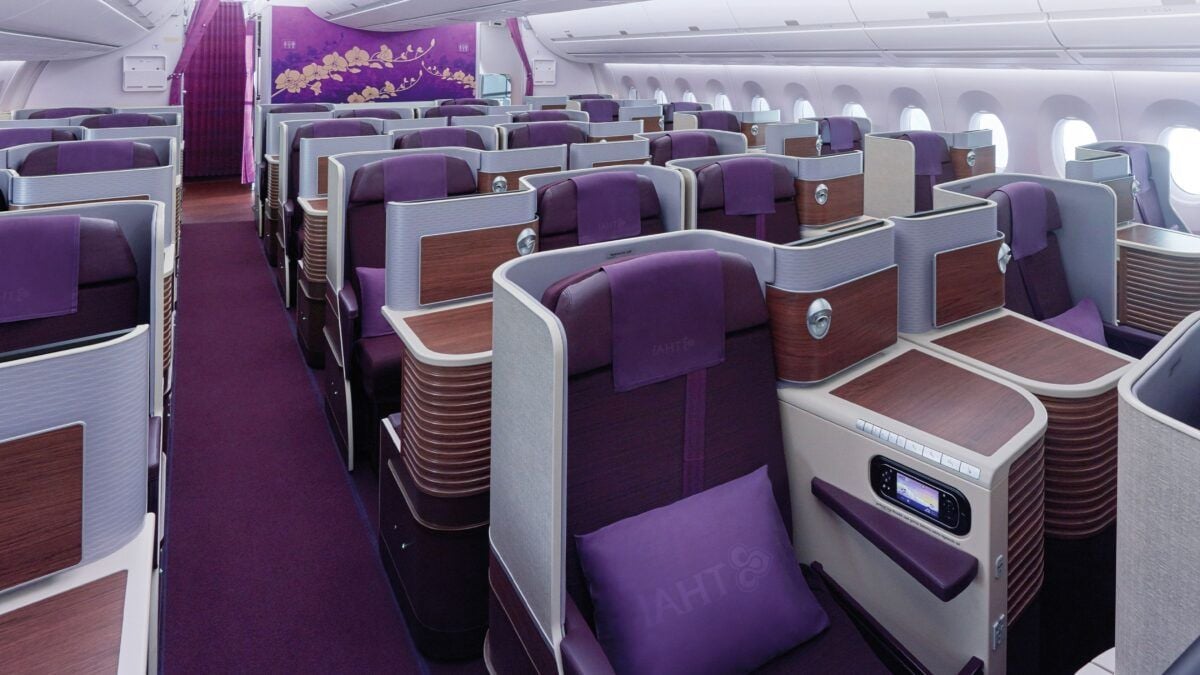
Bangkok remains a more flexible alternative for Australians looking to get through Asia into Europe, with frequent flights to London and Paris through the national carrier, Thai Airways.
For my upcoming April trip to Watches & Wonders in Geneva, I’ve been forced to reroute, opting for Thai Airways via Bangkok, connecting onward through Istanbul. On paper, it’s a slightly long-winded route, but the total flight time clocks in at around 22.5 hours, which is actually very reasonable... even outside of the current conflict.
According to Skytrax, Thai Airways is a 4-star airline, with all the comforts and amenities that you would come to expect from long-haul travel, with passengers frequently saying that the staff are among the best in the world.
Flying through Bangkok is pretty straightforward, too. Compared with global hubs like Doha and Dubai, Suvarnabhumi (BKK) feels more relaxed, even during peak hours. Which will only be advantageous as this conflict endures and more and more people reschedule their travel.
Seoul
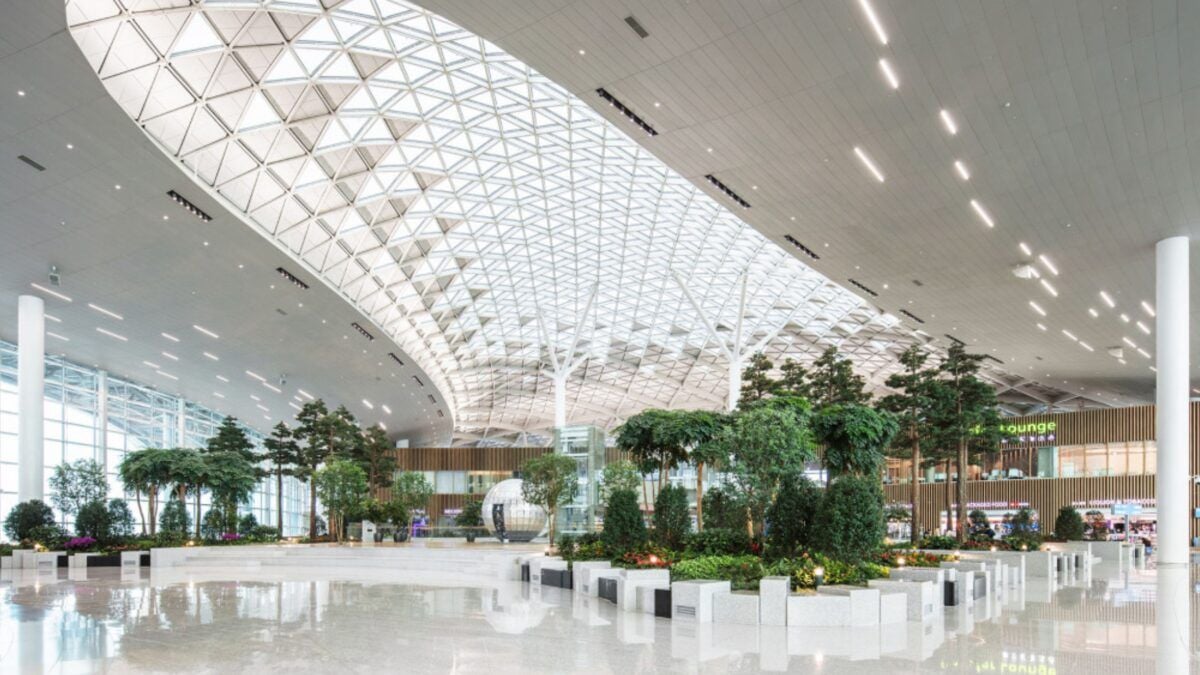
Seoul is increasingly becoming a solid alternative for Australians aiming to reach Europe without going through the Middle East, with outbound flights to Seoul coming in at around 10.5 hours, with onward connections to major European cities adding another 11 hours or so, depending on the carrier and layover. It's on par with Bangkok and only slightly longer than Singapore or Hong Kong.
Airlines like Korean Air and Asiana Airlines operate these routes reliably, but travellers looking to get any perks beyond that won't benefit from shared points as they're not part of a wider network like the oneworld Alliance.
Having said that, Incheon International Airport is world-class, with efficient transfers, spacious terminals, excellent lounges, and plenty of dining and shopping options. It’s a comfortable hub for layovers, though travellers who prioritise loyalty benefits or seamless frequent-flyer perks will likely still prefer Singapore or Hong Kong.
Guangzhou

I flew China Southern economy on my last trip to London, and I’ll admit, I booked about three weeks before takeoff, so my options were extremely limited.
For a first-time experience, though, I was pleasantly surprised. The in-flight entertainment was modest – literally only 20-odd English-language movies across the whole catalogue – but they had The Hobbit and The Lord of the Rings trilogy, so I wasn’t too fussed about missing the latest Marvel offerings.
Transferring through Guangzhou Baiyun International Airport (CAN) was quick and painless. The terminal has comfortable leather recliners near the gates, a good selection of cafes, and plenty of food options. With four meals served on my journey (each inevitably ending with ice cream), I wasn’t exactly lining up for a big bowl of noodles, but it was nice to know the choice was there.
That said, flights via China are among the cheapest options currently available for Australians headed to Europe. If your priorities are budget-friendly fares and functional transfers, rather than points or oneworld perks, China remains a practical alternative, especially for those willing to trade a bit of comfort for savings.
Kuala Lumpur
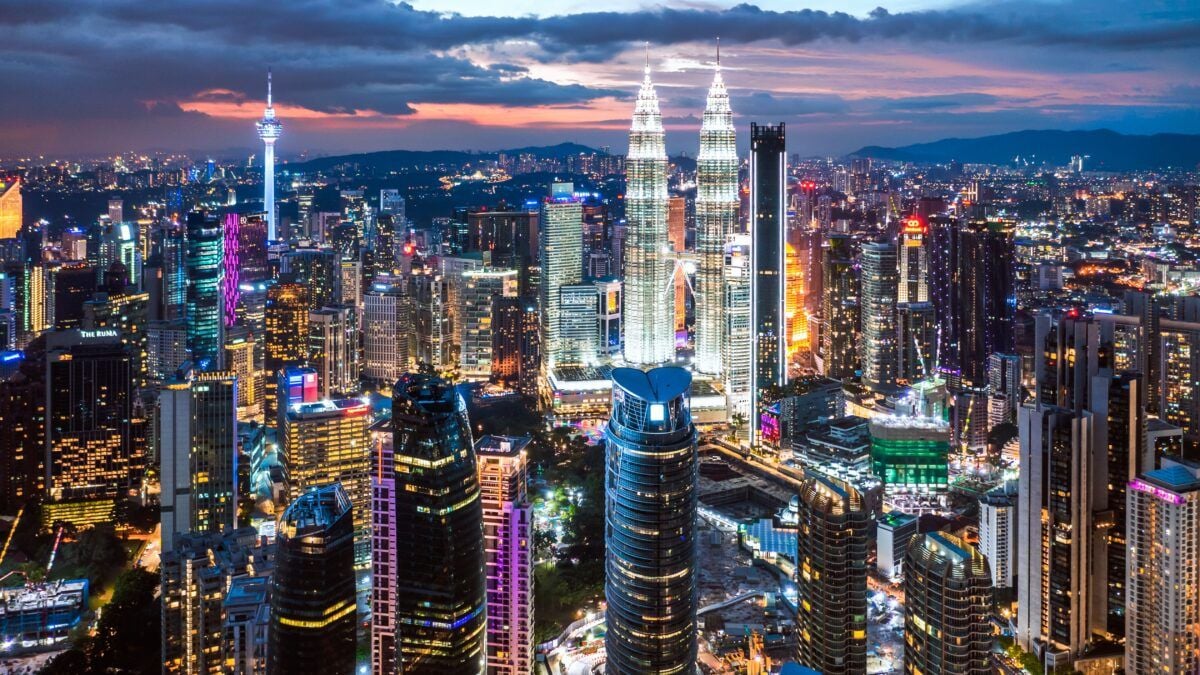
One of the more underrated connectors into Europe, Kuala Lumpur offers Australians a cost-effective route for those willing to be a bit more flexible with timing and layovers.
Depending on the connection, flights across the globe generally come in at around 21-23 hours and tend to be cheaper than Singapore or Hong Kong, especially in economy, making it a solid option for Australians who want to avoid Middle Eastern hubs without breaking the bank.
What's more, Malaysia Airlines is part of the oneworld network, which means Qantas passengers can earn and redeem points on Malaysia Airlines flights and get access to oneworld lounges (like Cathay Pacific, British Airways, and JAL) when flying Business or First.
Los Angeles/Dallas
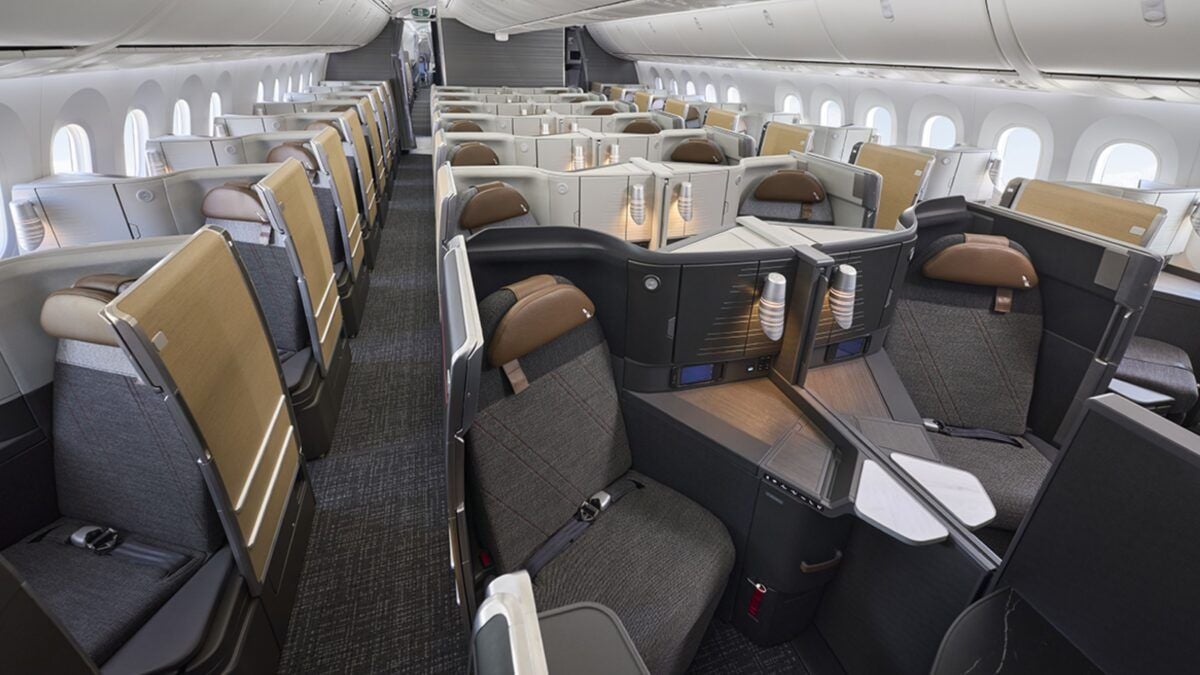
Flying via the United States is undoubtedly the “long way around”, but for Australians looking to avoid the Middle East entirely, it may also be arguably the safest. With the US being a principal actor in the ongoing conflict, transiting through American airspace carries far less risk of sudden closures or missile threats, giving peace of mind if you’re heading to Europe this year.
Recent expansions by major US carriers make this route increasingly viable: Delta, United, American, and Alaska Airlines are all launching new non-stop services from Seattle, Boston, New York, and Philadelphia to key European destinations, including Madrid, Nice, Rome, Barcelona, Porto, Sardinia, Malta, Budapest, Split, and Bari.
As I mentioned, transits through the US are a lot longer than via Asian hubs – typically 24–28 hours from Sydney to Europe via the US. But the safety and reliability of American routes can make the extra hours in the air worthwhile.
If you're flying American, too, Australian travellers can accumulate more points through the oneworld network, adding value to an otherwise long journey. After all, more miles would mean more points. Something to consider.
If you enjoyed this wrap-up of the best alternative flight routes to Europe from the Middle East, you might enjoy Boss Hunting's other travel guides below: