

- Boomers are quietly putting in the most work in Australia, consistently logging higher daily and weekly strain than Gen Z, Millennials, and even Gen X.
- Whether you read it as discipline or bodies demanding more effort, the outcome is clear: Boomers are outworking the rest of us, week after week.
- It has made me rethink my entire outlook.
I’m not quite Gen Z, but I’m certainly not a Boomer. I exist in that ever-so convenient grey zone where I can still claim proximity to a recent youth, while quietly acknowledging that a proper warm-up of at least 15 minutes is as non-negotiable as a bottle of water and a towel.
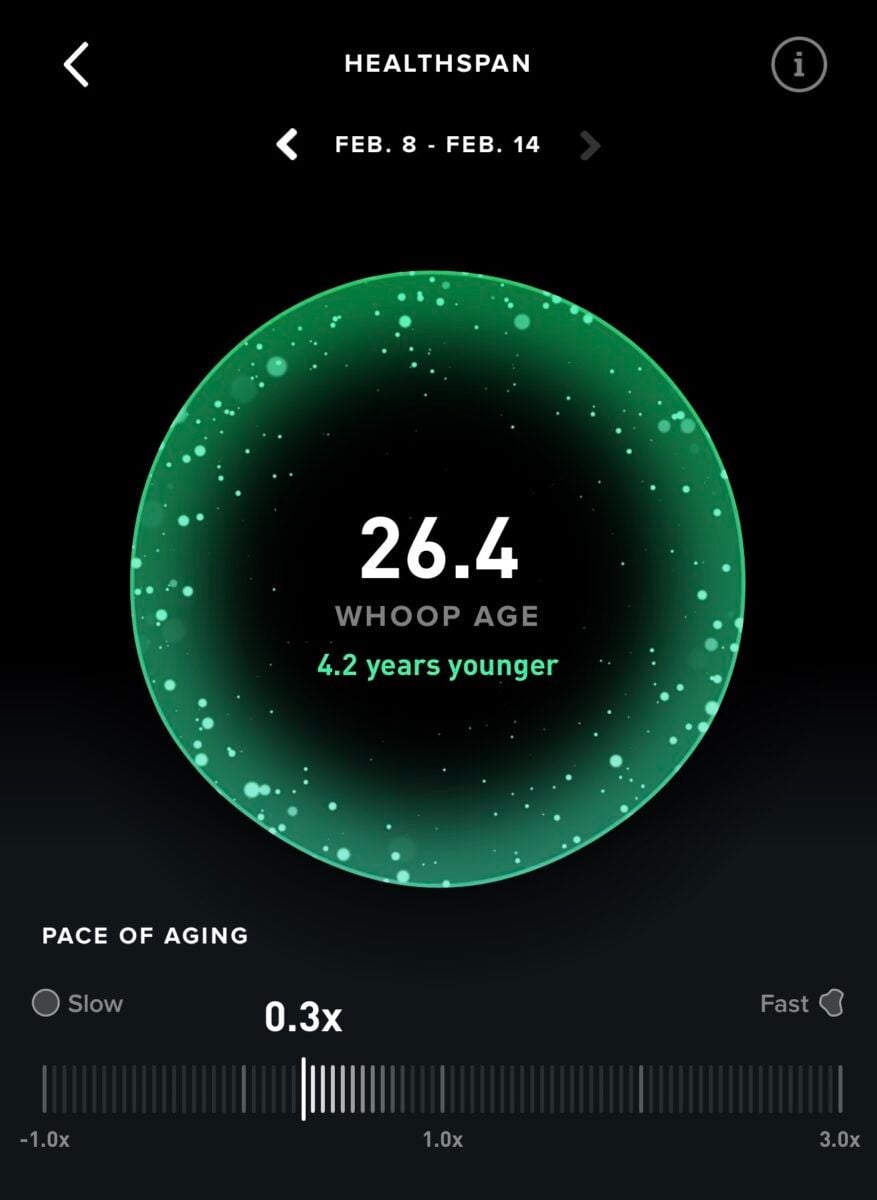
Call it Zillennial, call it denial. Either way, according to WHOOP's health score, I’m still sitting pretty at 26 years old – four years younger than my biological age. So I've always safely assumed that I'd belong to the WHOOP group, which consistently pushes the hardest.
As a result, I was quite literally taken aback when the WHOOP data I requested returned something remarkable.
When you strip back the exercise narratives we’ve all collectively bought into, that fitness culture starts with the 6 AM run clubs, the ice baths on Bondi Beach, and the hyper-optimised morning routines, the group actually doing the most work in Australia right now isn’t the one posting about it.
It’s the Boomers. And it's not even close.
RELATED: So You’ve Signed Up For A HYROX: How Should You Be Training?
For years, the assumption has been simple: the younger you are, the fitter you are. At least, that's the metric I use to support my own inflated ego.
But according to WHOOP data, Boomers are returning the highest strain of any generation across Australia. They're the ones showing up repeatedly, week in, week out, across average daily strain, cumulative weekly load, and the frequency of genuinely demanding sessions, sitting comfortably ahead of everyone else.
You can picture it easily enough: the early alarms, cold water at Bondi, a no-fuss 5K before the first call of the day. I can see Boomers – certainly Australian Boomers – subscribing to this idea of exercise, in a way that feels almost like an inherent part of their life.
They train because that’s what you do, and they do it again the next day. We all know a few people like that, which makes it tempting to accept that version of the story outright.
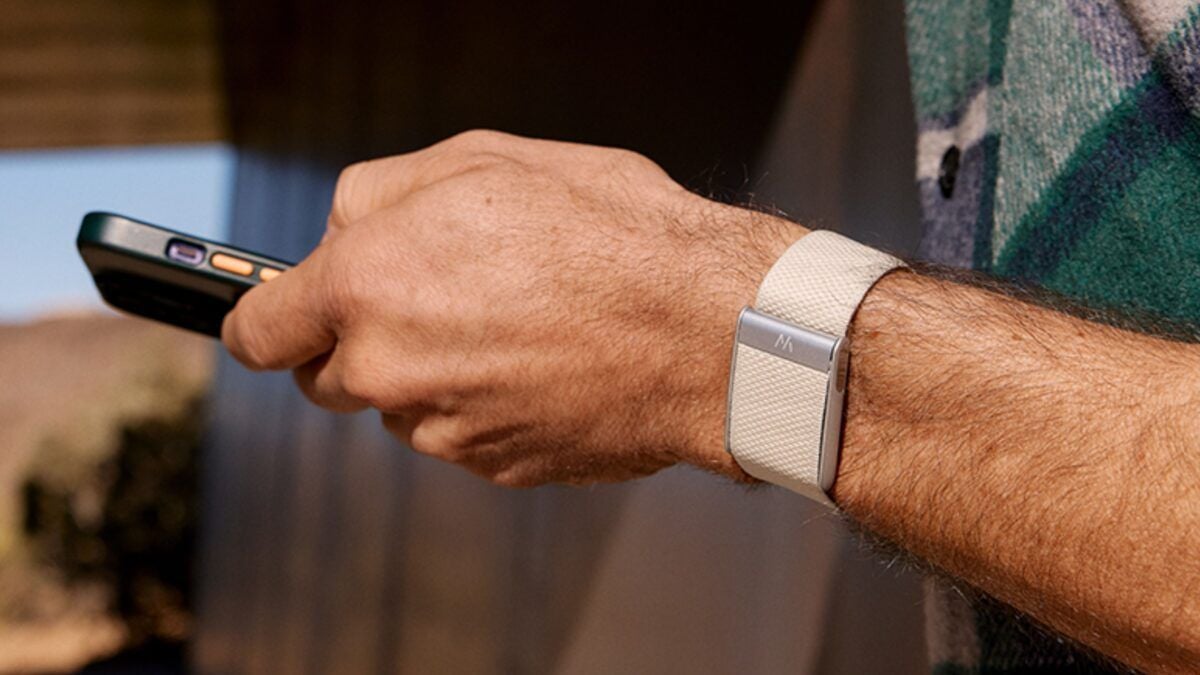
But there’s another, slightly less flattering interpretation sitting in the same dataset. Strain, after all, isn’t subjective. It’s a physiological response. And, unfortunately for us all, physiology changes as we get older. It's why more and more blokes are turning to supplements to keep up with the rigour of the day. And why we're all turning to high-tech wearables to interpret our strain.
How I'm reading this is that the same session that barely registers for someone in their twenties can demand a very different level of output from someone decades further along. Accumulated wear and tear, slower recovery, a higher baseline cost for effort, it all pushes that all-important strain metric higher and higher.
Viewed through that lens, the data starts to read more like a reflection of miles on the clock. Sure, the work is still being done, but the internal price is higher. Sorry, Boomers.
Even if you take the most cynical view (that I'm almost instantly regretting putting forward for fear of a barrage of messages from retired gym rats with lots of time on their hands), the consistency in their collective WHOOP output remains across the board.

Boomers are still logging more high-strain days. They are still finishing the week with a greater cumulative load. They are still, by any definition, outworking the rest of us. It's all there, plain to see.
Gen Z, for example, clearly has no issue with intensity. According to the data, this generation has a higher average strain (7.04) per strength session compared to any other. What’s missing, however, is the same level of repetition. Gen Z spikes into high intensity, working incredibly hard once, and then skips the next few days. Boomers sustain it week after week.
From where I’m sitting, then, somewhere between optimism and mild physical decline, that leaves two equally valid conclusions. Either Boomers have quietly solved the consistency problem, while the rest of us are more interested in how the IG grid looks after each session, or their bodies simply require more effort per session. Both interpretations hold up. Neither really lets anyone else off the hook.
Regardless of how you choose to explain it, the outcome still puts Boomers at the top of the pyramid for average weekly strain (68.98), followed by Gen X (62.72), Gen Z (61.6), and Millennials (60.72). Boomers are doing more work, more often, and over any meaningful stretch of time, which still counts for more than the occasional heroic effort.
It might be time to accept the slightly annoying possibility that the generation we tend to joke about is quietly putting together better training weeks than the rest of us.
Draw the bath; I’ll get the ice. See you at sunrise. It's time to pump those rookie numbers up.