

There's a fairly simple reason I eventually ditched my last smartwatch – which, for the sake of this article, will remain nameless. It was, by any reasonable measure, enormous; a thick, ambitious slab of technology that sat on the wrist like an architectural behemoth. And I hated to wear it.
To its credit, it delivered on most of what it promised. Calls, texts, maps, notifications – all present and accounted for, though in time I came to realise that my phone was perfectly capable of handling all of those things without the added bulk on my wrist. My sleep scores, meanwhile, were coming from my WHOOP, so that particular selling point had long since lost its appeal.
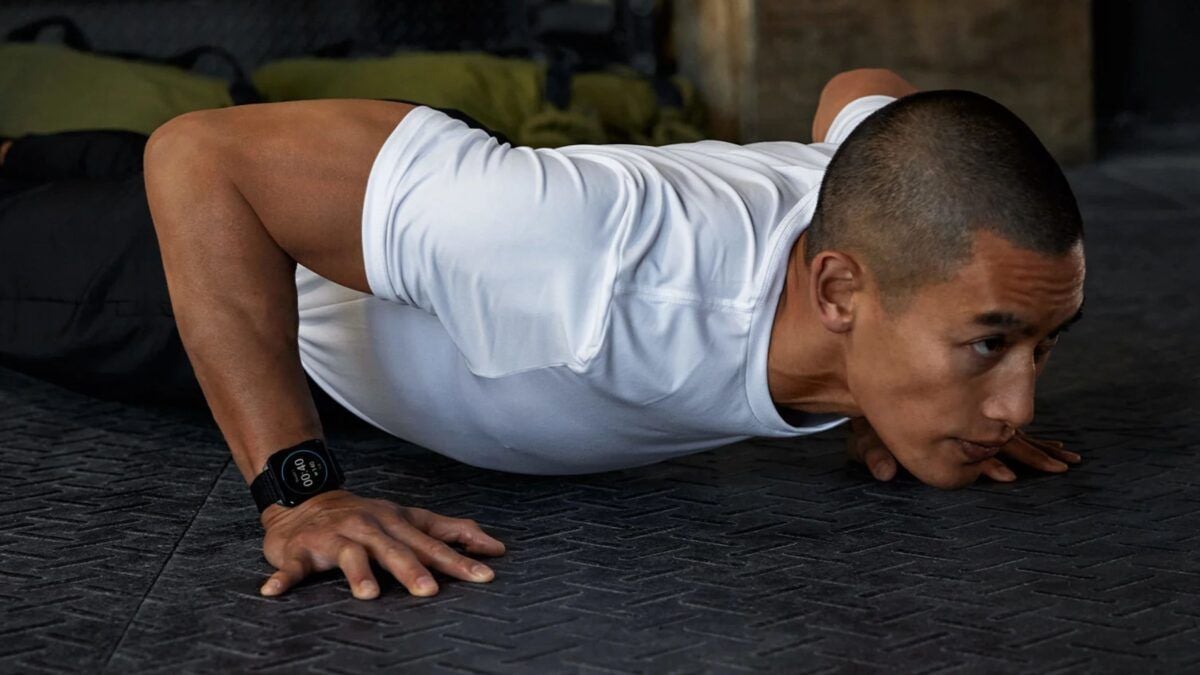
If I'm being honest, the only thread keeping that old watch in my life was the ability to check my pace in real time during a run. I liked to know, in the moment, whether I was on track to hit a target time. But eventually, even that single justification wasn't enough to outweigh the discomfort of wearing something so physically imposing day after day.
So off it came. And what followed was a stretch of months that I told myself (and anyone who would listen) was a conscious return to the purest form of running. That with each passing step through Centennial Park, I was chasing the uncomplicated analogue joy that had drawn me to the sport in the first place. I deleted my Strava account in a quiet, unwitnessed ceremony, completed what felt like a symbolic offline lap, and spent a good while pretending that the absence of data was liberating rather than simply inconvenient.
It was, of course, a barefaced lie. So after enough time had passed, I was ready to acknowledge that I wanted to be back in the real world, tracking my efforts and measuring my progress, but doing so with a watch that actually suited the way I live and train. If I'm being honest, the all-new Garmin Venu X1 came just in time.
Garmin Venu X1 Design: Finally, a Watch You Forget You’re Wearing
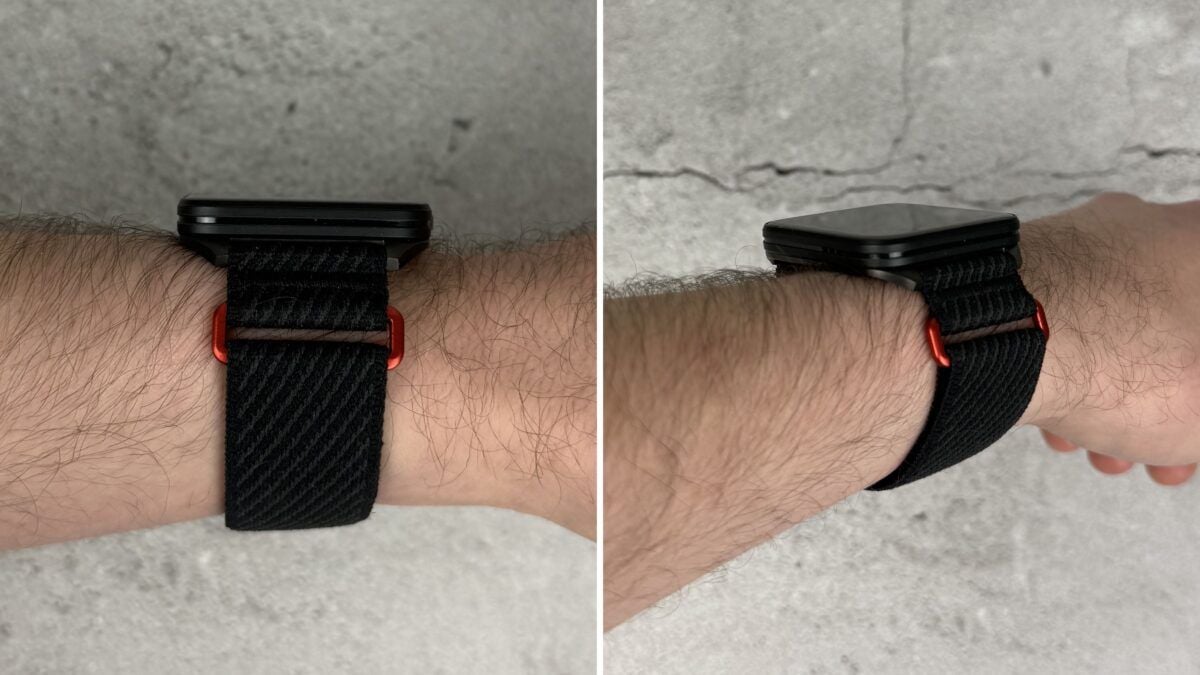
The Garmin Venu X1 arrives as the brand's thinnest watch case to date, and the difference is something you register almost immediately upon putting it on. Its lightweight titanium build settles against the wrist well, unimposing enough, but still pretty substantial for any day-to-day demands.
The ComfortFit nylon band follows the natural contours of the wrist closely enough, and it stays secure throughout a run without the kind of pressure or friction that accumulates over longer distances. Even the 2" AMOLED display, which is Garmin's largest to date, remains vivid and easy to read in a range of lighting conditions, and somehow manages not to overwhelm the overall profile of the watch.
Advanced Running Dynamics That Actually Change How You Train
When the Garmin Venu X1 unit arrived, the accompanying material described the Venu X1 as being like having a trainer on your wrist.
It's the same jaded jargon that immediately makes me want to politely decline any follow-up. But after using the unit for the last month, I'm left with a considerably more generous view of that description than I started with.
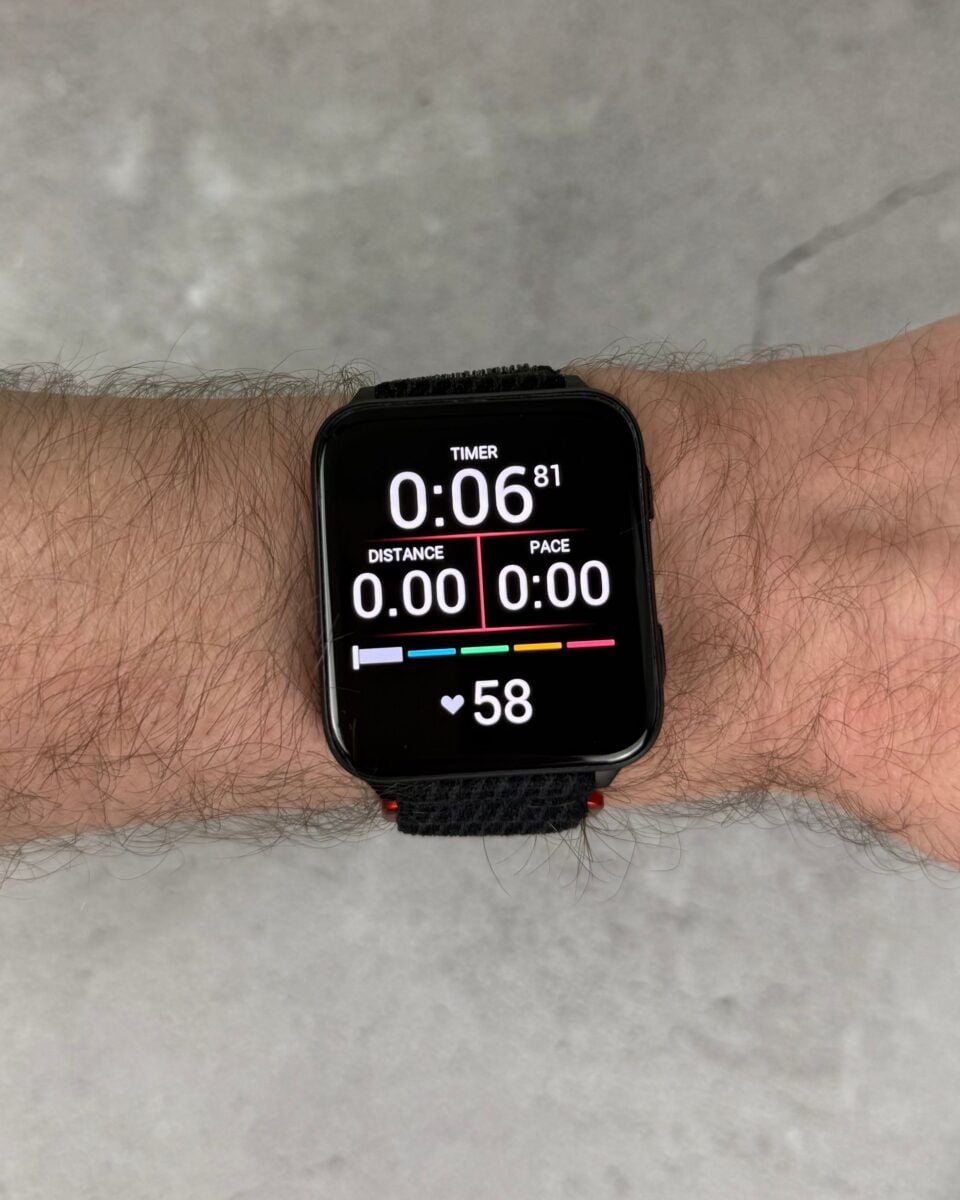
The Advanced Running Dynamics feature is a meaningful part of why. Rather than reducing a run to a simple question of whether you covered the distance at the intended pace, which is exactly the type of runner I was (and probably still am), the wrist-based metrics that track cadence, stride length, ground contact time, and vertical oscillation (how much you shift vertically while running) offer a genuinely detailed picture of how you're moving.
All of this arrives without the need for any additional accessories, which makes it accessible in a way that some of the more granular running tools on the market simply aren't.
Understanding the mechanics of your running form in real time, rather than reviewing it after the fact, feels increasingly valuable the longer you spend with it. I'll admit, it's something I'm still getting my head around, but it's already changed the way I approach my running.
Garmin Venu X1 Gives You Real-Time Insights Without Extra Accessories
Now, I've been running for around six years, and while I've improved year on year, that improvement has come through no particular strategy or structure. My approach has always been a straightforward one: lace up, head out, run until the body suggests it's time to stop.
Admittedly, there's a ceiling to it, and I've long suspected that I was vertically oscillating up against mine without any real clarity on where it sat or how to move beyond it.
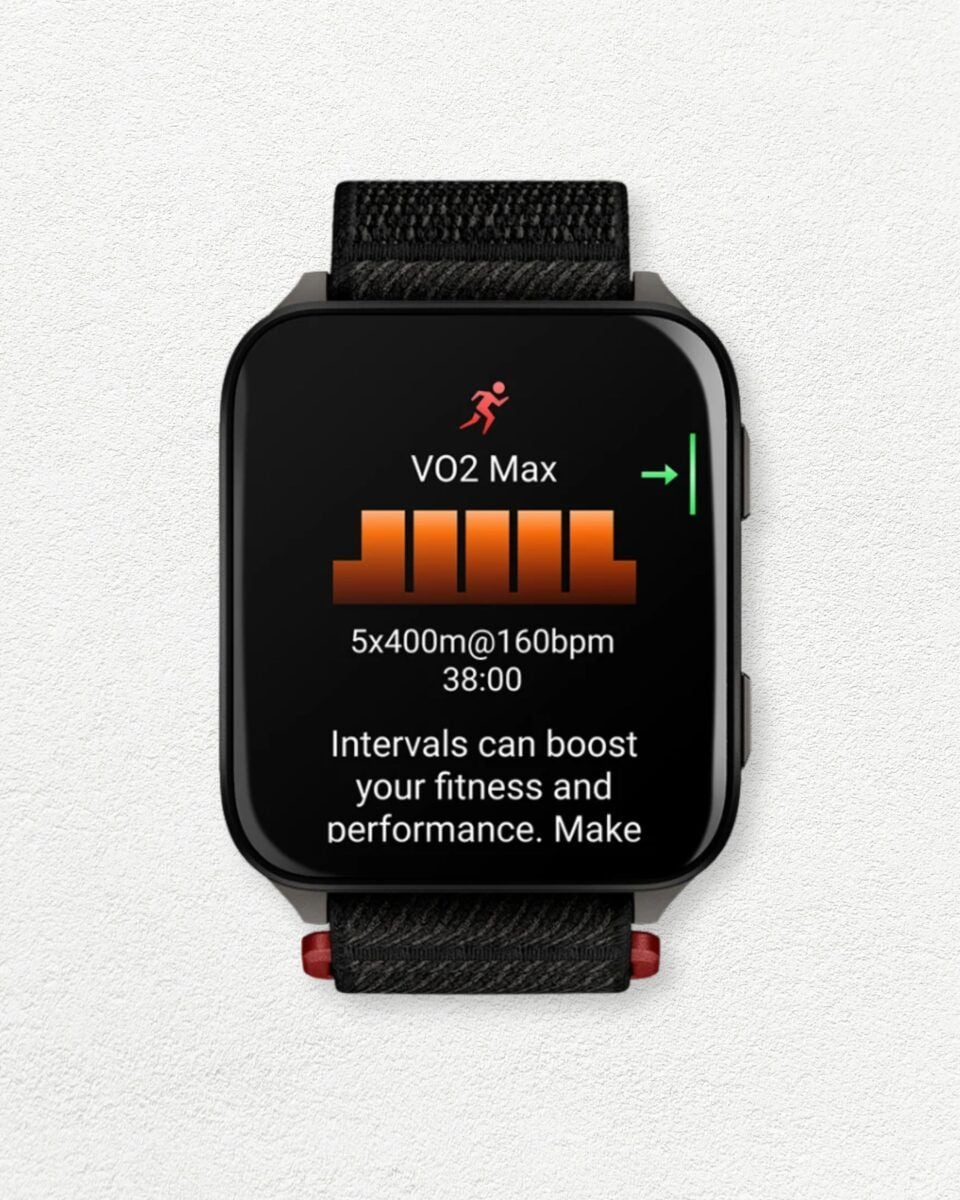
So using the VO2 Max and Endurance Score tracking on the new Garmin Venu X1, particularly for someone with my particular relationship to running, has probably been the most quietly significant feature of the past month.
It gives you a single endurance score that draws from all forms of cross-training, and updates meaningfully over time for a more coherent, evolving record of whether the work you're putting in is actually worth the effort. It's certainly a more tangible way of tracking my progress beyond the simplicity of a Strava entry.
Training Readiness and Body Battery: Useful, Slightly Addictive
The Training Readiness score operates in a similar spirit, though it works on a much shorter time horizon. Each morning, the watch takes a look at the previous night's sleep quality and measures it against your recent training load and recovery data to produce a single score that tells you, with reasonable confidence, how prepared your body is for effort that day.
Now, I should say, this is something I already get from my WHOOP, and something, I should also say, I have become increasingly addicted to as I've spent more time with wearable tech.
That little number on my screen each morning, whether it's green, yellow, or red, largely informs the rest of my day.
Of course, the score aligned with how I actually felt on a given run: on the mornings when it told me to take it easy, I was hitting higher heart rates more quickly, and on the mornings when it asked me for a big effort, I found I was able to grind out a better performance. So it's not entirely misplaced. But I do find myself lazily slumping back onto the couch on a bad day.
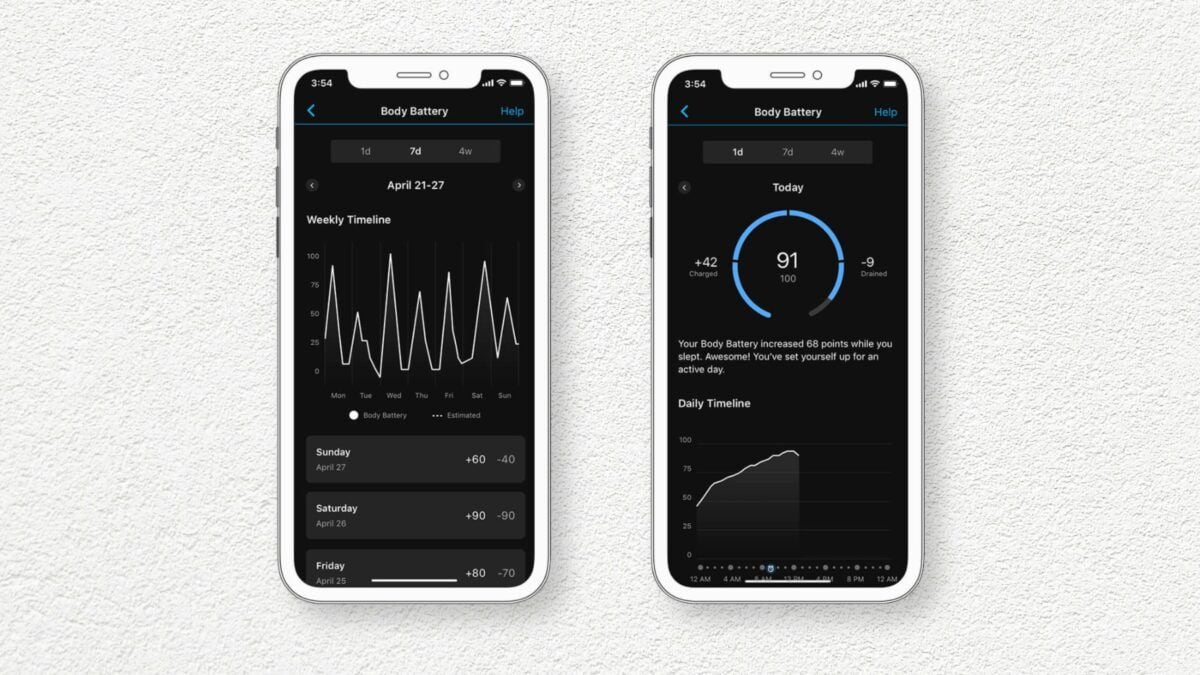
Another cool Garmin Venu X1 feature that feeds into that readiness picture is the Body Battery energy monitoring system, which tracks your body's energy reserves continuously throughout the day and presents them as a single, easy-to-read value at any given moment.
It's the perfect feature for the person at the party who says with absolute solemnity that their social battery is low... or whatever the hell that means. At least this feature might actually give them something resembling scientific evidence for the claim.
PacePro Solves One of Running’s Biggest Mistakes
Rounding out the training picture is PacePro, which brings GPS-based pacing strategy to race day and longer goal efforts.
Going out too hard in the early kilometres of a long run is something most runners have done enough times to know better, and yet (speaking for myself here), it's a relatively difficult habit to change, without getting an actual road map out when you head over to Sydney's Bay Run.
PacePro gives you the ability to plan pace across the specific contours of a selected course, accounting for elevation and terrain rather than simply targeting an average pace across a flat abstract distance. For me, it addresses one of the most common and costly mistakes in running and could easily shave minutes off of someone's marathon time with the right training.

But I suppose the real question I should be answering, the one that sits underneath all of the feature breakdowns and training data and sleep scores, is whether I would actually spend my hard-earned dollars on this. Whether, when the review unit goes back, and the decision becomes a real one rather than purely hypothetical, the Garmin Venu X1 is a watch I would genuinely reach for.
The Venu X1 arrived on the market in mid-2025, positioned as a lightweight, premium fitness-focused alternative to the luxury smartwatch category. In Australia, that positioning comes with a price to match: AU$1,299.
Garmin's own Forerunner range, which remains a firm favourite among serious runners and triathletes for good reason, sits comfortably under the thousand-dollar mark and covers a significant portion of the same training ground. That gap is real, and it's worth acknowledging rather than glossing over.
What justifies it, at least for a certain kind of buyer, is everything that exists around the running features rather than within them. The Forerunner is an outstanding training tool. The Venu X1 is that, and also a watch you'd wear to dinner without thinking twice about it, a sleep tracker capable enough to replace a dedicated device, and a piece of hardware slim and light enough that you stop noticing it's there within a day or two of putting it on.
For someone like me, running a minimum of three times a week and finding myself, with increasing regularity, watching my friends' Ironman training stories and feeling the inevitable pull of ambition, the Venu X1 starts to look less like a premium purchase and more like a smarter one.
It has enough depth to grow with you as your training evolves, enough everyday elegance to justify wearing it continuously, and enough crossover between its fitness and lifestyle functions that you're unlikely to find yourself reaching for a second device to fill the gaps. At AU$1,299, it's an investment, but it's one I'd happily make.
If you enjoyed this review of the Garmin Venu X1, you might enjoy some of Boss Hunting's other reviews below: