
- BMW has revealed the fully electric 3 Series, now wearing the i3 badge.
- It arrives with up to 900km claimed range, rapid-charge 400km in just 10 minutes, and launching initially with 345kW and all-wheel drive in ‘i3 50’ trim.
- Australian arrival already confirmed for early 2027, with a petrol and hybrid 3 Series model, as well as a new M3 still to come.
BMW has finally done it. The world’s most recognisable sports sedan has gone fully electric after a 51-year run with combustion engines, and instead of easing into the EV transition, the brand has gone all-in with an attention-grabbing claim of 900km of range on one charge. The most of any EV in the world.
But don’t worry, petrol lovers: BMW has almost finished developing a combustion-powered sibling that will still be called the 3 Series, while the forthcoming high-performance M3 will be available with a choice of either petrol or electric power, the latter likely with quad motors.
RELATED: 2027 RS5 Avant Leaked: Your First Look At Audi’s High-Powered Hybrid Wagon
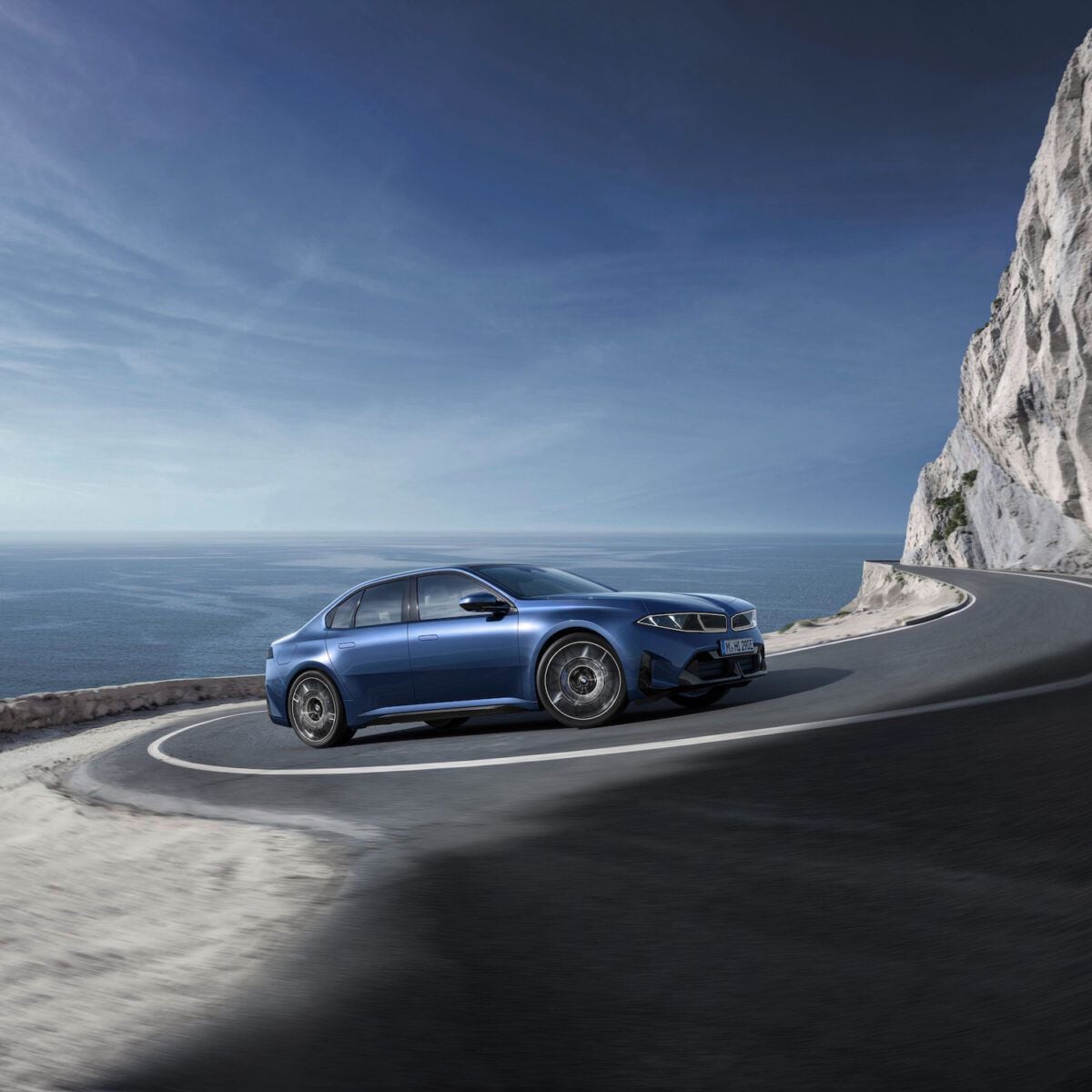
You’ll notice the new design straight away. Like its iX3 SUV sibling, the new i3 marks the beginning of BMW’s ‘Neue Klasse’ era. This is a clean-sheet rethink of how it builds and styles its core models, with high-tech systems under the skin and a completely new cabin.
It’s also important to note that BMW is not giving up on sedans. While most Australians buy SUVs or utes these days, the 3 Series sedan remains a core model at the heart of BMW’s identity, and the expansion into a choice of EV or petrol keeps the model relevant.
At launch, the i3 will come exclusively as a 50 xDrive model, which is a dual-motor AWD setup pushing out 345kW of power and 645Nm of torque, with a clear bias to the rear wheels to preserve that classic BMW feel. Pure RWD models will follow later.
While it isn’t quite as efficient as a Tesla Model 3, the i3 has more range than that ubiquitous electric car, and arguably, the BMW sedan looks significantly more interesting.
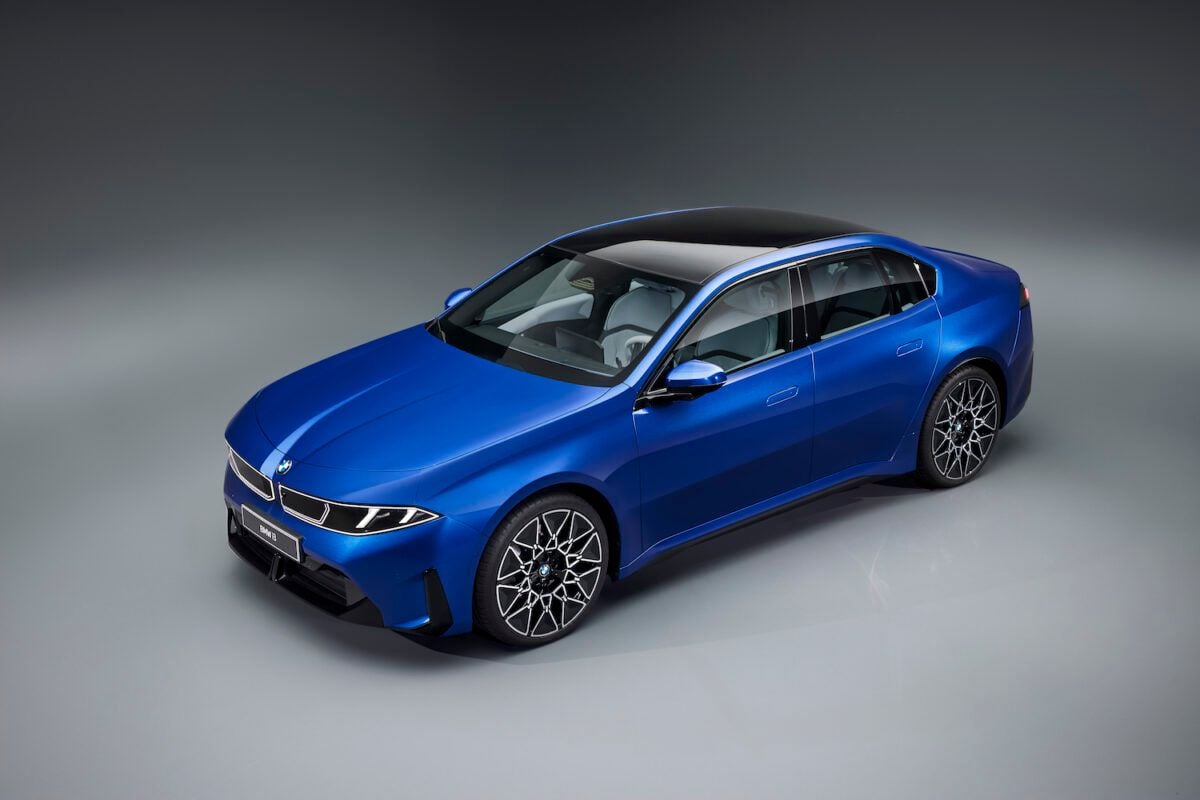
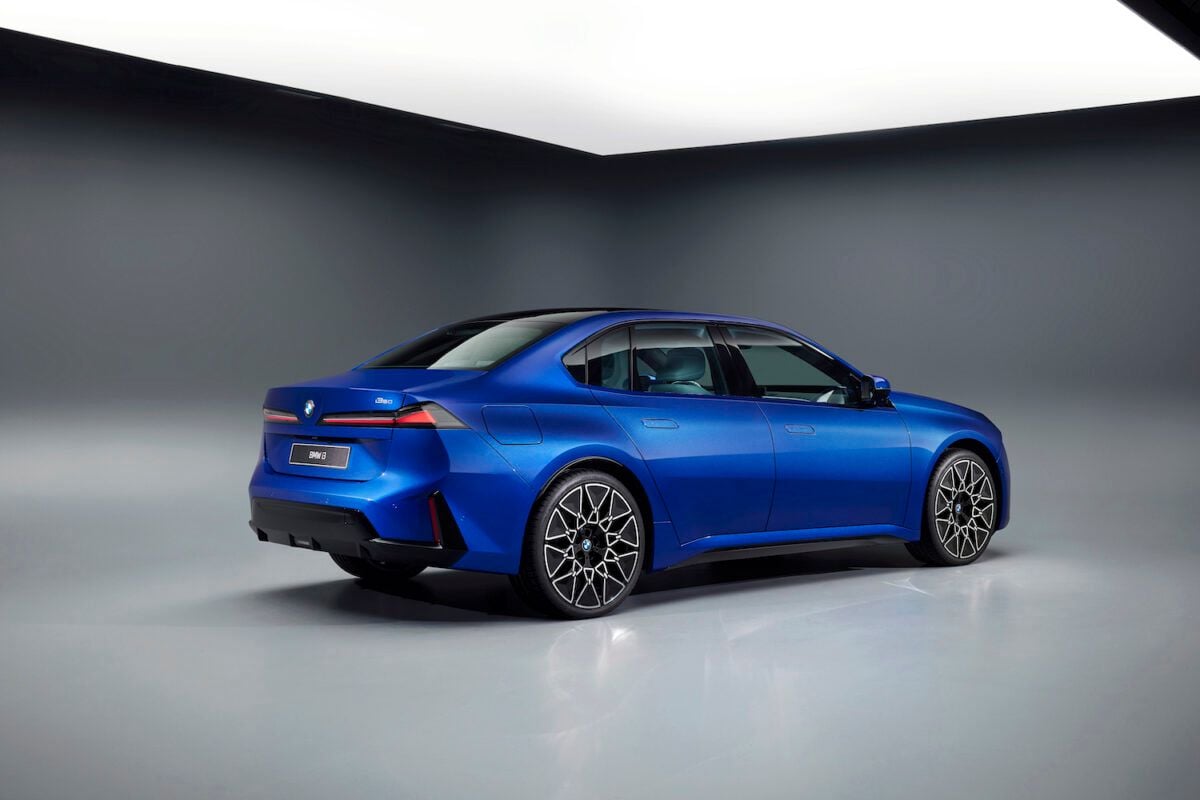
Visually, the i3 sticks with familiar 3 Series proportions with a long bonnet, short overhangs, and a sharp glasshouse, but designers have cleaned up the detailing for “maximum reduction”.
The grille has been reimagined yet again, with the tall vertical face of the current M3 and M4 models set aside for a sleeker, shallower, backlit twin visor look with quad daytime running lights. L-shaped taillights have been widened, and wheel sizes measure up to 21 inches.
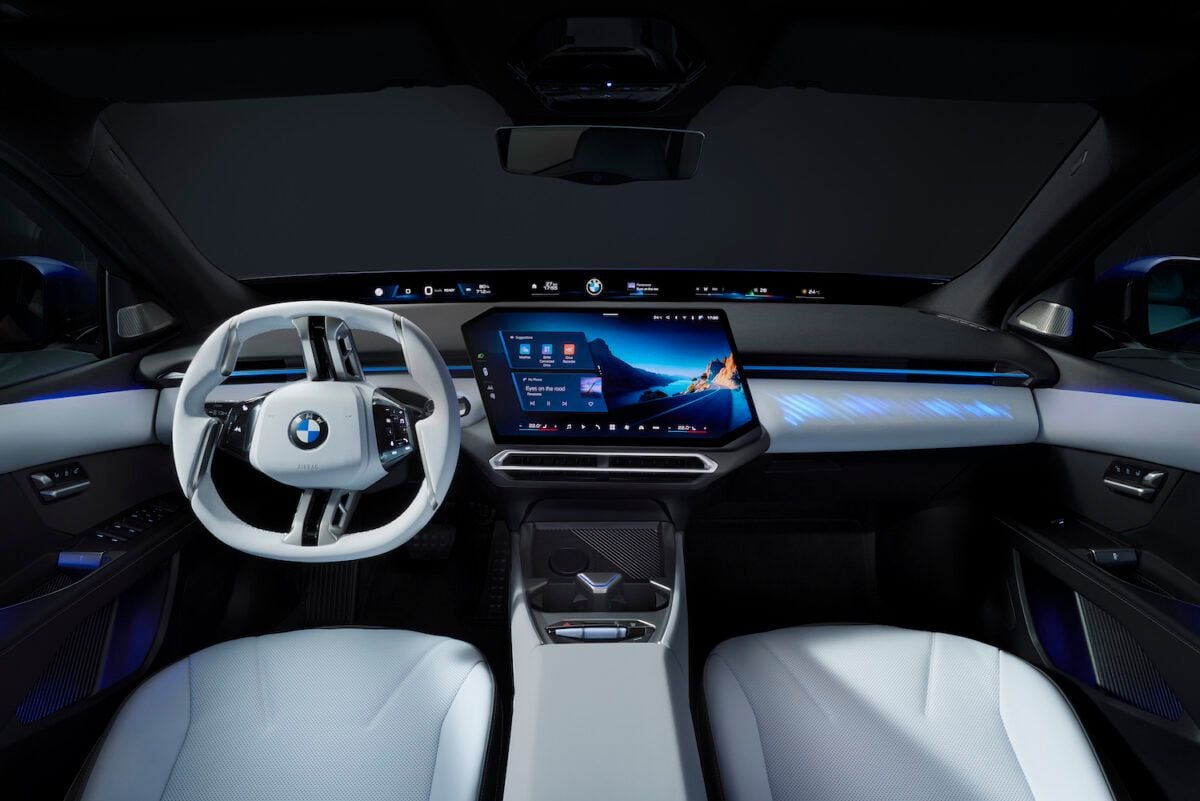
Inside, the cabin leans heavily into high-tech minimalism with an ultra-wide pillar-to-pillar Panoramic Vision display beneath the windscreen paired to a standard 17.9-inch ‘free cut’ central touchscreen.
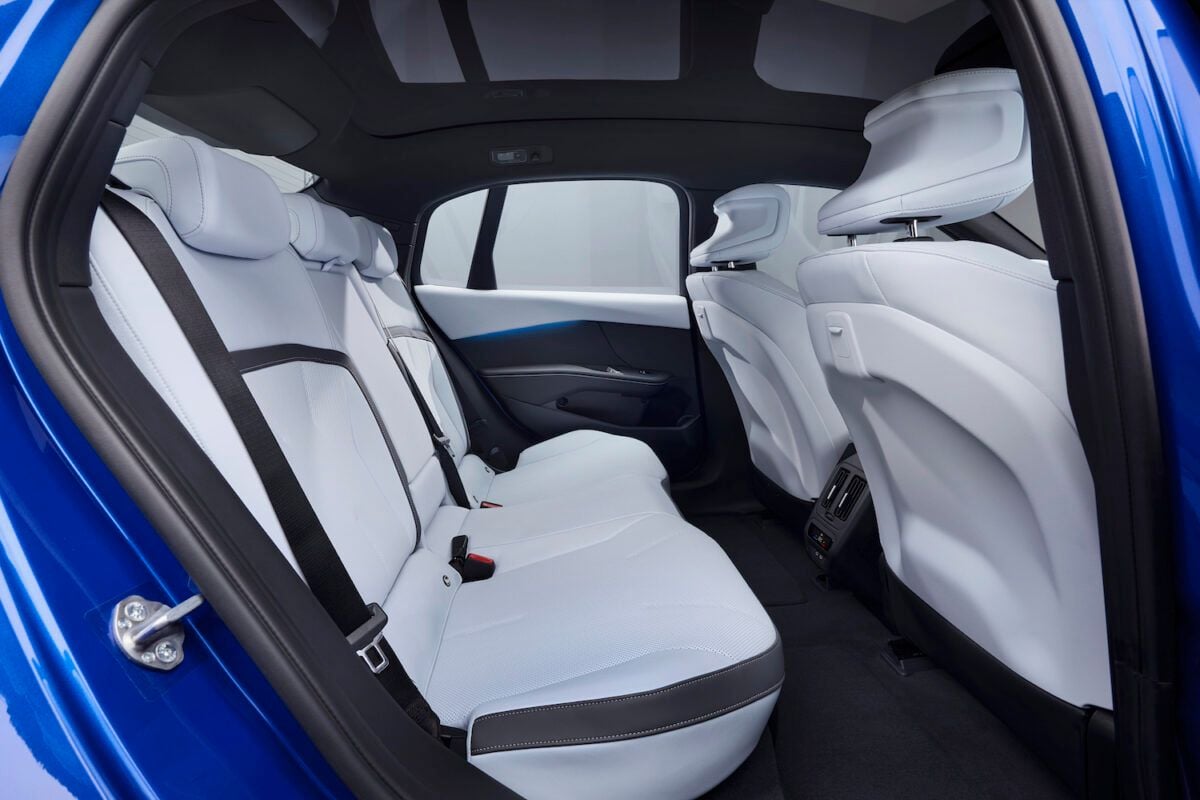
Aussies will be able to specify the i3 with an M Sport package, a choice of colours (including a vibrant, exclusive ‘Le Castellet Blue’ paint), and a choice of interior trims which will include BMW’s ‘Veganza’ artificial leather or, for extra cost, genuine cowhide.
If you aren’t into the electric version of the new 3 Series sedan, keep an eye out for the forthcoming reveal of not only the petrol version, but also the new M3 and even a Touring station wagon form factor.
With production of the i3 set to kick off in Munich in August this year, the first Australian deliveries have been pencilled in for early 2027. Pricing is up in the air, but expect it to land a little beneath the new iX3 SUV, which has been locked in at AU$109,900, plus on-road costs.
When it does land here, the i3 will square up against EV rivals, including the Polestar 4 and Tesla Model 3. Key rivals Mercedes-Benz and Audi are also working on direct competitors in the electric sedan space.