
This story originally appeared in Volume 6 of B.H. Magazine, pre-order your copy of Volume 7 now.
For a decade after my grandfather passed, I assumed his stories had faded with him – until I found one still ticking.
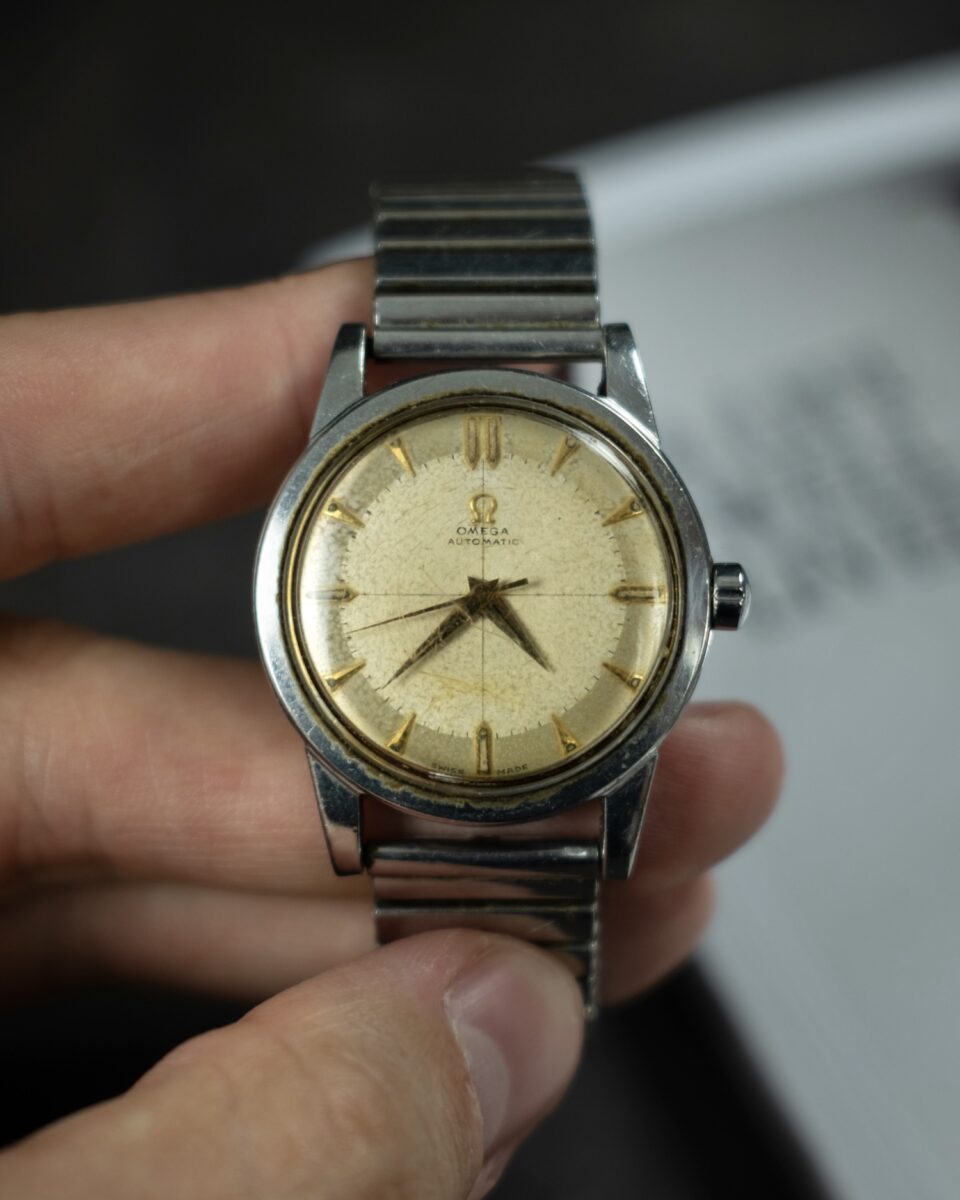
Resurrected after many years in storage and battered from a lifetime on the wrist, I was totally enamoured when I first held his vintage Omega. For one, because its ageing movement still clung to dear life after nearly three-quarters of a century. And second, because – as someone who’s always been drawn to the past – I couldn’t help but feel a spark of fascination. Stranger still, by sheer coincidence, I happened to be wearing a modern Seamaster of my own.
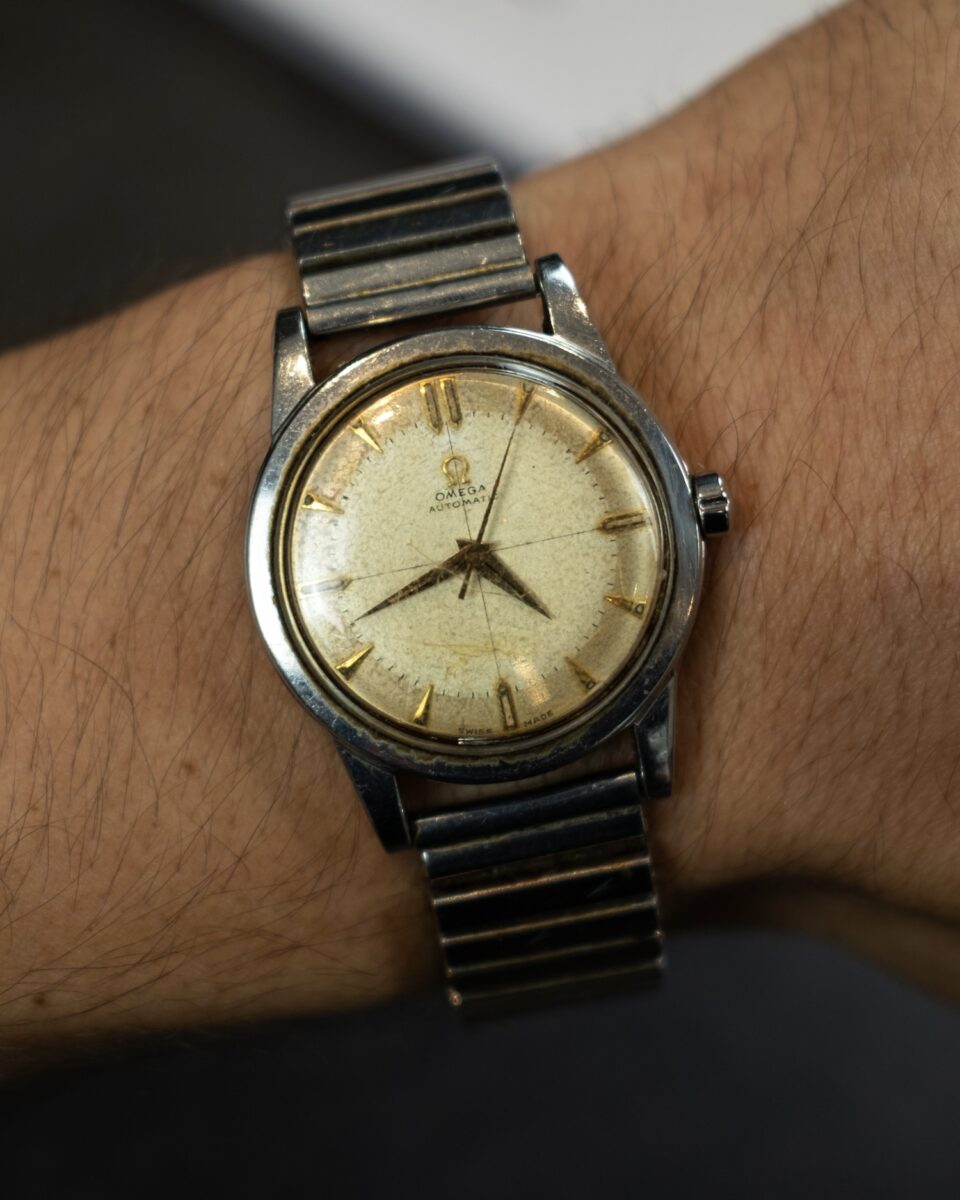
The seconds hand was still limping around the dial, but seventy years of loyal timekeeping had taken its toll. Family lore suggests my grandmother gifted the watch to my grandfather when he left Australia to fly with the Royal Air Force. Beyond that, little was known about its provenance, and only a few whispers of this reference could be found online.
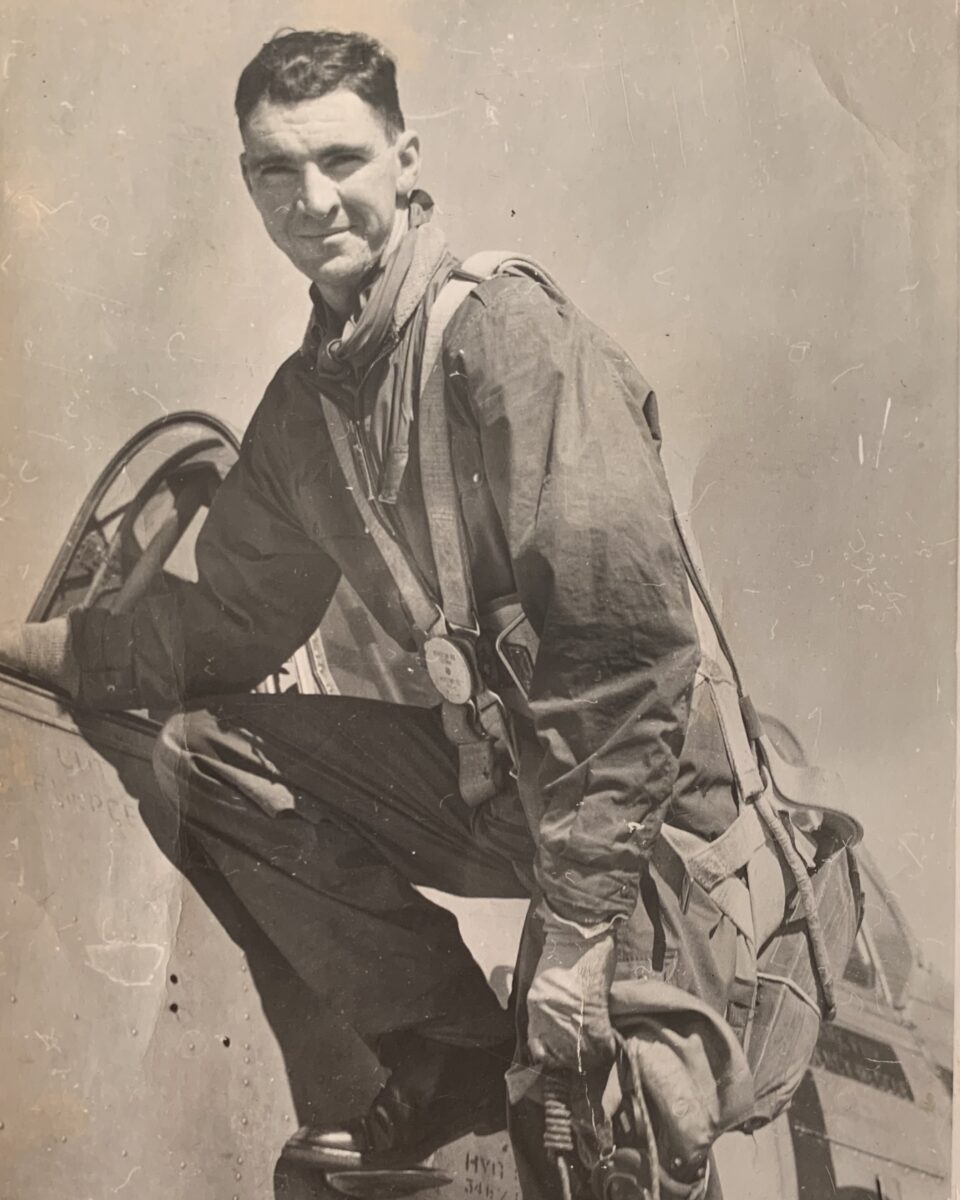
What followed was a year-long journey, completed just weeks before this magazine went to print: a full restoration of my grandfather’s Omega by the brand’s master watchmakers in Biel, Switzerland. The best part? It’s a service open to anyone, and it’s surprisingly attainable.
In trying to preserve the timepiece for its next life, the restoration uncovered traces of its first – the life of Cold War aviator, and my grandfather, Thomas Richards.
The Consultation
Inside the brand’s flagship boutique, an Omega specialist shook the movement, twisted the crown, and peered through a loupe, narrating every detail with the reverence of a historian. I hung on every word. Within minutes, its authenticity was tentatively confirmed, pending final assessment from the top brass in Switzerland. Then came the question: how far should the restoration go – and what, if anything, should be left untouched?
Two paths presented themselves: a full cosmetic and mechanical rebirth, or the preservation of time’s honest wear. I chose the latter – a meticulous service of the movement, fresh glass, and a gentle clean-up of the case, careful not to polish away its story.
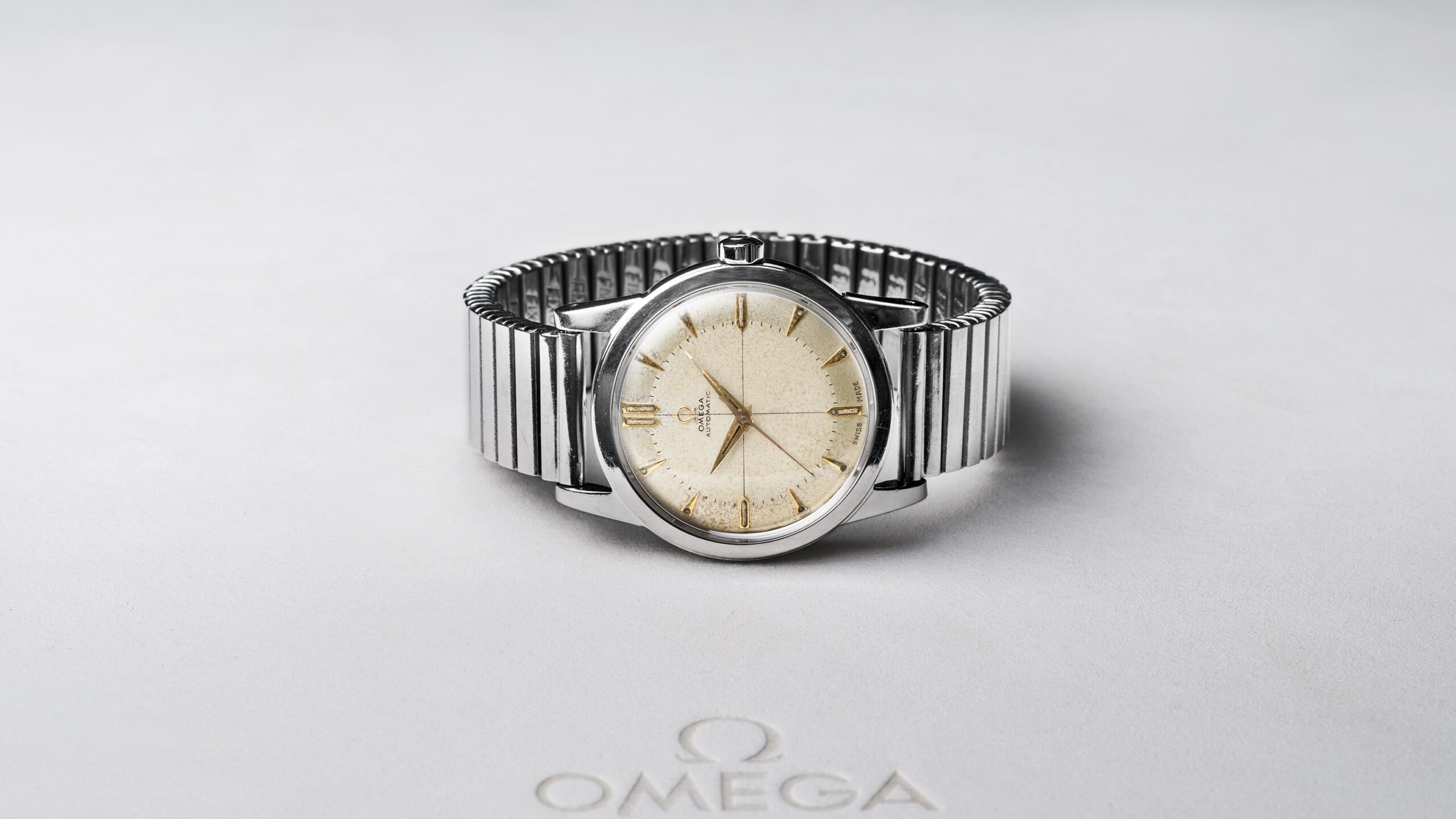
The sun-kissed dial, honeycomb patina, and faint traces of water damage were all part of Tom’s story. My only non-negotiables: honour the dial’s age and preserve the engraving on the caseback.
The Assessment
The watch joined the queue, awaiting its turn for revival. Its 35,000-kilometre journey began in Melbourne, where it underwent initial checks, before continuing on to the Omega Manufacture in Biel for further investigation and restoration.
While I waited eagerly for news back in Australia, experts combed through a vault of physical archives to pinpoint its origins. And then, the first official communication arrived. This reference was among the very first Seamasters ever produced. The CK 2577 featured a calibre 351 automatic bumper movement and, according to Omega’s records, left the factory on 30 January 1952. It was one of only a handful of early references that didn’t carry the “Seamaster” name on the dial – instead presenting a clean, classic face, distinguished by a unique crosshair design.
But the most fascinating nugget of archival gold – somewhat unexpectedly – was that its delivery country was listed as Zimbabwe. Intrigued by the detail, I dug through old flight logs and confirmed that my grandfather had, in fact, been stationed at an airbase in Southern Rhodesia, as it was then known, in late 1952 – during a period when the British were conducting pilot training there.
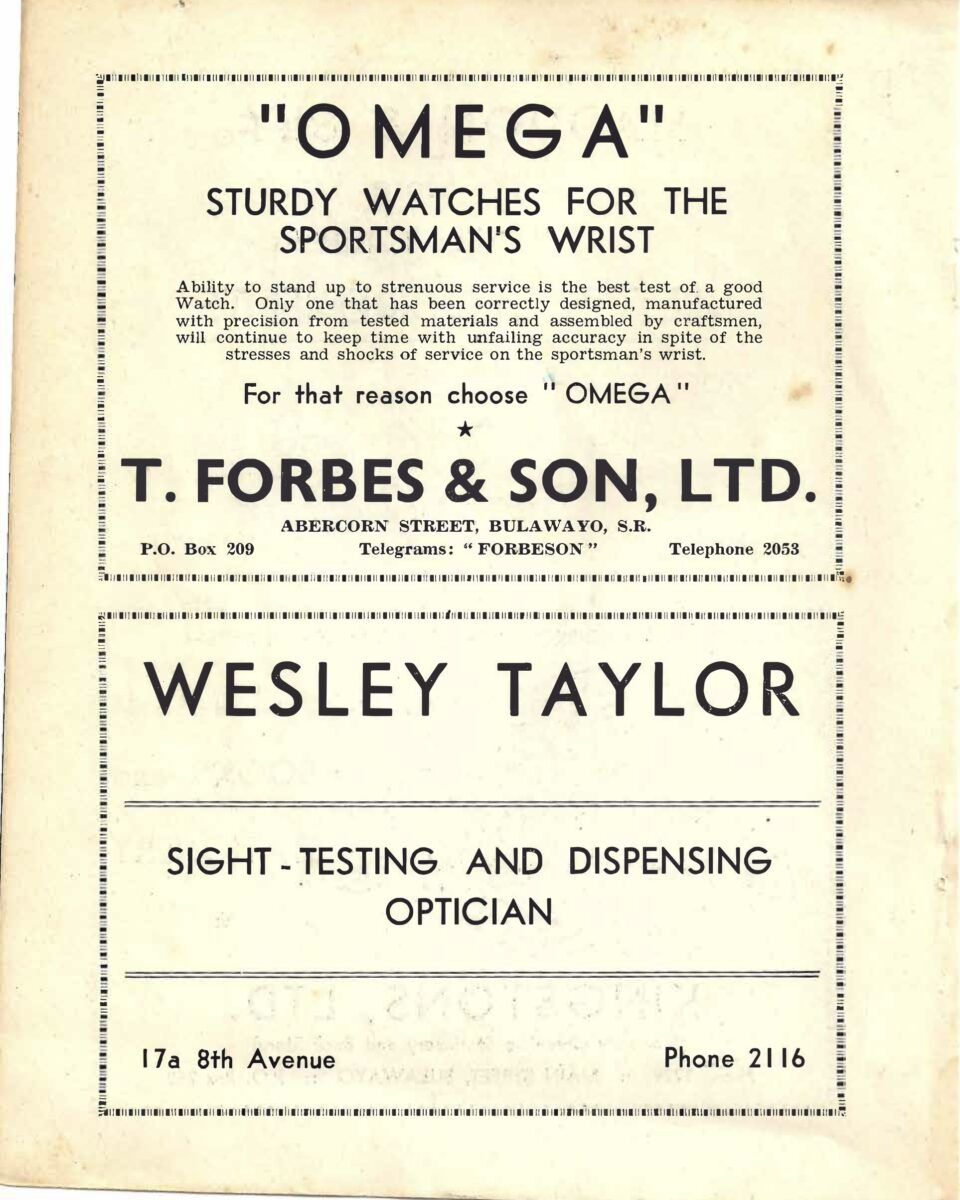
I can only imagine that, after graduating from flight school and earning his wings, he marked the occasion by purchasing the watch. Magazine records from Bulawayo’s expat circles in the early 1950s even feature glowing Omega advertisements tucked into the back pages – sold by an authorised dealer on the high street named T. Forbes & Sons. Once upon a time, I could have simply asked him whether he’d stopped in there to treat himself to a graduation gift. But fifteen years on, it was Omega’s archive that stepped in to help fill the gaps.
The Resurrection
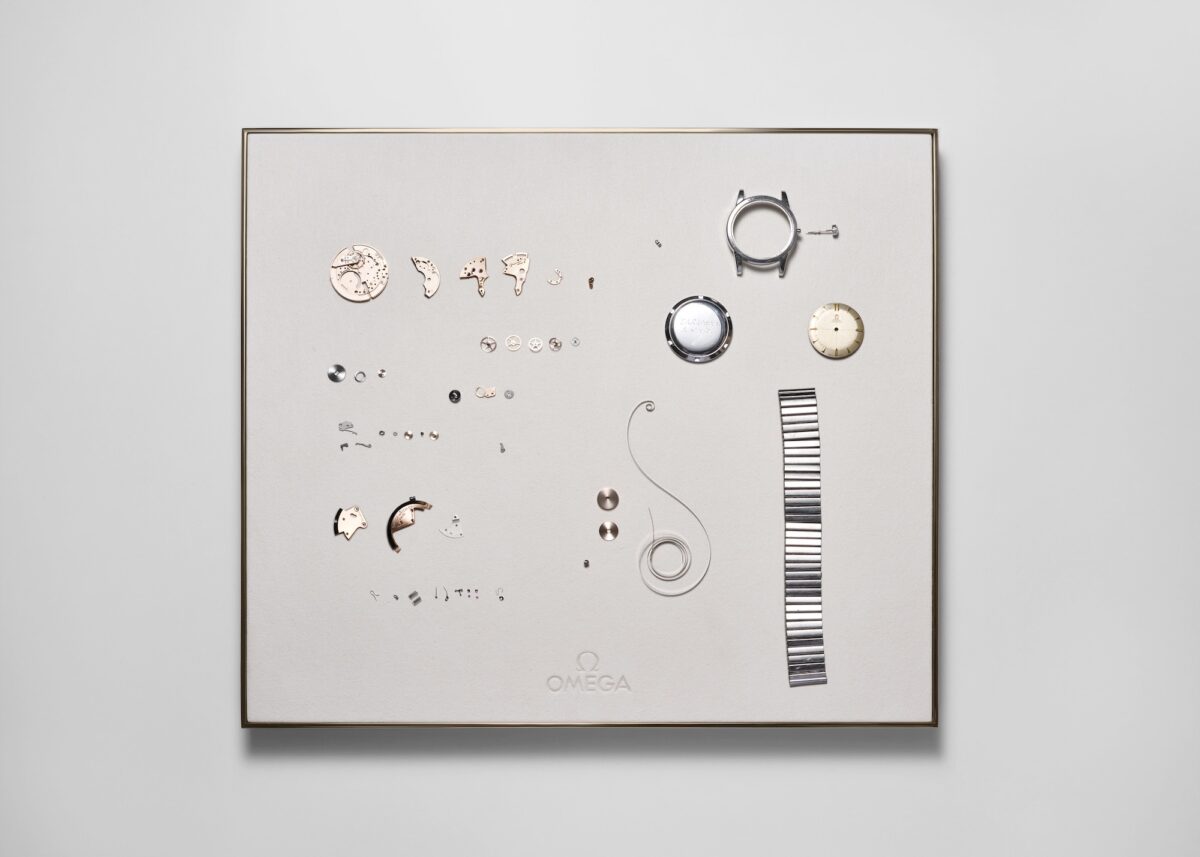
The Seamaster arrived at Omega’s restoration department, where watchmakers diagnose and restore vintage timepieces from around the world. Beneath the caseback, the movement was unpacked, revealing its remarkably well-preserved condition.
Watches from this era used radium-based luminous compounds on their indices – giving the glow-in-the-dark markers a mild, but measurable, radioactivity. Opening these movements requires single-use gloves and PPE to safely handle what is, essentially, Pandora’s radioactive box. I’d flagged the possibility of elevated radiation, given Tom’s time at the British atomic testing site in Maralinga, South Australia, where he witnessed four nuclear detonations in the mid-1950s. Omega confirmed they would handle it with the same caution they apply to all timepieces from this period.
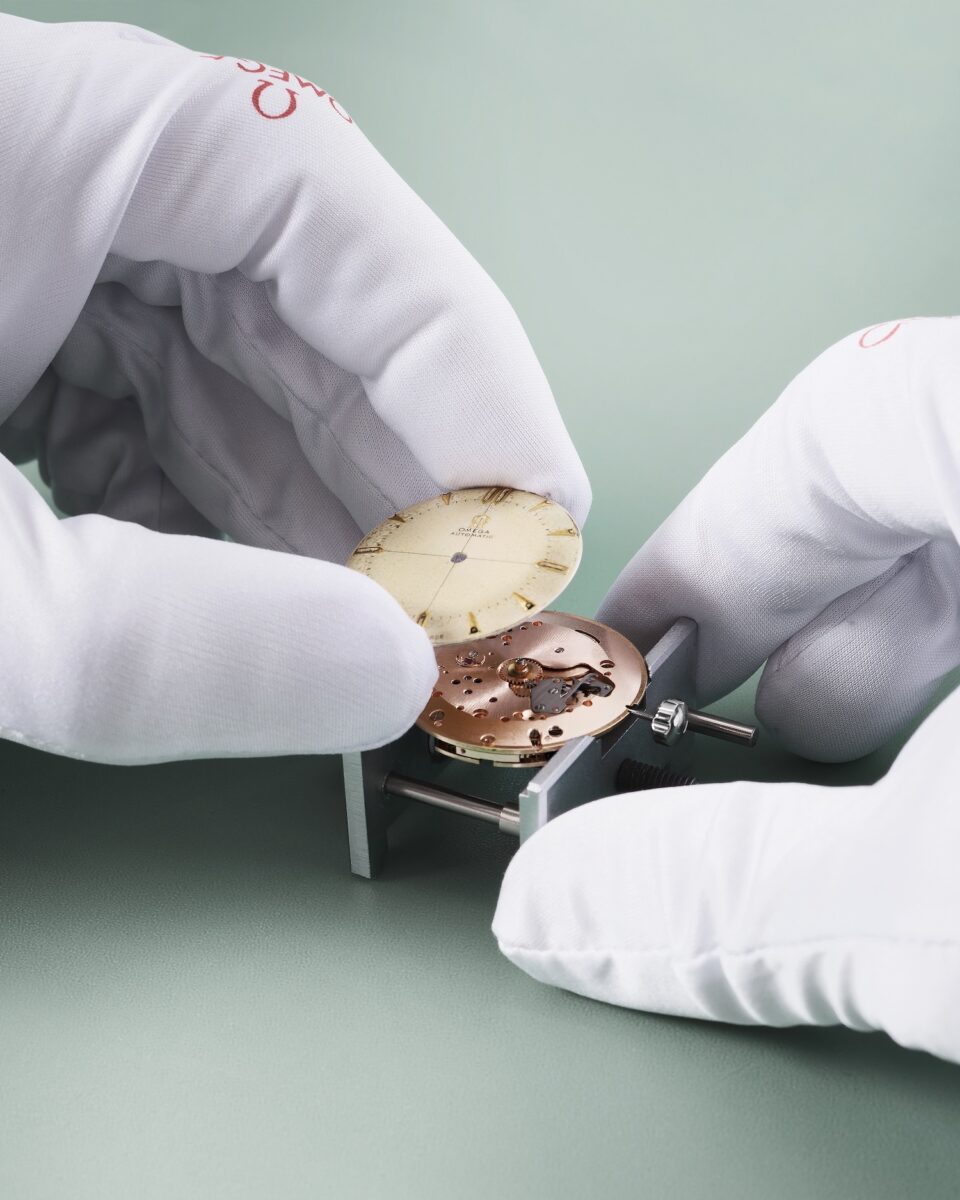
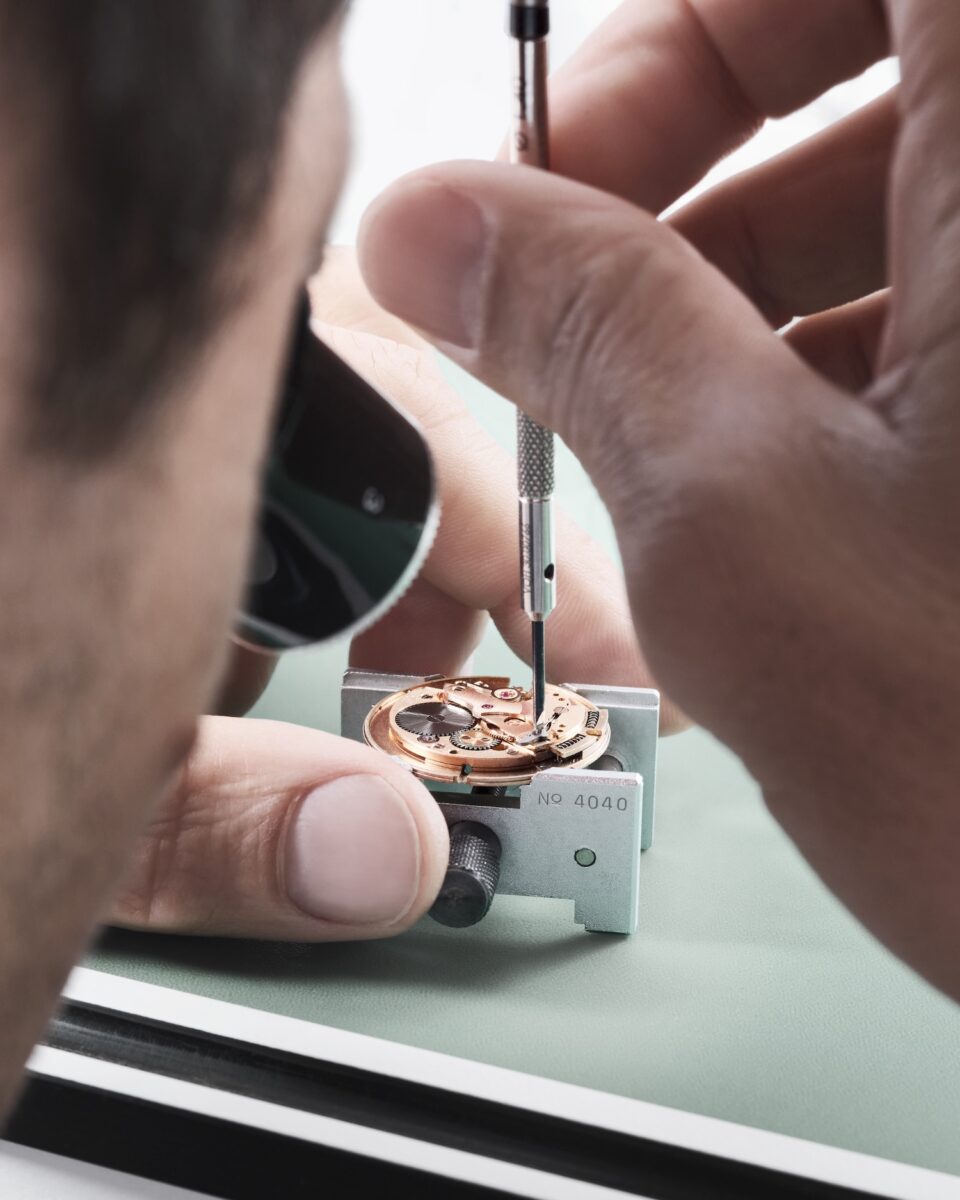
As the fifty-odd components were extracted and examined, the areas needing attention became clear. Omega retains original parts unless they compromise the watch’s function.
When replacement is necessary – like the expired crown on this watch – they source new-old stock from the original era whenever possible, resorting to modern remanufactured components only as a last option.
Modern automatic watches from the 1960s onward use a full 360-degree rotor for efficient winding. The calibre 351’s “bumper” movement, however, presents unique challenges: a semi-circular weight swings approximately 120 degrees, like a pendulum, winding the mainspring through a ratchet and gear system that demands precise tolerances. The escapement – the gatekeeper controlling the watch’s energy and timekeeping frequency – requires exact adjustment to regulate power release and maintain the power reserve.
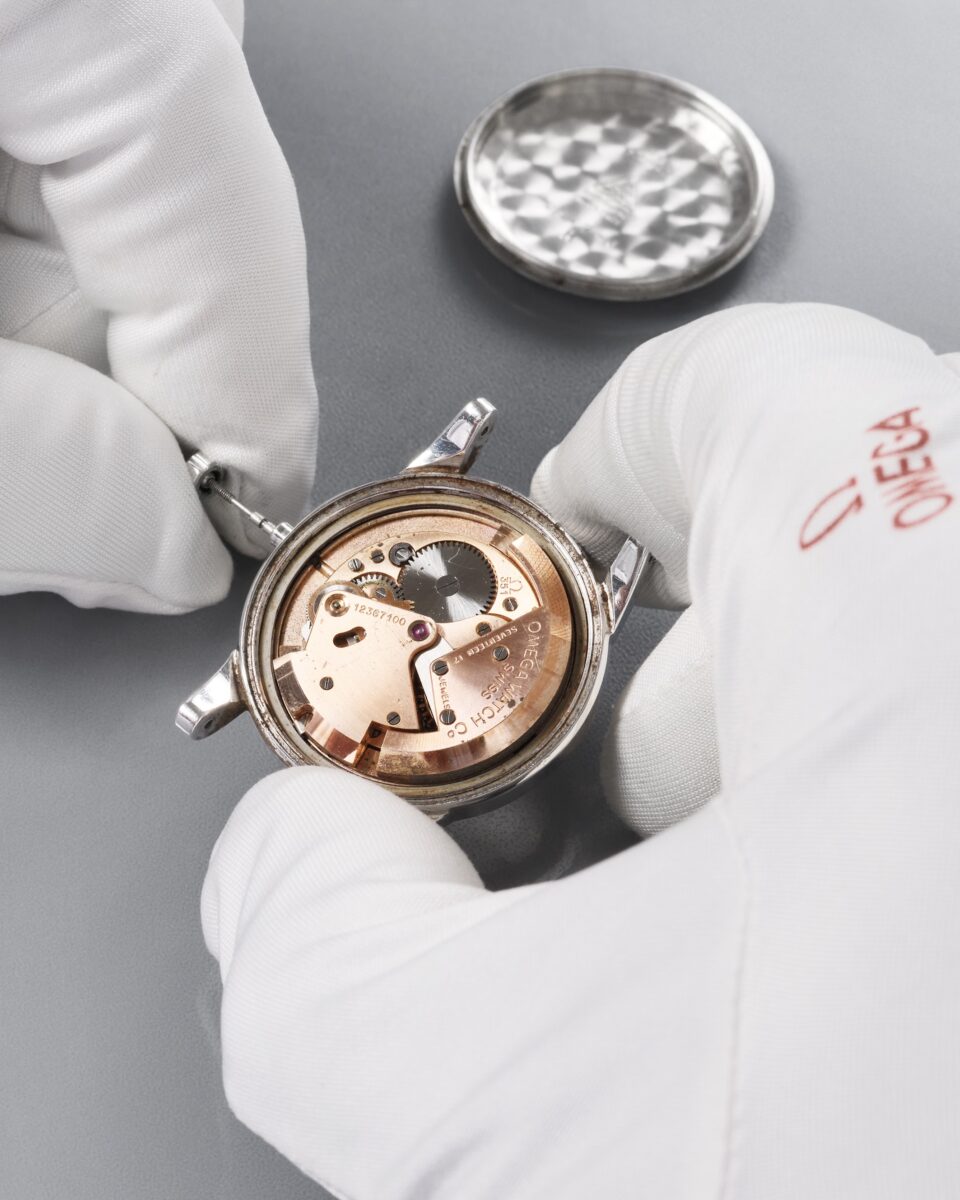
Reassembling this calibre involves fitting a tricky locating pin with absolute precision – all while preserving the sanctity of the ancient movement to within micrometres under the microscope. That’s a lot of variables to control in a 73-year-old watch.
The Reception
Unclipping the complimentary Omega travel case, I could hardly believe I was staring at the same watch. The dial’s golden hue now shone proudly through fresh glass, its flecked patina revealed in all its glory, finally earning the admiration it always deserved. The dulled, muted steel case gleamed brighter and sat lighter and steadier on the wrist. I could feel the movement within, which had once felt sloppy and jumbled when shaken, now rocking back and forth with fluid ease.
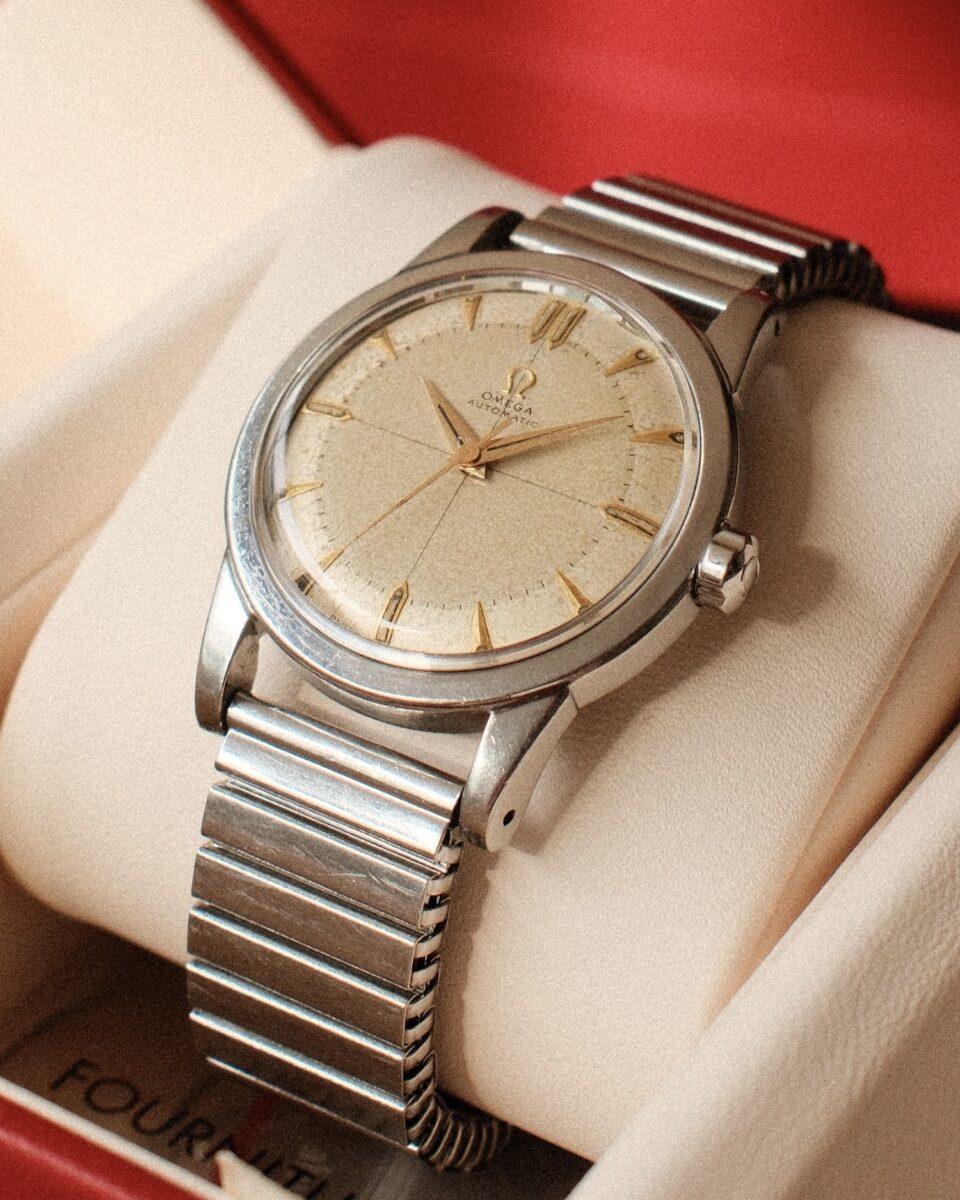
My family and I gathered around, humbled to witness something once forgotten now commanding such appreciation. The watch that had never left my grandfather’s wrist was beating once more, its central seconds hand effortlessly sweeping across the dial. Inside the box lay a pouch of retired components – every worn screw and gear a quiet reminder of a life well lived on his wrist.
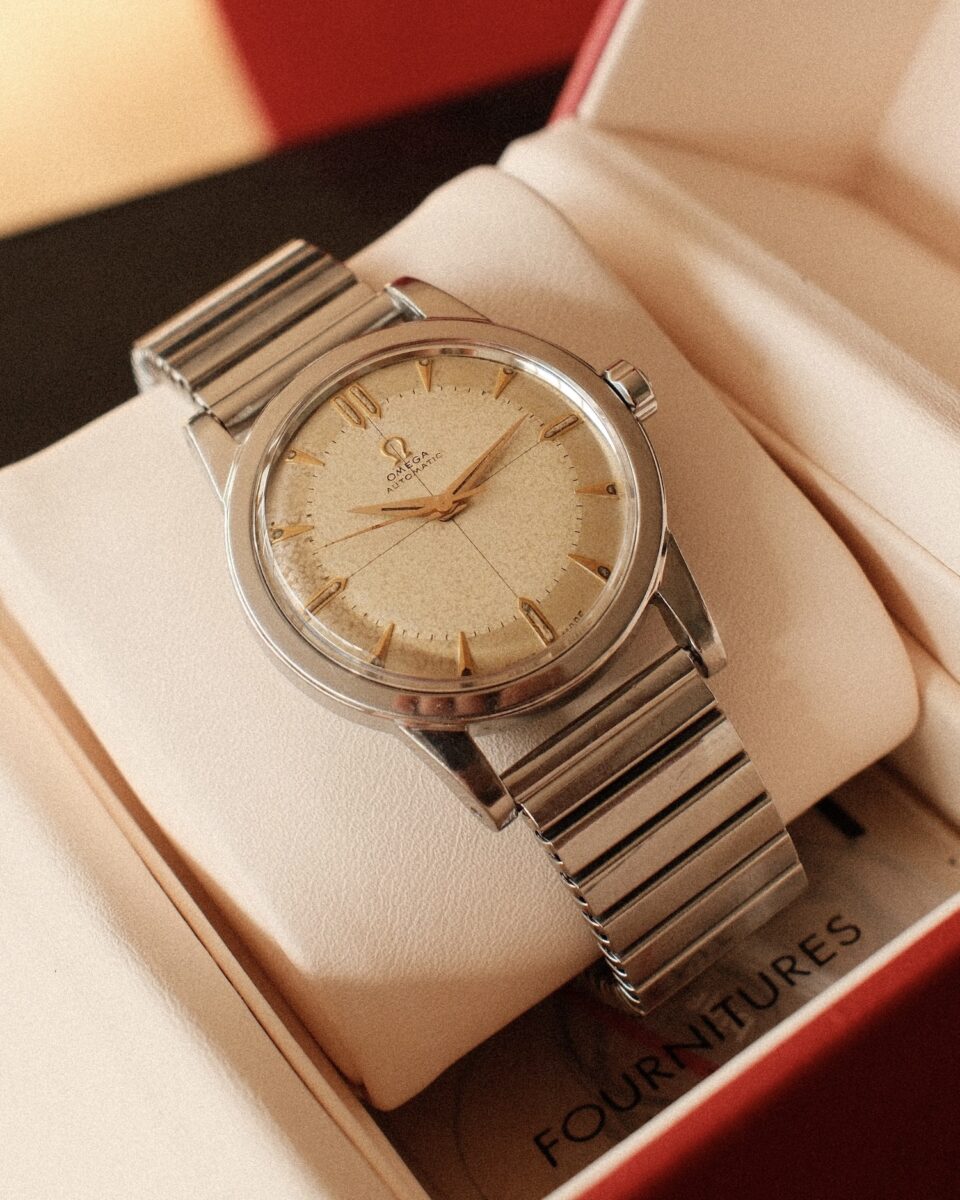
Any vintage Omega owner can submit their watch for restoration. Costs vary by movement and condition, but nothing captures the brand’s commitment to longevity like reviving a sentimental piece – backed by a two-year guarantee. Still keeping his time, and now a little of mine.
If you enjoyed this story from the pages of B.H. Magazine, you might enjoy a few other stories below:
- A Night At The Museum: Vacheron Constantin Celebrates 270 Years In Spectacular Style
- Midas Touch: How The Tactile Aspect Of Luxury Separates The Great From The Good
- How Quartz Watches Shed Their Cheap Reputation To Become A New Kind Of Luxury
- Australia’s Biggest Watch Experts Reveal Their Favourite Everyday “Beaters”
- Slow Craft, South Of Saigon: The Art Of Cloisonné Enamel Watch Dials