

It’s National Cocktail Day, and as if you needed a reason to mix, shake, or stir a mid-week sharpener, it’s always nice to celebrate one of life’s most elegant pleasures with its very own day. From classic cocktails to inventive twists, this is your ultimate guide to cocktail recipes for every mood, taste, and occasion.
If you’re new to mixology and wondering what separates a muddler from a jigger, we’ve rounded up our favourite gin cocktails, vodka cocktails, whisky cocktails, and tequila cocktails so you can raise a glass in perfect (dry or wet) style. And yes, that was a cocktail joke; we can’t promise it’s the last.
Whether you prefer gin neat, vodka on the rocks, martinis, shaken, not stirred, or tequila with an umbrella sticking out of it, Boss Hunting's Best Cocktail Recipes is your go-to cocktail guide. Consider this your roadmap to National Cocktail Day, packed with classic cocktails, modern favourites, and a few surprises to make every sip this year measured and perfectly poured.
Gin
Classic Gin Martini
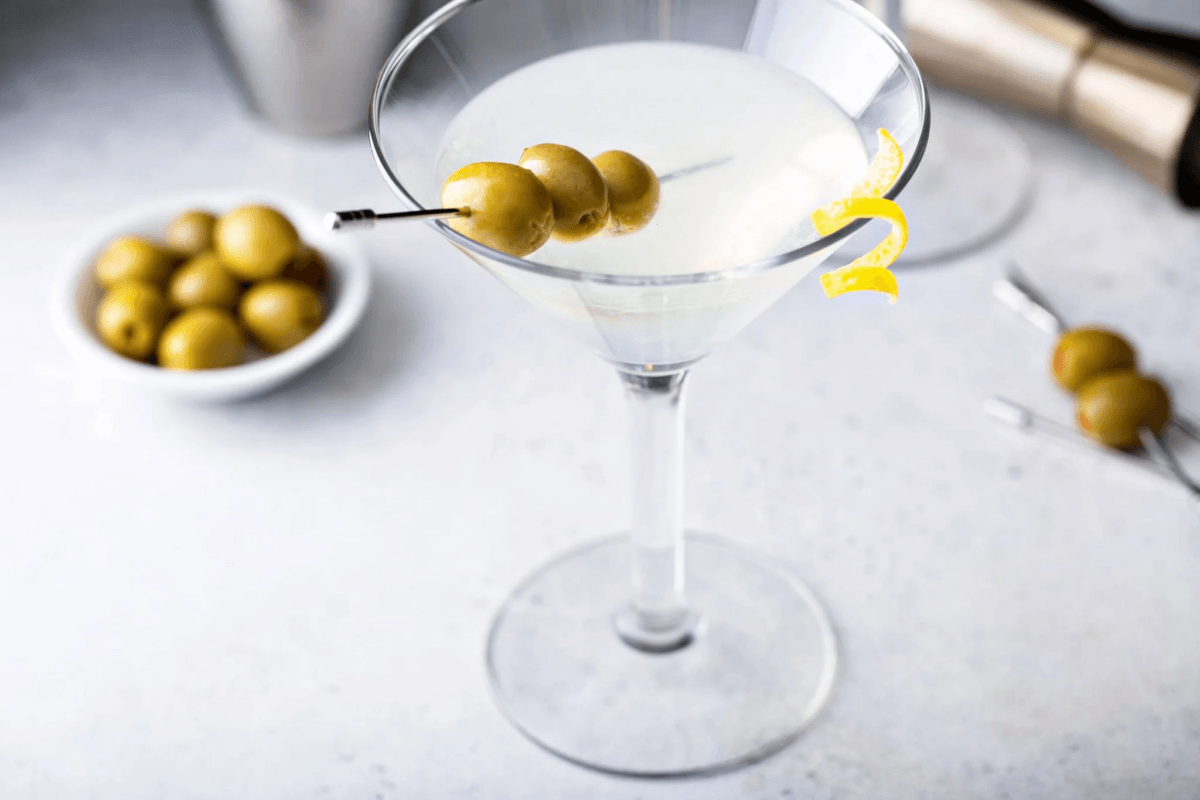
If you're like me, a classic martini consists of gin and a high-quality dry vermouth. Not vodka, not doused in olive juice. And importantly, it's stirred.
Of course, we all know of the enduring mantra from James Bond, who famously requests his martinis "shaken, not stirred." This is largely because violently shaking the liquid content breaks up the ice and dilutes the cocktail to be less alcoholic. This has always been the way because Bond is always drinking on the job. Not because it's a better final drink. Something to consider.
That's why we delicately stir our martini, infusing the gin, vermouth and ice with patience, resulting in a silky smooth cocktail with a satisfying mouthfeel (and a whole lot of booze). The perfect sharpener for this side of Wednesday.
Lemon Drop Martini
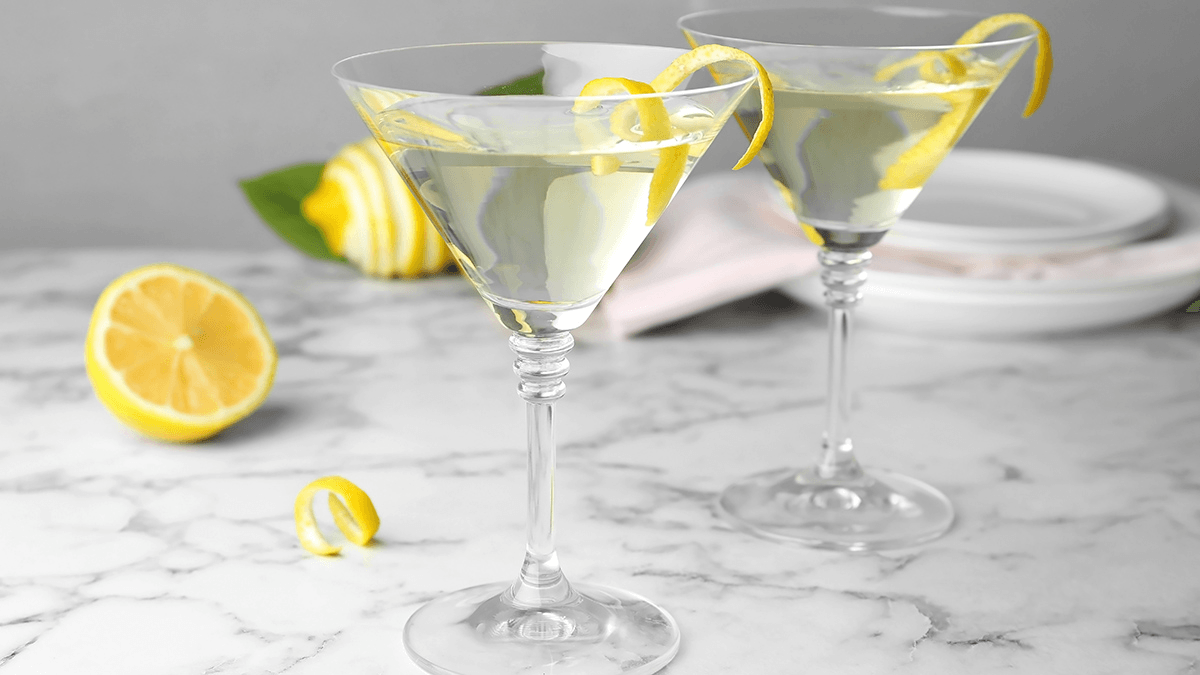
Once you’re comfortable with the fundamentals of making a classic Martini, this ‘Lemon Drop’ is an interesting variation to try your hand at. As a base, we recommend Aussie distiller Never Never’s signature Triple Juniper Gin: renowned for its bright and intense citrus character.
The addition of lemon curd here plays a similar role to what you’ll find in the ‘Breakfast Martini’ (a recipe penned in 1996 by Salvatore Calabrese).
Moreish and appetising, this particular gin cocktail also calls for the addition of egg white. By activating that ingredient’s proteins — which you do by hard-shaking — the finished beverage has a smooth, velveted mouthfeel: essential when working with viscous flavours like lemon curd.
Tom Collins
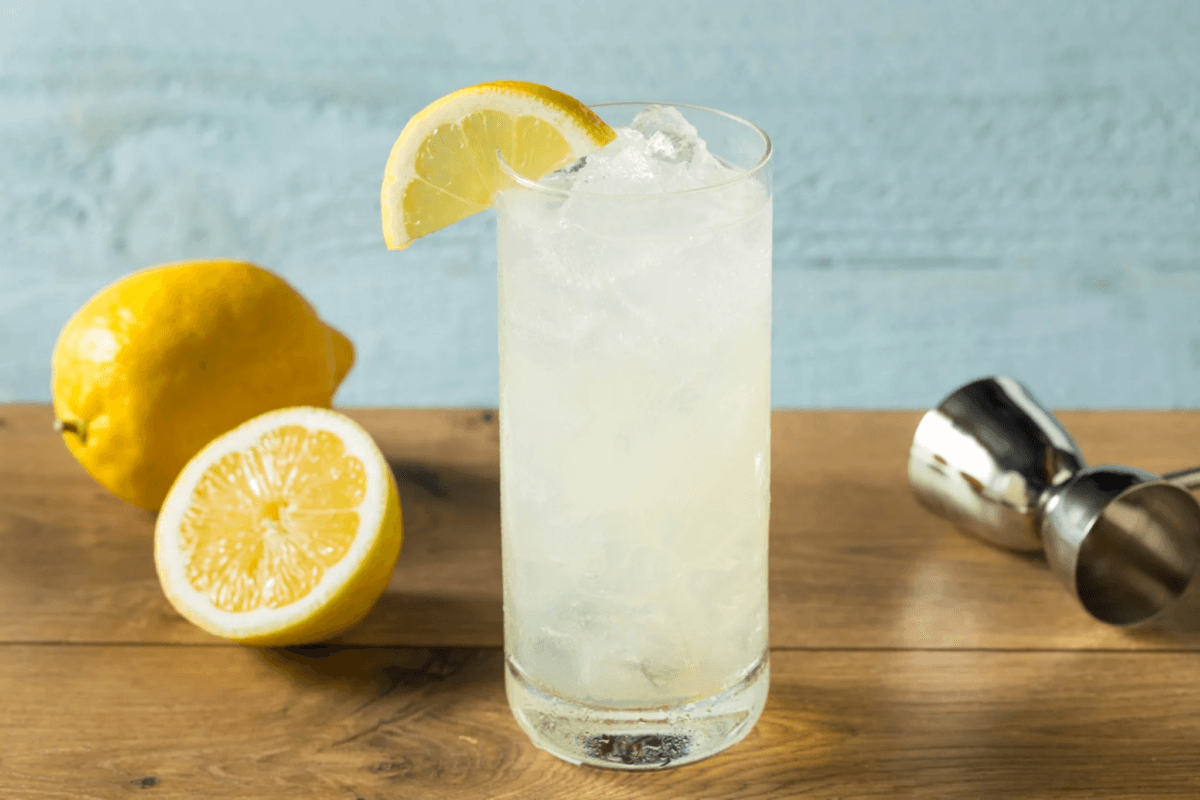
To all intents and purposes, gin-spiked lemonade, the Tom Collins is an excellent (not to mention efficient) alternative to the typical G&T – when you want to whip up something extremely refreshing, that just barely qualifies as a 'gin cocktail'.
Apparently (though there's little documented evidence for this), the Tom Collins evolved out of the trend for 'gin punch' cocktails, popularised in London during the early 1800s.
In any event, in line with the beverage's Victorian origins, we find it's best to build your Tom Collins over a foundation of Old Tom Gin: made to a recipe that's slightly sweeter than London Dry, but drier than Jenever.
South Australia's Kangaroo Island Spirits do an excellent, if somewhat modernised take, with the lemon myrtle-infused character playing well alongside fresh citrus and the Collins's lightly carbonated texture.
Spicy Gin Margy
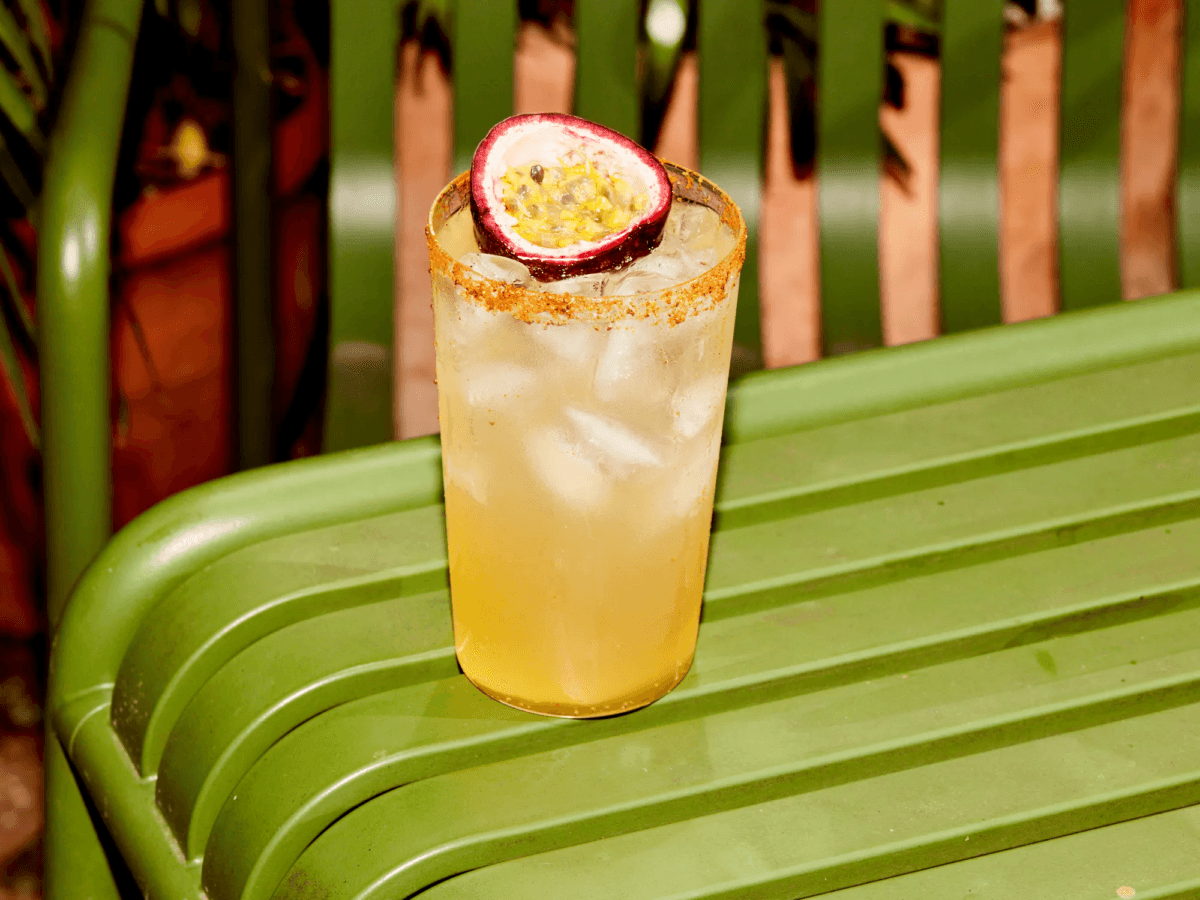
Rate it or hate it, the Margarita continues to be one of Australia's most popular year-round cocktails. This riff, with more than a little inspiration from the 90s-era 'Tommy's' recipe, hardly reinvents the wheel; but with such a well-calibrated range of spicy, citric, and saline flavours all in one sip, why fix what ain't broke?
In contrast to the other gin cocktails we've chosen to include, the foundational spirit here is Oyster Shell gin. We like local producer North of Eden's take, in which the presence of briny, bivalve flavour is carefully incorporated – so as to avoid overpowering this gin's other notes of ginger, rose, and Hawthorn leaf.
Gimlet
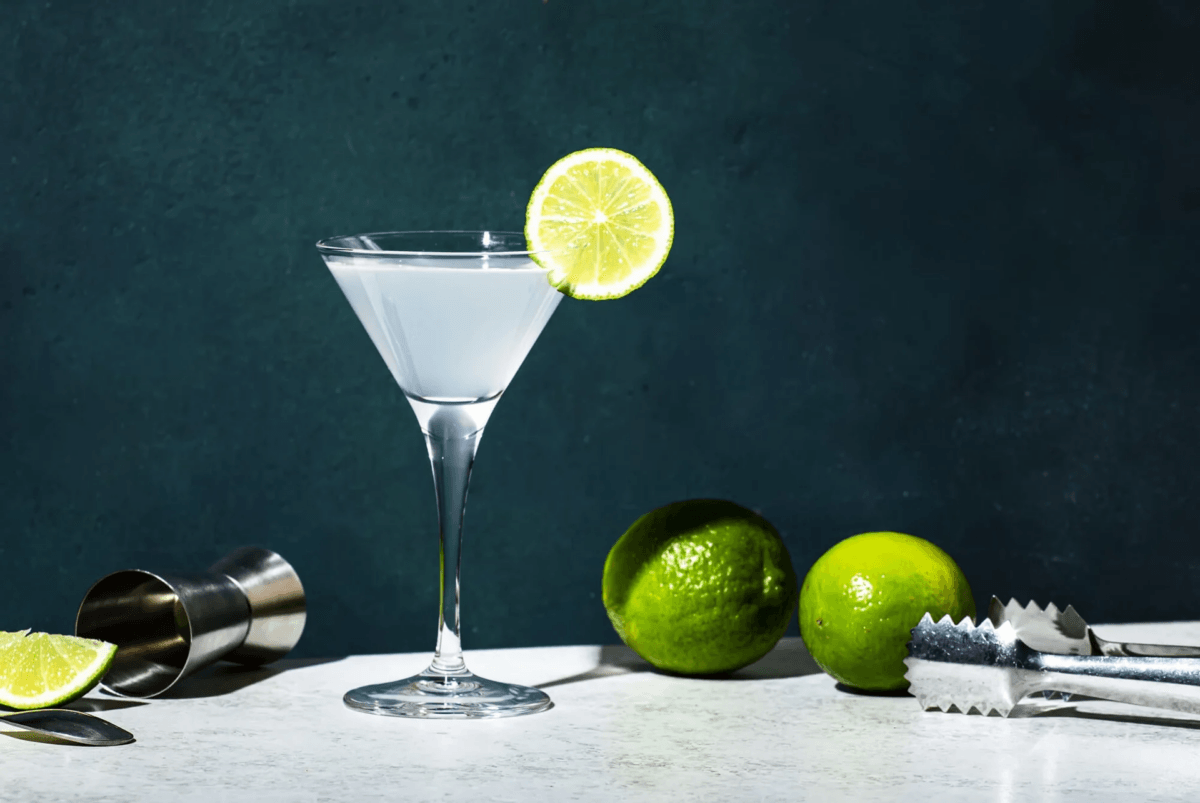
Not the first one on every cocktail list, the Gimlet is a sleek, citrus-forward alternative to a margarita, taking a high-quality London Dry Gin (or even vodka) and shaking it with fresh lime juice. It's a crisp, clean cocktail that’s also relatively tart. But perfectly balanced.
Like the margarita, there's a lot of lime and booze, but without the sweeter quality of Cointreau, giving an uncomplicated recipe that's incredibly easy to follow, and lets the quality of the ingredients shine. For this one, I'd fork out a little extra for something from the top shelf, and leave the salt in the cupboard.
Tequila
Sideline Cider
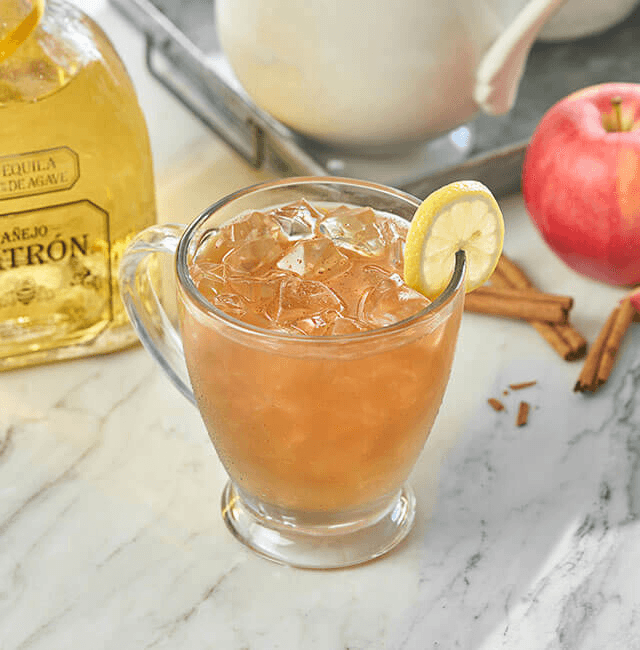
The Sideline Cider was created by Jesse Powell, a bartender in Ponca City, Oklahoma, who stirred up this under-the-radar classic for Patron a few years ago. It has since become one of the brand's signature serves, using Patrón Añejo and making the profile work remarkably well with apple cider.
Given Australia has some of the best apple cider in the world (from Tasmania), you should have a good amount of scope to elevate this cocktail even further than anyone has done over in the States. Just make sure you've got some Willie Smith's on hand, a bottle of Patrón Añejo and some fresh lemon. Your mates will be impressed
Paloma
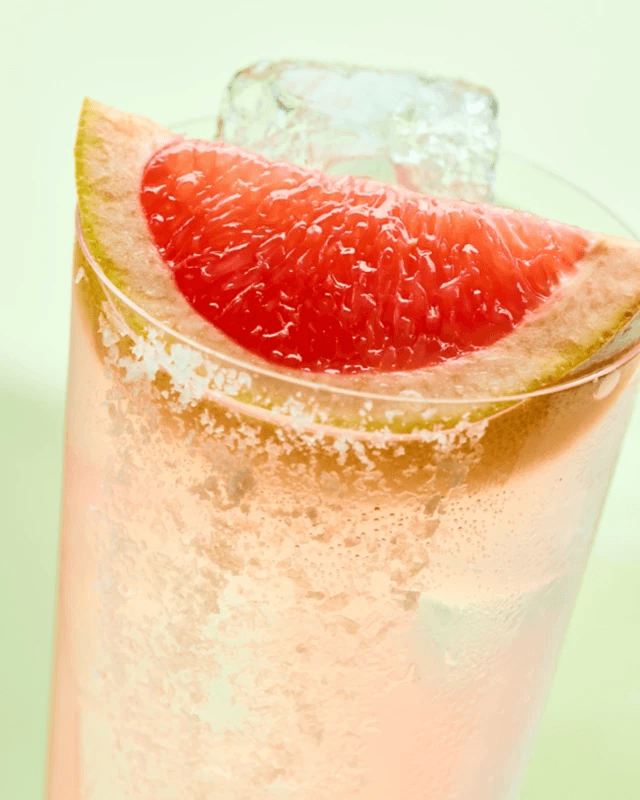
Yes, you've heard of a Paloma, and there's every chance that you already know how to make a killer version of the classic Tequila cocktail and summer essential. A reminder won't hurt, though. Especially since it must be hard to see past the density of margarita and its many versions next time you pick up the menu at your local Tequila bar.
The Paloma was reportedly created in the legendary cocktail bar La Capilla of Tequila, Mexico, by owner Don Javier Delgado Corona. It has since become one of the most popular Tequila cocktails, famed for its simplicity and refreshing fruity profile thanks to fresh grapefruit juice and sparkling water. Get those two key ingredients just right, and you'll taste just why a Paloma should take precedence over a margarita if you and your mates are keen on something just as sessionable but not as sour.
Just make sure you've got a really good Tequila on hand because the Paloma is so expressive and well-balanced that a cheap Tequila doesn't really have anywhere to hide in that highball.
Vampiro
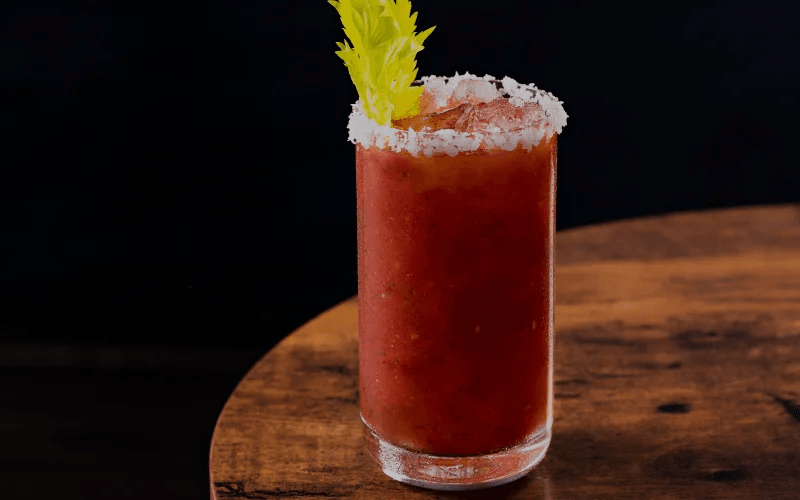
Most margarita drinkers (or anyone who is new to Tequila cocktails) probably haven't even heard of a Vampiro before, but if you have the fortune to be in Mexico during Cinco De Mayo, you'd surely walk away very familiar with the name.
The festive cocktail requires a highball glass, some good quality tomato juice (or if you want something more traditional, pomegranate juice) and, if you really want to take the taste to the next level, some Worcestershire sauce. Yeah, it may sound a bit dicey, and to be honest, it is, but think of it as a next-level Bloody Mary, and you'll be a fan in no time.
Mexican Mule
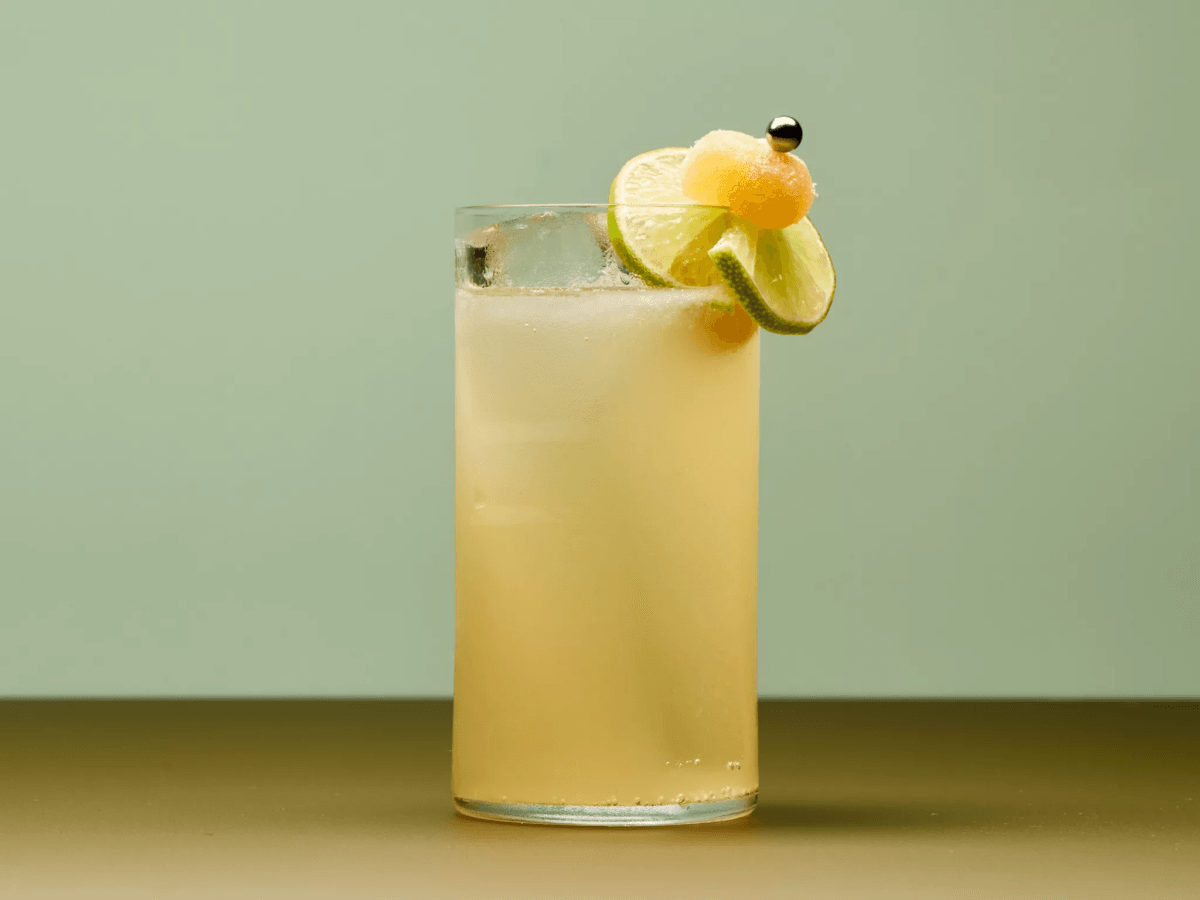
Someone somewhere got bored with drinking the same old Moscow Mule and added a bit of a kick to it. That's more or less the origin story of the Mexican Mule, which gets much of its distinctive profile from some spicy ginger mixed with some zingy lime. It's not a kind drink by any means, but very few people would be able to put one down once they get used to the singular profile.
There's a lot of bite to this one, and thankfully, it's incredibly easy to make, given all you need is some good quality Tequila, fresh lime juice, and ginger beer. Extra points if you shave in some actual ginger as well.
Classic Margarita
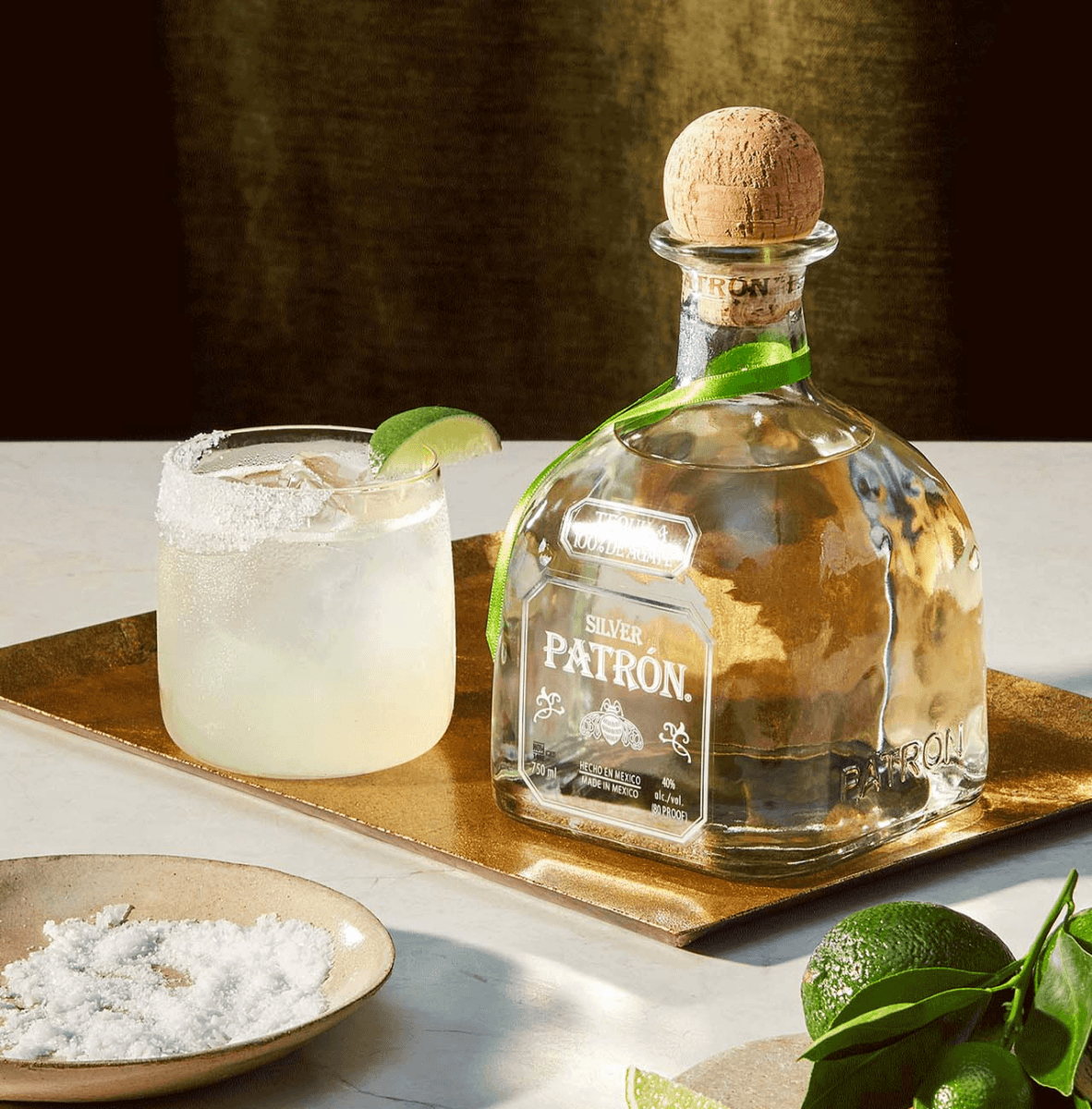
Where would Australia be as a country without the classic Margi? If the UK has the Bloody Mary, Brazil has the Caipirinha, and the Americans have the Manhattan, there's something about a perfectly shaken Margarita that just feels right in the warmer climes of Australia's easy-going drinking culture.
Traditionally, a proper Margarita follows the 3-2-1 ratio: 3 parts tequila, 2 parts orange liqueur (good triple sec, usually Cointreau), and 1 part fresh lime juice, usually the juice of half a lime. For my taste, I always add a touch of simple syrup to round out the edges, just enough to balance the sharpness, but never so much that it masks the tequila.
The goal is a Margarita that's lime and tequila heavy, with the orange liqueur adding some depth and mouthfeel. Served straight up, on the rocks, or with a salted rim, it’s a cocktail that’s as versatile as it is iconic, perfect for celebrating National Cocktail Day or any excuse to raise a glass.
Whisk(e)y
Old Fashioned
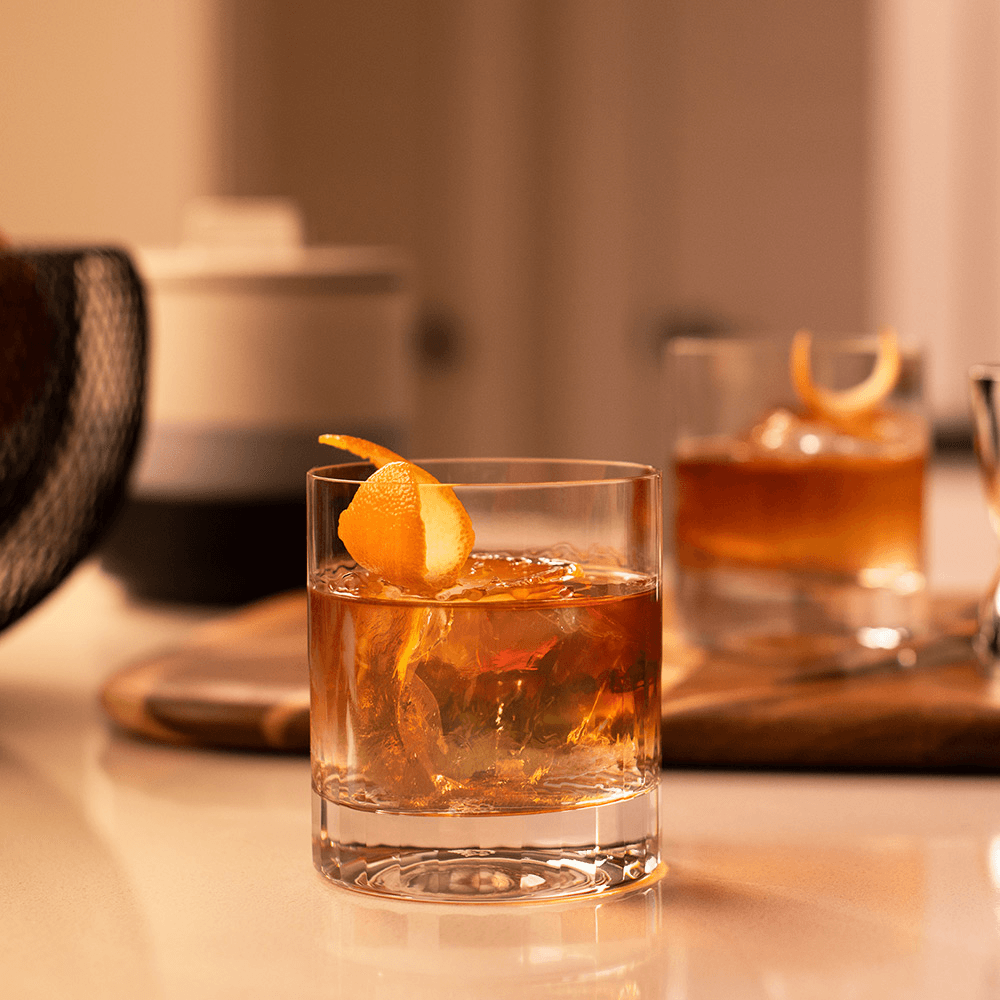
We can't jump into whiskies without championing the most iconic cocktail of them all: The Old Fashioned. Often cited as the cocktail that launched the modern cocktail era, it can be traced back to the days of the early 19th century, when the term “cocktail” was coined in print as a mixture of spirit, sugar, water, and bitters. Essentially, what we now call an Old Fashioned today.
For many whisky drinkers, it can feel like the gateway cocktail that you order when you're slowly getting familiar with your favourite distilleries, usually jumping between a classic American bourbon or more complex Rye. For me, at least, it felt like a rite of passage. And although my whisky serves are generally neat, I'll always have a soft spot for this classic mix.
Whisky Sour
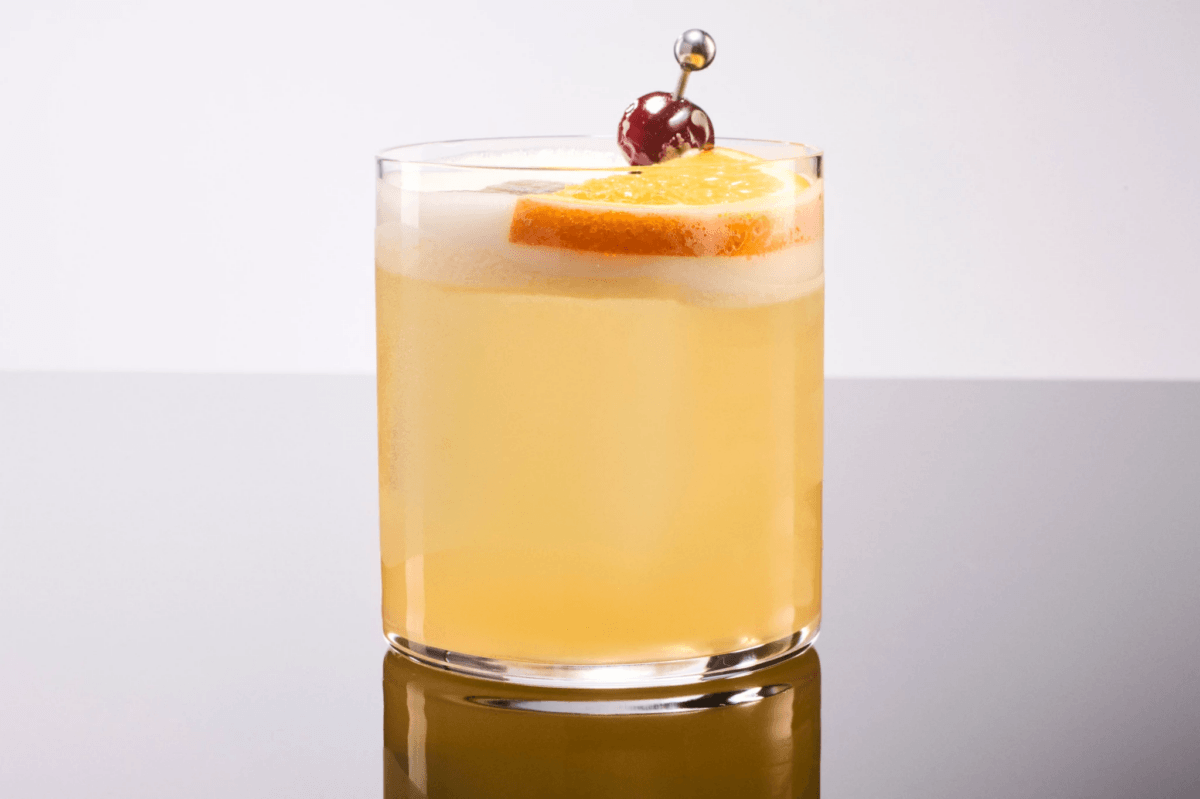
First appearing in the mid‑1800s, the Whisky Sour is part of the broader “sour” family, cocktails that combine a base spirit, fresh citrus juice, and a sweetener. Supposedly, they became the drink of choice for boozy sailors to ward off scurvy, with lots of booze and citrus for long voyages through the deep blue. If you ask me, it sounds like a reason to get pissed for health reasons. But we all love a good origin story.
From jazz clubs to roadside diners, the classic Whisky Sour took on life of its own and was quickly found within every establishment across the US, popularised for its silky, foamy mouthfeel and classic tart character. It's well-worth a shake this National Cocktail Day.
Manhattan
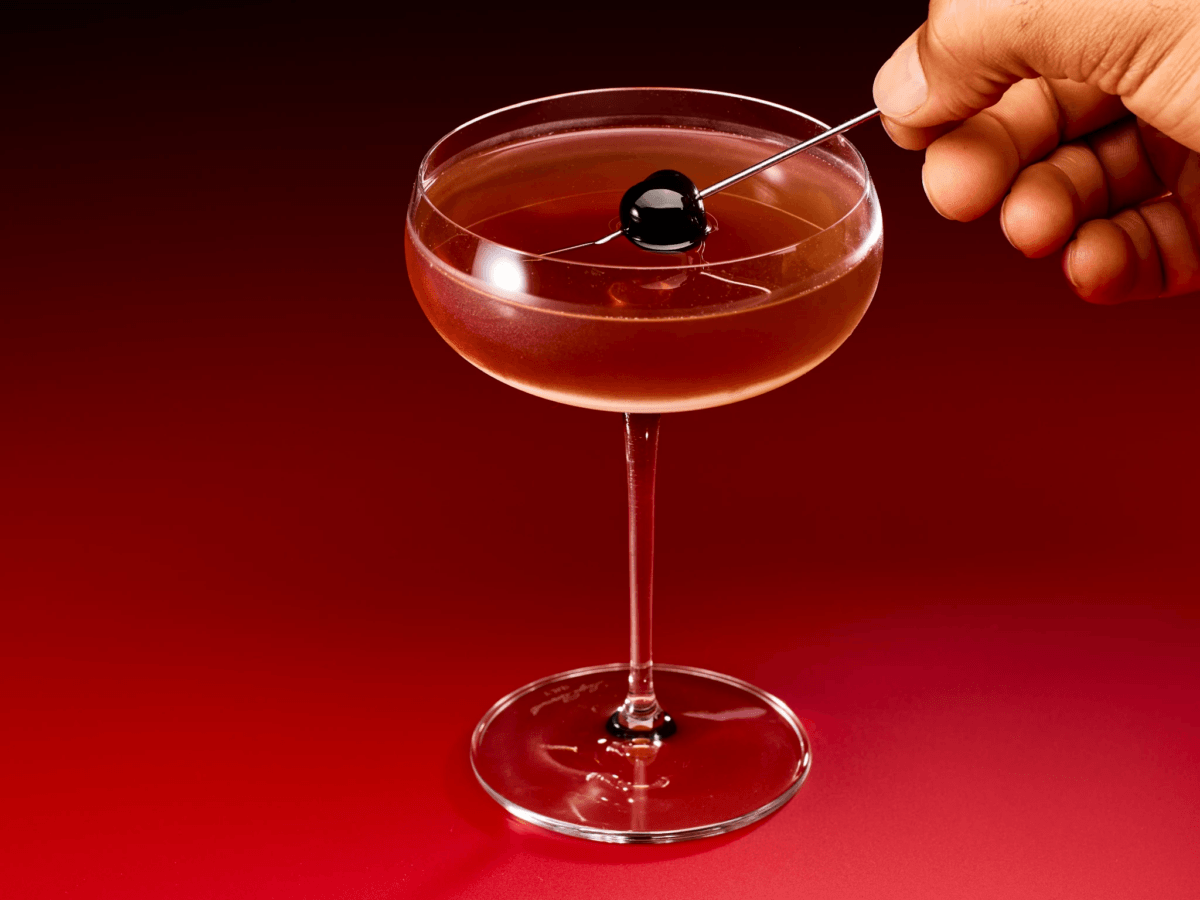
Classic, smooth, and a little decadent, the Manhattan is a modern icon of the cocktail world, with roots back to the inception of American drinking culture.
Legend places its invention in the early 1870s at the Manhattan Club in New York City, where it was reportedly mixed for a banquet hosted by Lady Randolph Churchill (Winston Churchill’s mother). Whether fact or fiction, the Manhattan quickly became associated with sophistication and urban nightlife, embodying the energy of late‑19th‑century New York.
Today's iterations keep the magic of the original alive with a classic ratio of whisky (often rye), sweet vermouth, and bitters, though bartenders will often experiment with new and innovative whisky and vermouth profiles to give their own contemporary twist on a historic classic.
Boulevardier
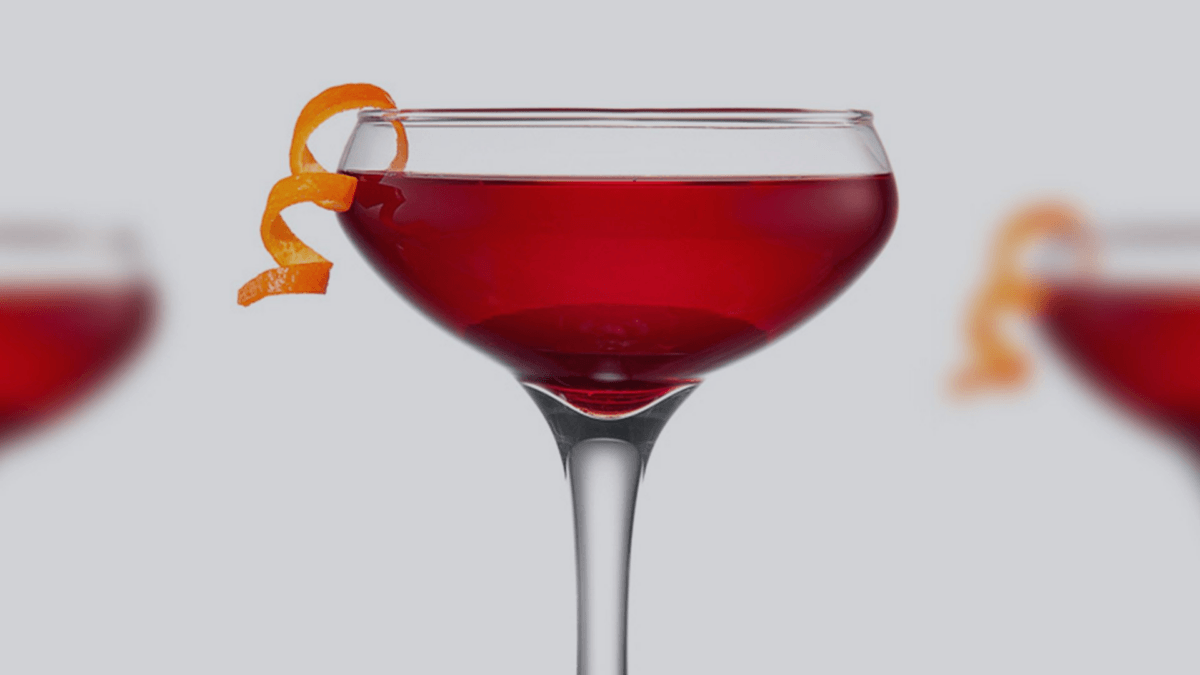
Whisky’s answer to the Negroni, the Boulevardier is one to order at the bar to impress your coworkers (mainly that you can even pronounce it correctly). I've long been a big supporter of the Negroni, but I'm quietly waiting for the day it releases its firm grip on literally every bloke in a gilet on a Thursday night. There's more to life than this bittersweet symphony, and I'm hoping you'll give the Boulevardier a go.
Credited to American socialite Erskine Gwynne, who published a literary magazine called The Boulevardier in Paris, the drink essentially swaps gin for whisky in a Negroni’s equal parts formula of spirit, bitter, and sweet: bourbon or rye, Campari, and sweet vermouth. It's silky, boozy, with a classic character.
Penicillin
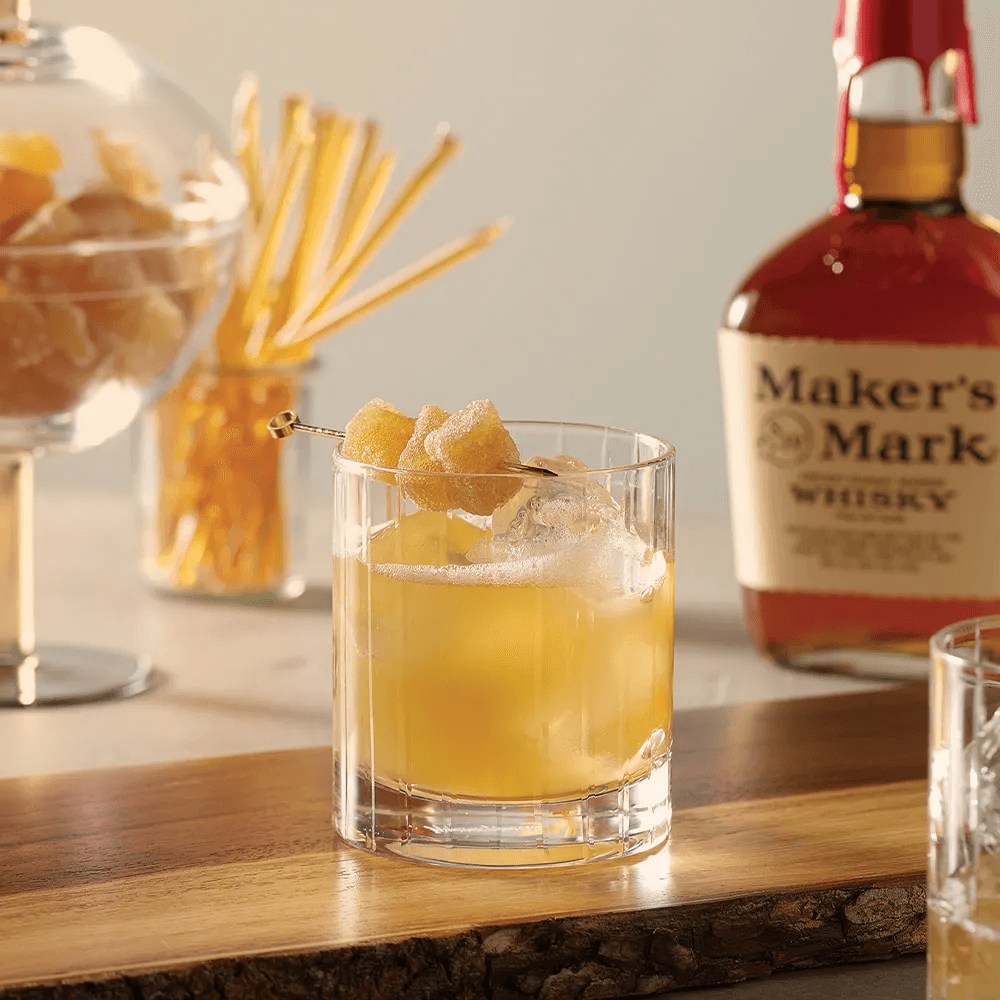
One of the younger recipes in our list, the Penicillin gets its name from the cocktail’s medicinal vibes, combining blended Scotch with fresh lemon juice and honey‑ginger syrup. Kind of like cough syrup. But boozy. Still, I wouldn't be surprised to see this one actually stave off any cold.
It was created in the early 2000s by Sam Ross, a renowned bartender in New York City’s craft cocktail scene, who wanted to make a whisky drink that was both smoky and sweet. He ended up with the Penicillin, and it's since become a staple on menus globally, emblematic of the early‑21st‑century obsession with elevated whisky cocktails and unconventional flavour pairings.
Vodka
Espresso Martini
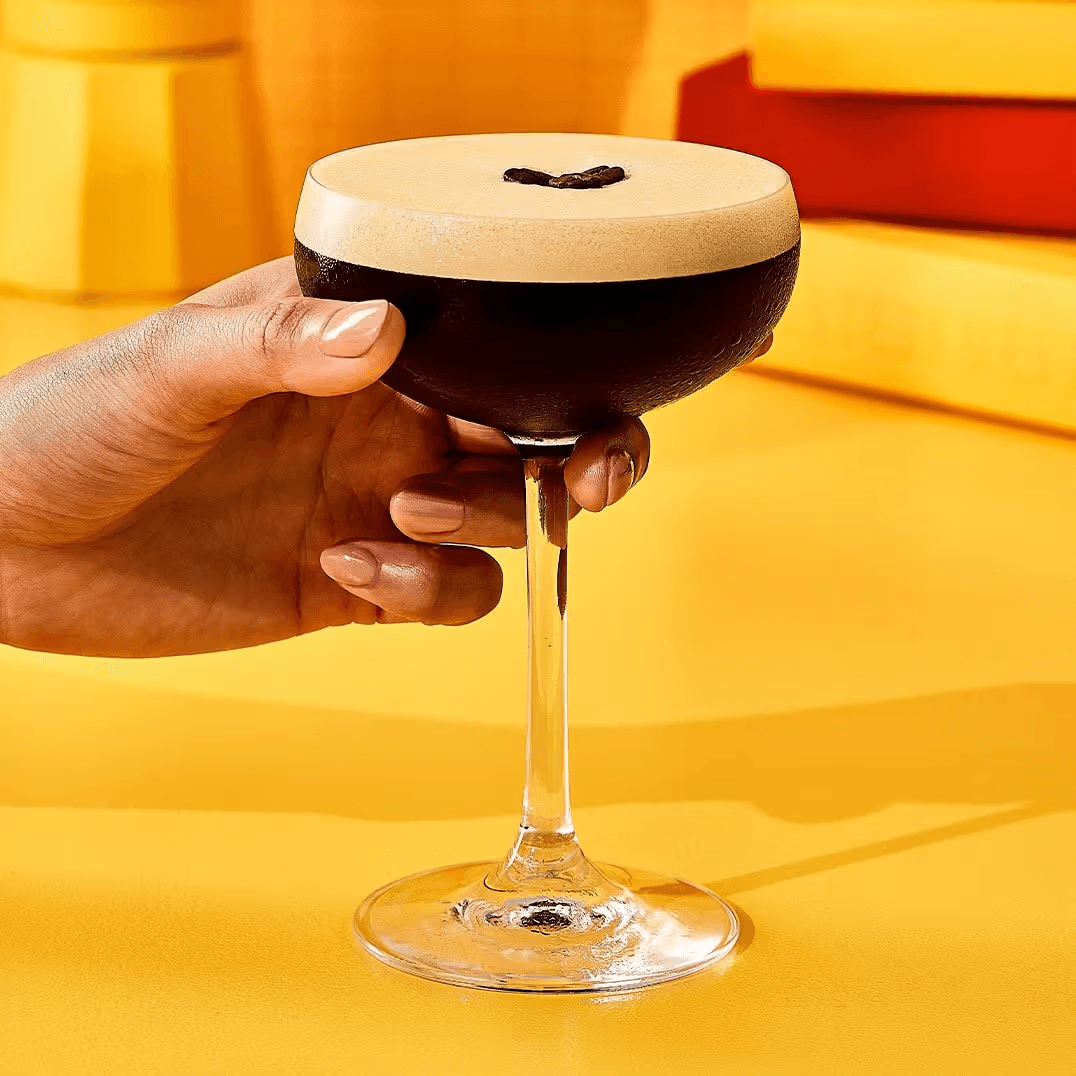
"Wake me up, and f–k me up." That was the legendary brief when a young model walked into a London bar, launching the Espresso Martini into orbit in the mid-1980s, and it never looked back.
The bartender Dick Bradsell combined vodka with espresso and coffee liqueur, shaking it vigorously to create a smooth, frothy layer on top. The result was a cocktail that balanced bitter, sweet, and boozy in one elegant pour. It's now become one of the defining cocktails of modern drinking culture.
Bloody Mary
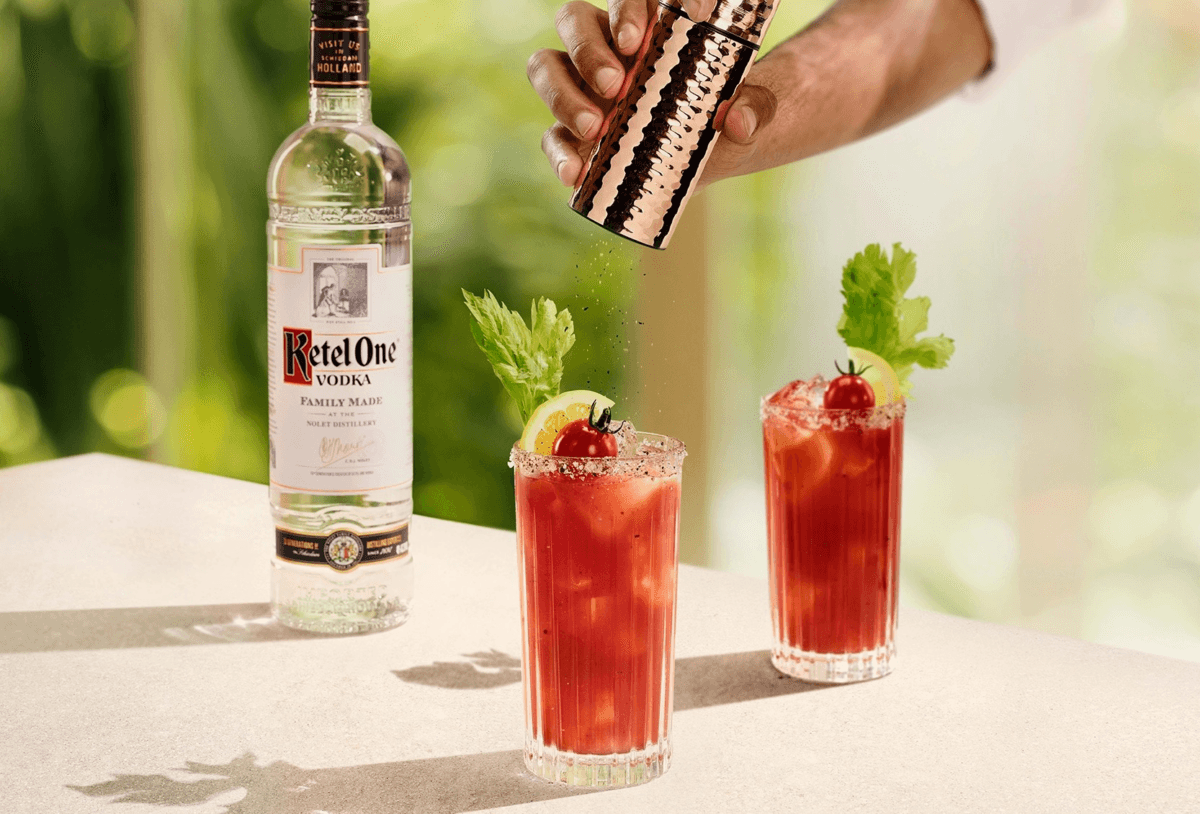
The classic hair of the dog pick me up, the Bloody Mary is often as divisive as Vegemite in the drinking community, neither a late-night cocktail nor a comfortable mid-afternoon sipper. I love it, I should say. It's the perfect combination of sweet, savoury, and spicy. And an excuse to start early during a Sunday brunch slot.
Its origin is debated, but most sources point to the 1920s–30s in Paris or New York. Whoever invented it, I thank you. Though in Australia, it's almost impossible to order one before Midday.
White Russian
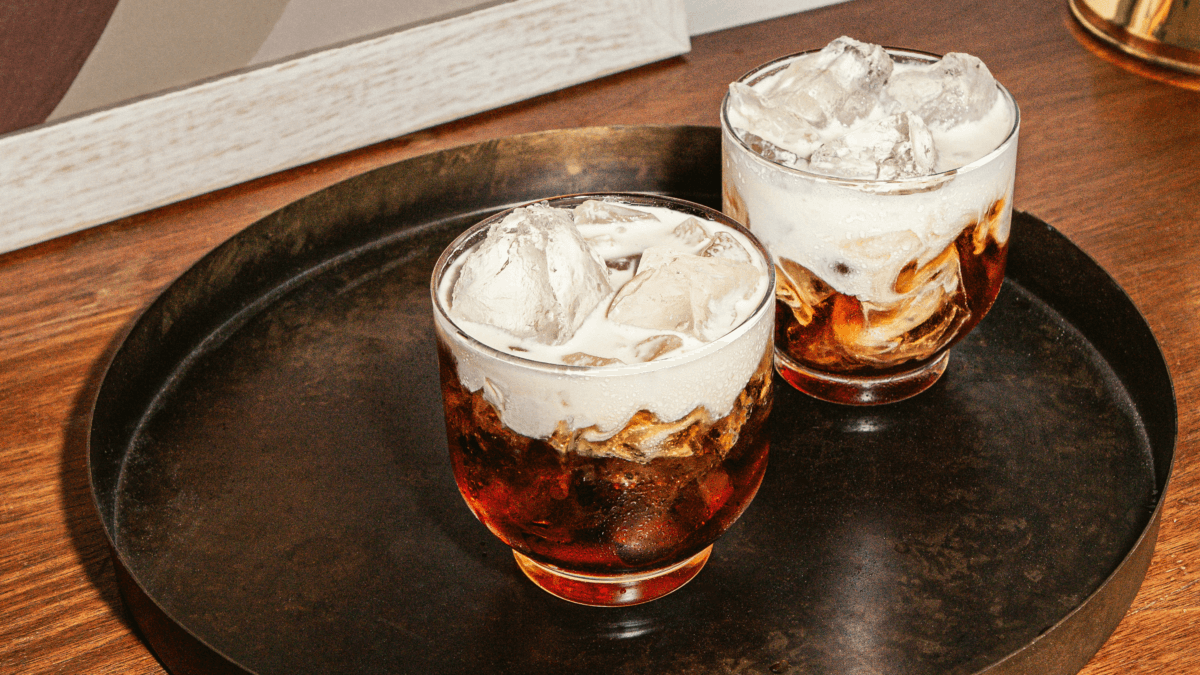
Made famous by Jeff Bridges' loveable Dude in The Big Lebowski, the White Russian combines vodka, coffee liqueur (like Kahlúa), and cream or milk, and if the movie is anything to go on, can be drunk at any hour of the day. Though we recommend you drink responsibly.
The drink originated in the mid-20th century as a variation of the Black Russian, with the addition of cream softening the cocktail into a dessert-like indulgence. It's certainly one of the richer recipes on this list, acting like a boozy dessert in a glass. The perfect midweek sauce to down during a couple of games down the bowling lane. Cardigan not included.
If you enjoyed this list of Boss Hunting's favourite cocktail recipes, you might enjoy some of our other guides to drinking better (not more) below: