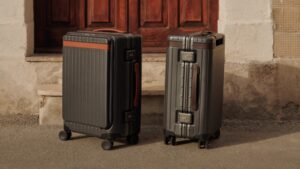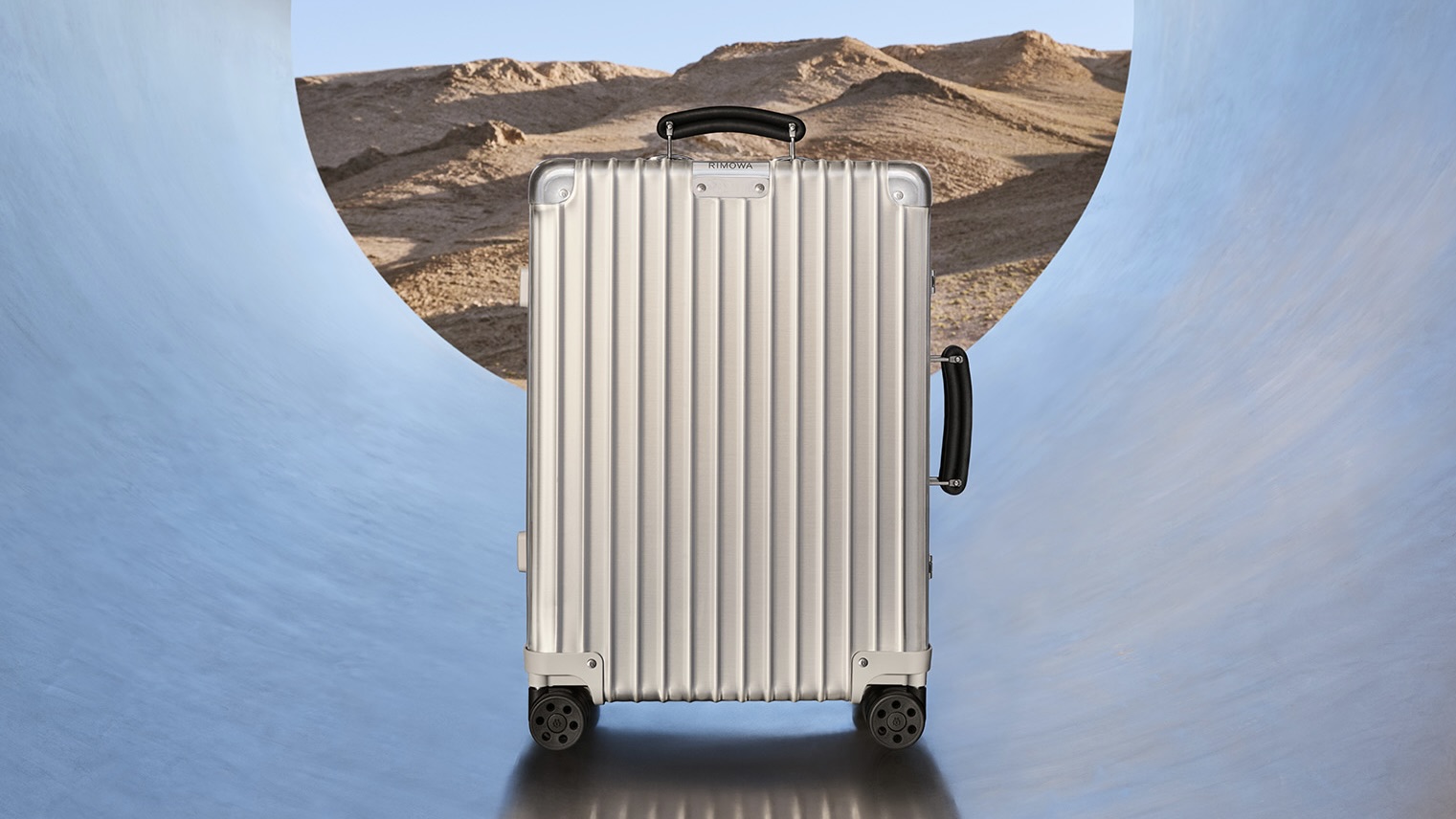

There’s a familiar moment to anyone who travels regularly. You round the corner of an airport luggage carousel and spot the unmistakable silver flash of aluminium gliding towards you on the belt. No label. No branding. You know exactly what it is: a RIMOWA suitcase.
This instant recognition is the stuff of marketers’ dreams, and one that’s only come about after more than 125 years of engineering and one of the most brilliantly executed brand revivals the luxury industry has ever seen. From humble beginnings to a global powerhouse, RIMOWA is a case study in how material choices and a clear focus on quality won the trust of the jet-setting elite.
Bechergasse Beginnings
The story begins in 1898, when the RIMOWA we know today was founded as Görtz & Morszeck. The men behind the business, Paul Morszeck and Heinrich Görtz, originally imagined it as a saddle-making company, but not long after they opened, they expanded into custom leather-coated plywood suitcases. What set them apart from other suitcases was their cleverly integrated system of hangers and drawers, which allowed owners to easily organise their belongings.
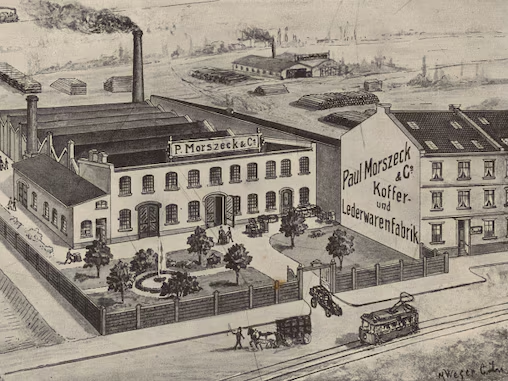
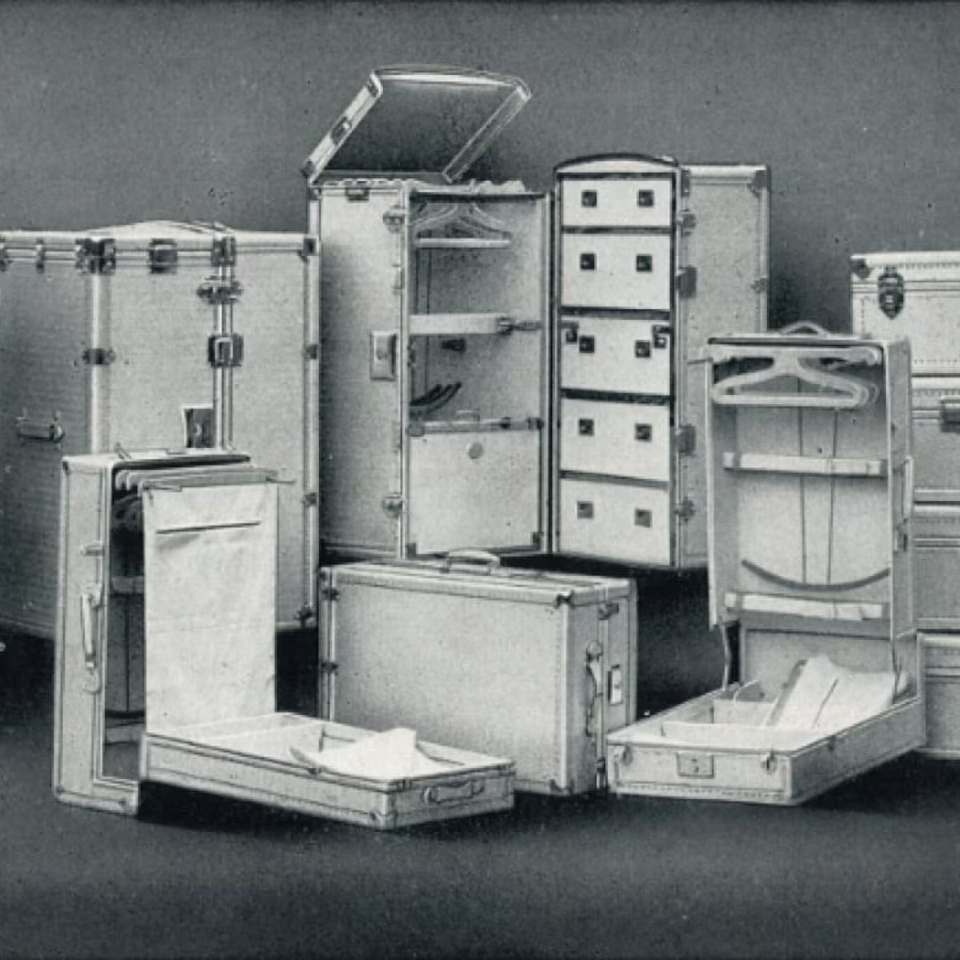
A few years passed, Morszeck brought his son, Richard, in to help him, and around the early ‘30s, Paul handed the reins of the company over to his son. With total creative freedom, Richard began experimenting with a range of different materials, one of which was the aluminium that had become famous in the area thanks to a very special aircraft: the Junkers F 13.
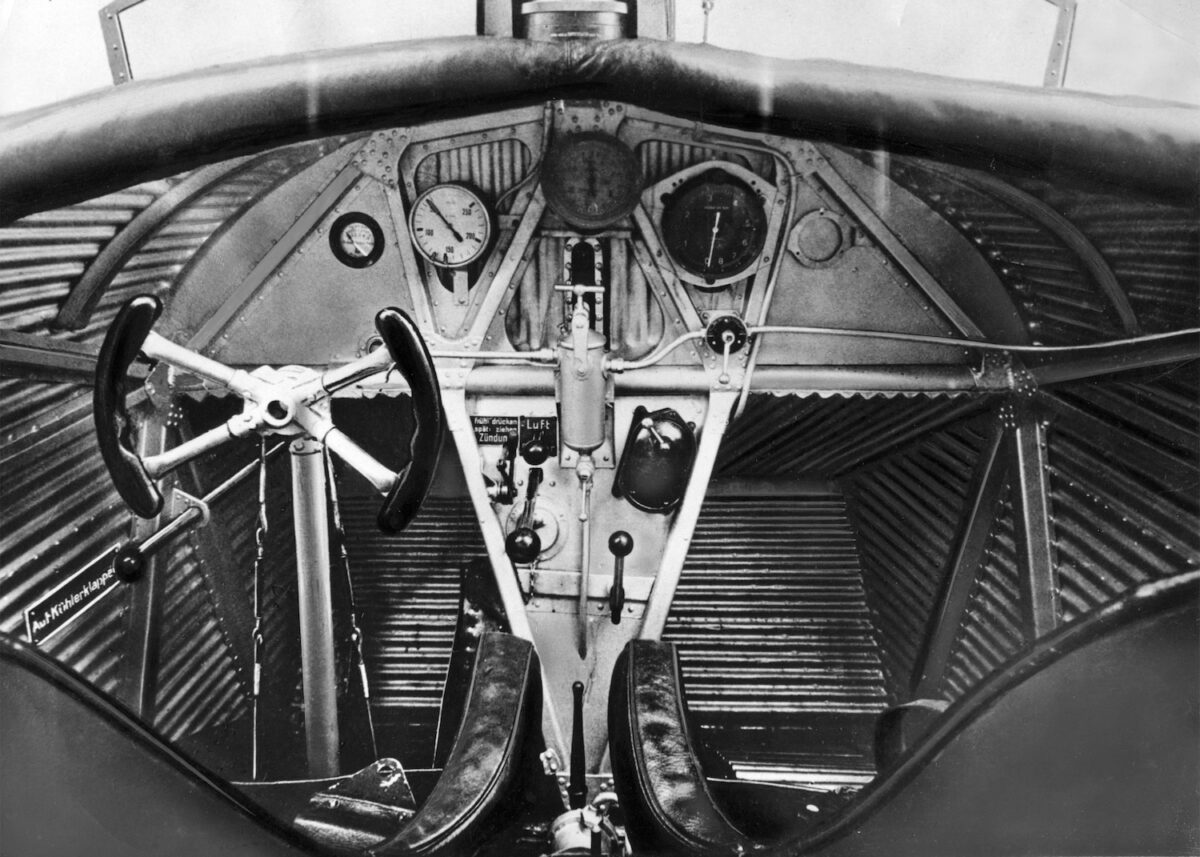
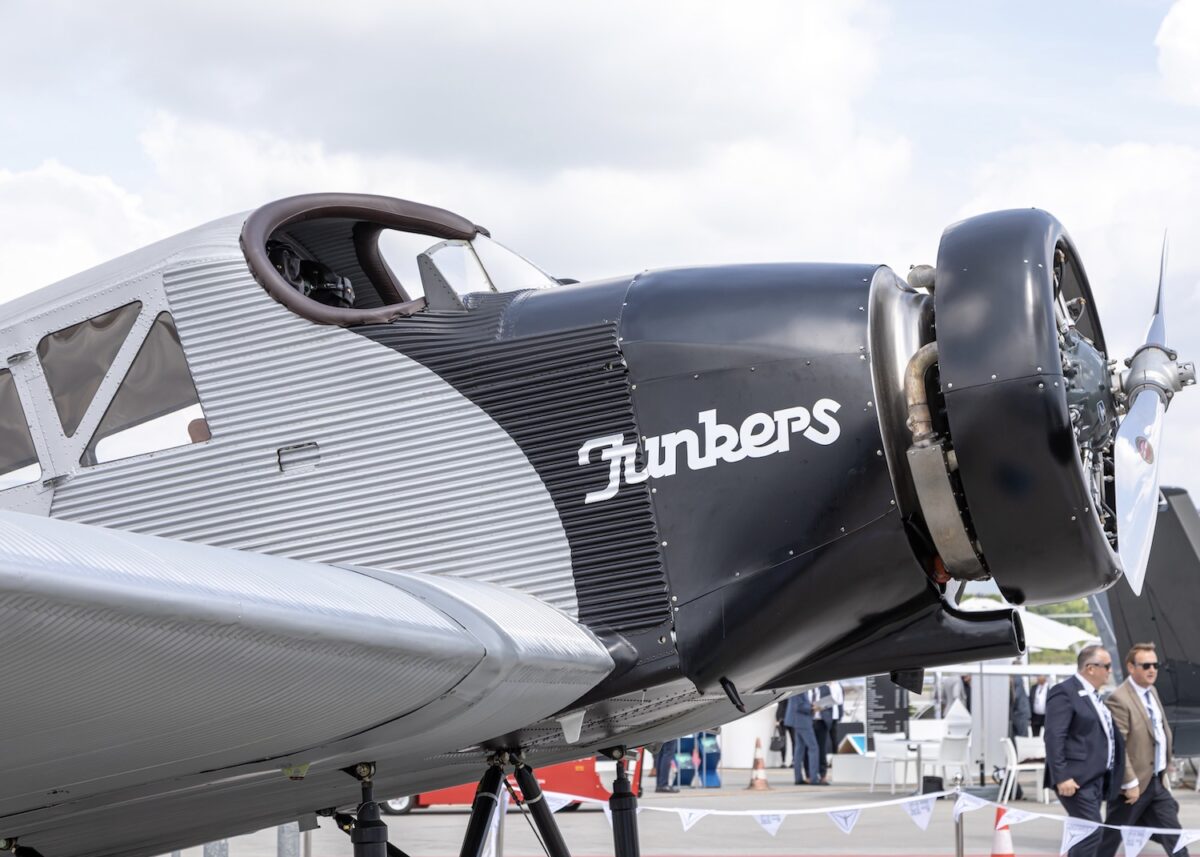
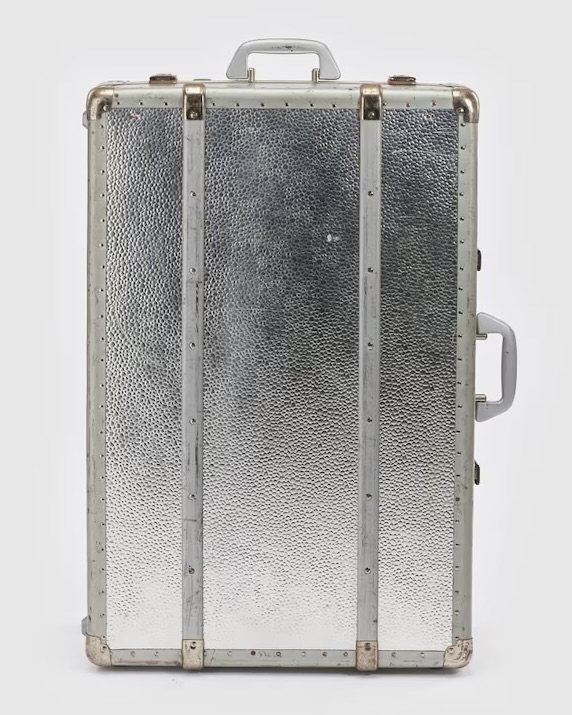
Richard’s decision to experiment with aluminium wasn’t just a subtle nod to the growing business of commercial aviation; it also proved critical in the most catalysing event in RIMOWA’s history. As the legend goes, a fire ripped through Richard’s warehouse and by the time it was extinguished, only the aluminium suitcases had survived. With nothing else to sell, Richard launched the brand’s first fully aluminium suitcase not long after and renamed the company RIMOWA: an acronym for Richard Morszeck Warenzeichen (the German word for trademark).
By the 1950s, Richard introduced the now-iconic grooves into the surface of his aluminium suitcases, which were more than a simple decorative choice. They reinforced the structural integrity of the aluminium shell and distributed the potential strains of travel just like how corrugated aircraft fuselages distribute the stresses of flight.
In a moment that most industrial designers never experience, form and function met in perfect harmony.
RIMOWA’s next ground-breaking material choice came in the mid-’50s, when it decided to use polycarbonate elements in its suitcases. Remarkably, it was the same material that NASA used a decade and a half later for the lunar landing astronaut helmets. It wasn’t until the turn of the millennium that RIMOWA’s third-generation owner, Richard’s son Dieter, introduced the first fully polycarbonate suitcase in a move that further improved strength-to-weight ratios. A new industry standard was set.
By this point, the brand had established something exceptionally rare: a brand with a coherent design language, a genuine manufacturing philosophy, and a loyal following among exactly the kind of globe-trotting professionals who could afford to be selective. Thanks to his focus on materials, quality, and design, Dieter Morszeck’s RIMOWA suitcases had become the global companion of choice for an already sophisticated group of travellers.
What it lacked was cultural relevance to a new generation, which is exactly where global luxury’s most powerful family stepped in.
The LVMH Effect
It was 2016 when Alexandre Arnault, the son of legendary businessman and LVMH chairman Bernard Arnault, was named as the new CEO of RIMOWA. While the 121-year-old German luggage maker had a loyal following among travellers, especially in China and the rest of Asia, its slightly dusty image was in need of a refresh and as a long-time fan of RIMOWA, Alexandre Arnault travelled to Cologne to meet the owner. Within a year, RIMOWA was part of LVMH.
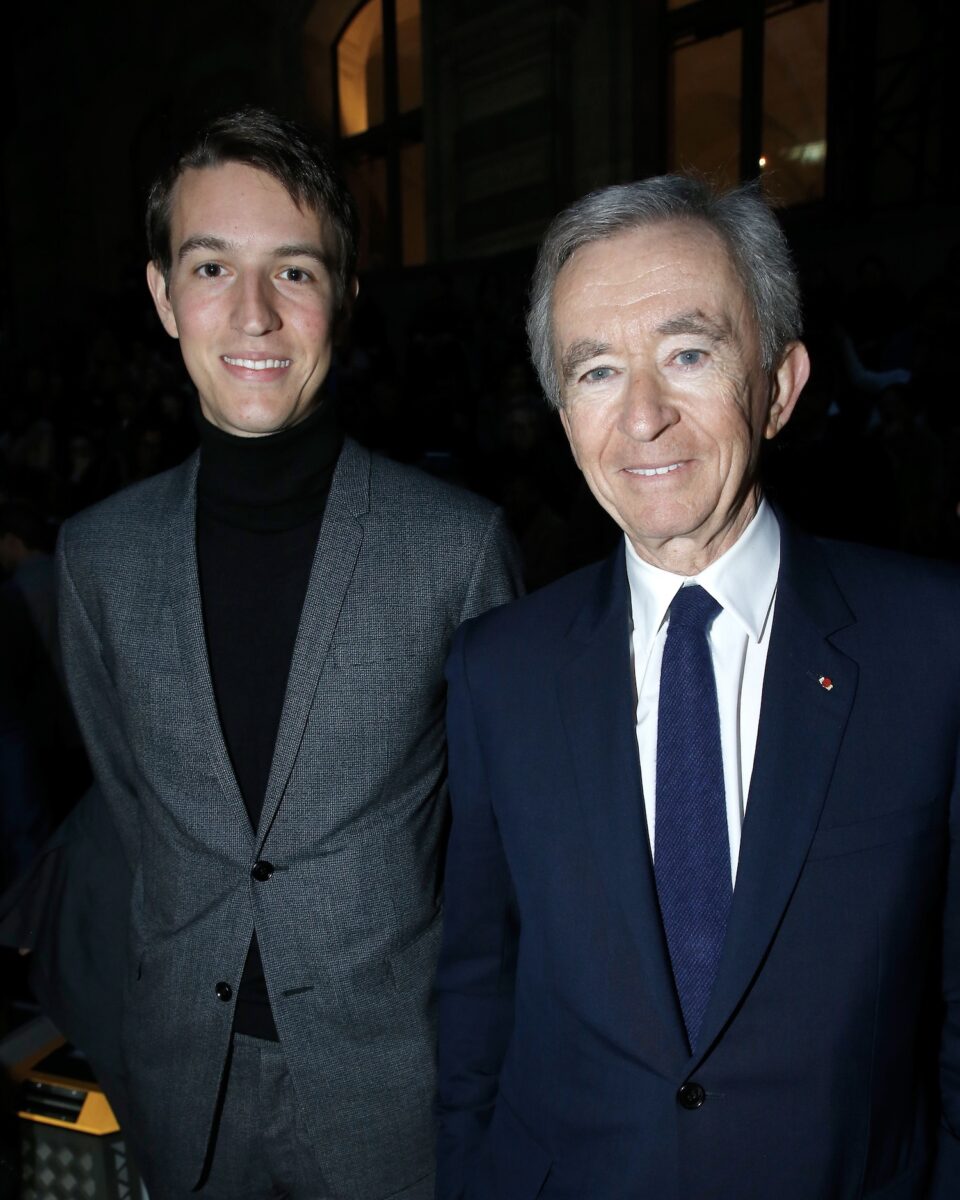
LVMH acquired an 80% stake for €640 million (~AU$952 million), which was a significant price, especially when you consider that in 2015, the year before the deal was inked, RIMOWA generated just €440 million (~AU$651 million) in sales.
In its first two years as part of the group, sales fell even further as Arnault made the move to cancel hundreds of wholesale arrangements (accounting for about 85% of the business) and cut down the number of places it could be bought, which had reached more than 5,000. Deliberately pulling back distribution was the first step in regaining control of RIMOWA as a brand, and one that proved pivotal in cementing its future position in the market.
Arnault, alongside Chief Brand Officer Hector Muelas, developed a new logo, monogram, visual language, and packaging, leaving the pill-shaped frame and rounded letters of the former logo in the past and instead taking on a cleaner and more contemporary look. Arnault also got to work on a plan to boost RIMOWA’s cultural resonance by animating the brand through storytelling.
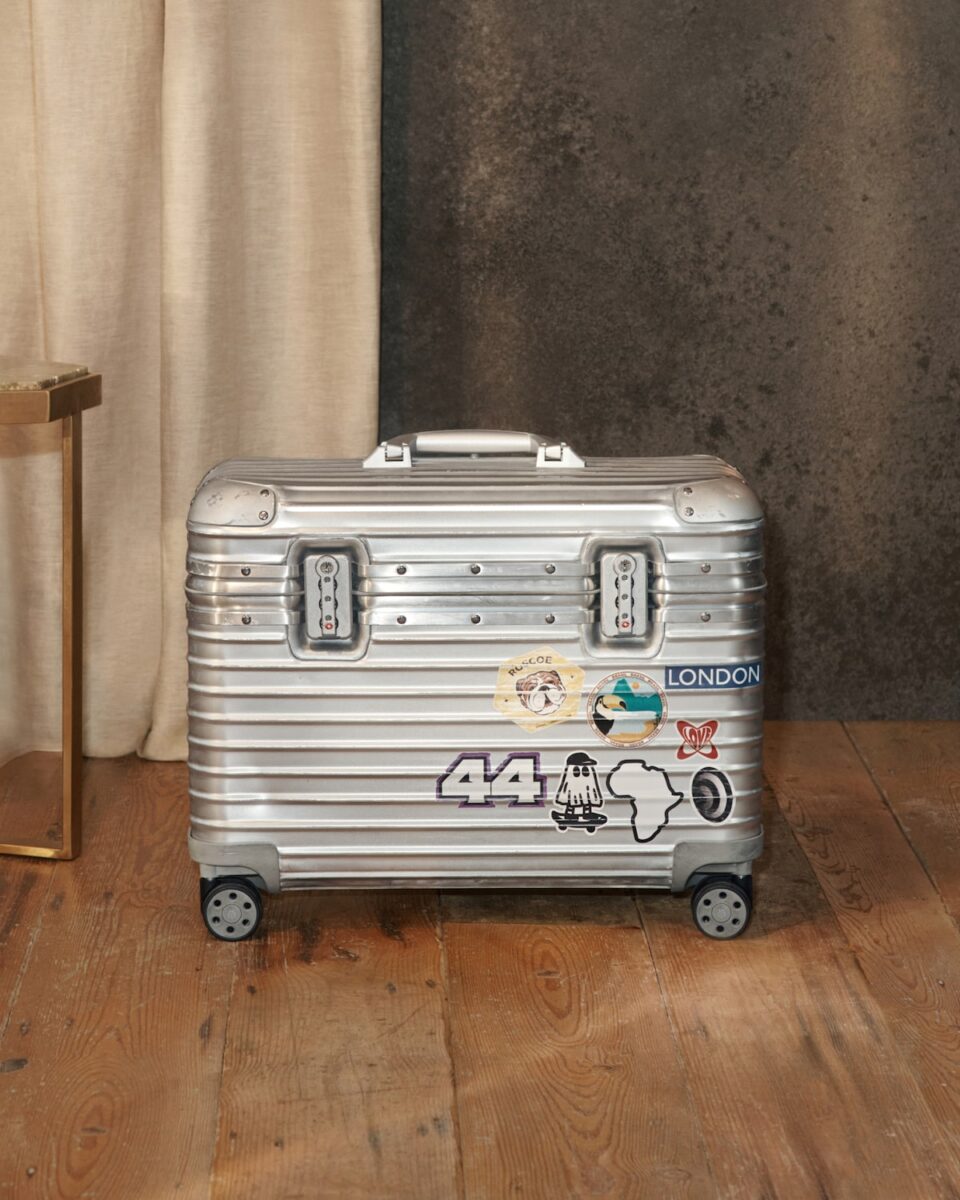
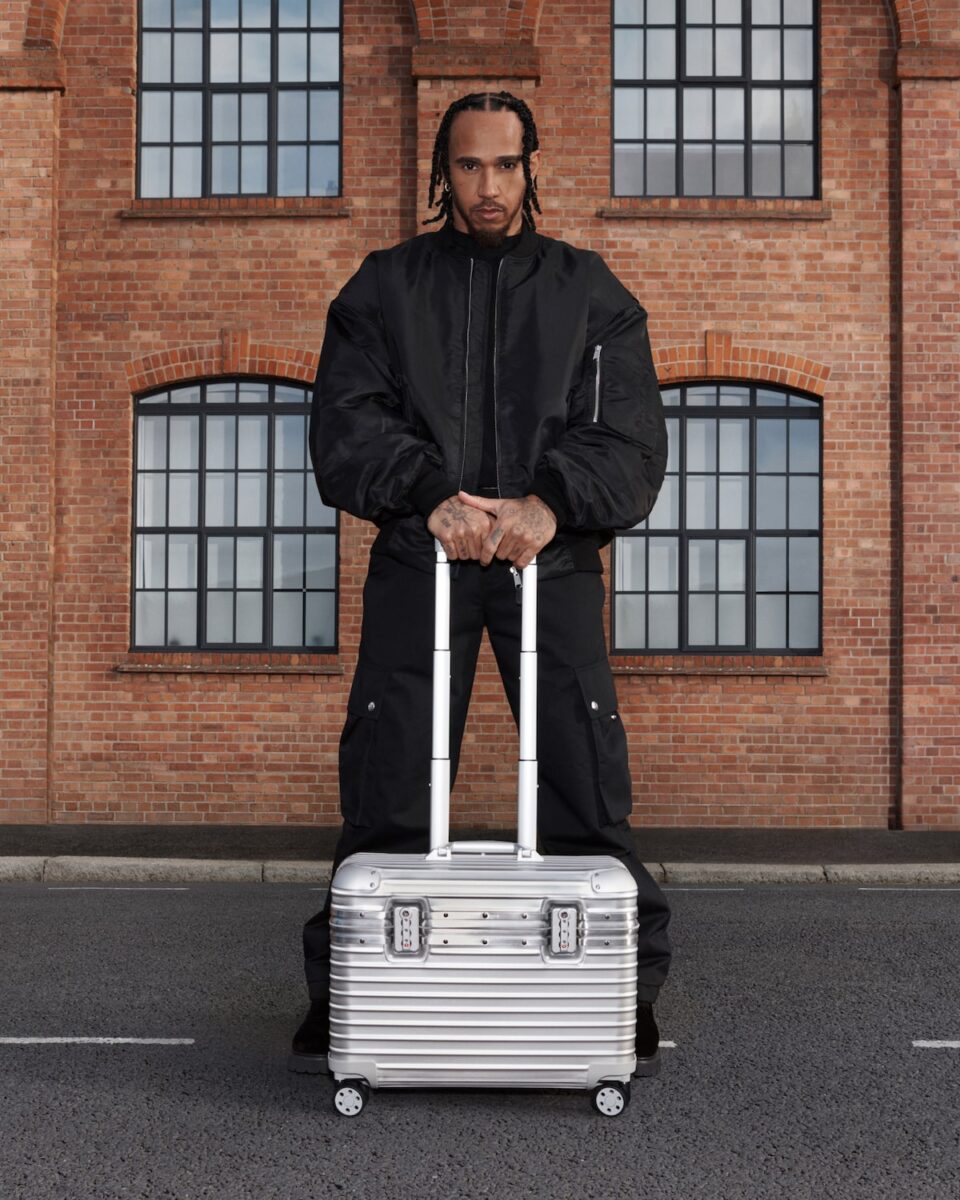
The brand already had plenty of famous globe-trotting fans, including Roger Federer, LeBron James, and Virgil Abloh, who were all more than happy to appear in RIMOWA’s now-famous “Never Still” campaigns.
The success of these campaigns continues to be that they aren’t simple celebrity endorsement moments in a traditional marketing sense. Instead, they’re a curation of cultural figures who already used the product, and are more than happy to show off their collection of suitcase stickers and surface dings, while telling the stories that come with luggage they’ve travelled the world with.
The Collaboration Decade
Building on this early marketing success, the next step that accelerated RIMOWA’s cultural transformation was its collaborations, with each partnership speaking to a different cultural group without diluting the core message of the product.
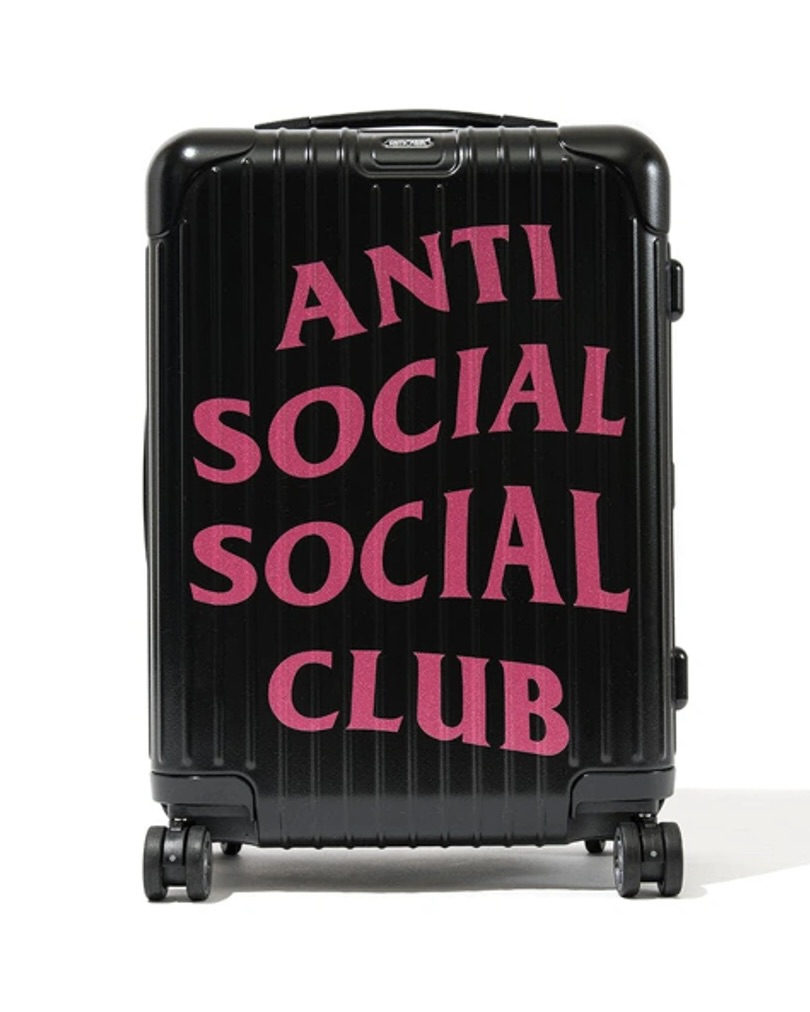
In 2017, RIMOWA pulled the covers off its partnership with Anti Social Social Club, revealing a black suitcase with Anti Social Social Club branding in glittery pink, alongside a capsule collection in the same shades. Then, it was the turn of Fendi, the first LVMH house to collaborate with RIMOWA and one that put the brand squarely in the context of luxury fashion.
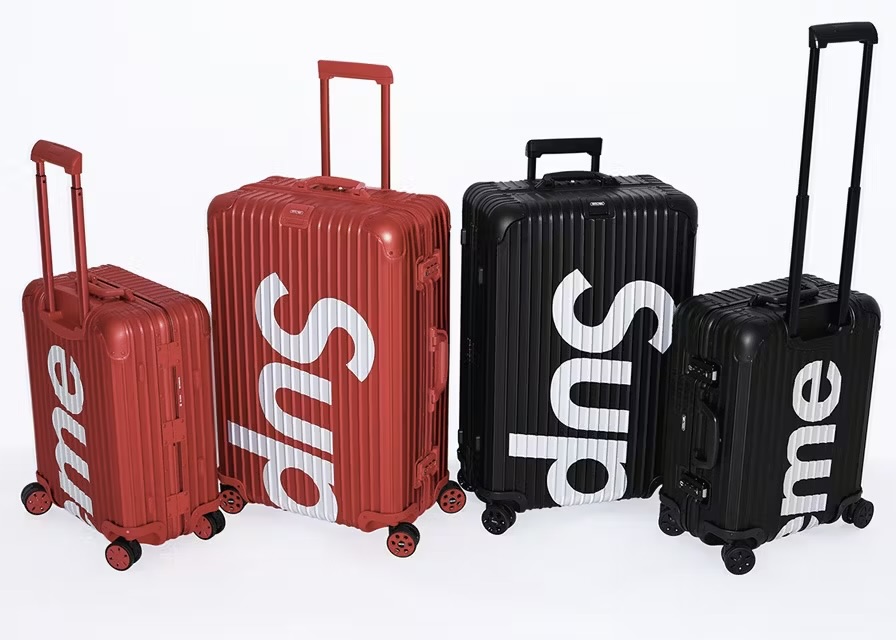
One of the most culturally significant moments came with RIMOWA’s Supreme collaboration, which sold out in just 16 seconds. Released around the middle of 2018, the partnership with Supreme is probably the one that popularised the brand among younger audiences around the world. In classic Supreme style, the drop included four aluminium suitcases across two sizes, in both red and black colourways.
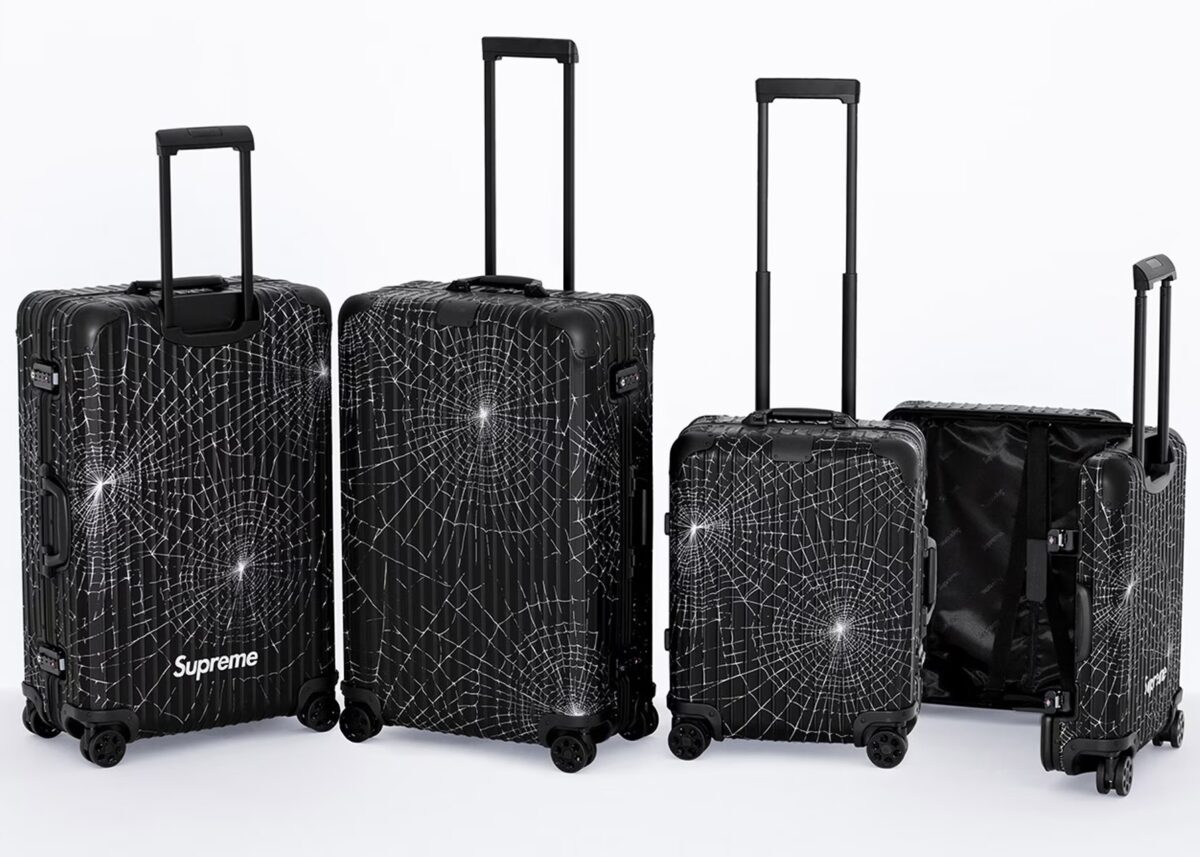
A year later, the two brands were back at it again, announcing a second drop in a black colourway with a spider canvas print inspired by Supreme’s FW16 collection. Despite prices arriving between US$1,600 (~AU$2,300) and US$1,800 (~AU$2,600), the release sold out almost immediately and went on to resell for over US$3,000 (~AU$4,300). Today, the Supreme RIMOWA Check-In L still trades for $3,200.
As significant as the Supreme collaboration was, there are levels to every game, and it was the Off-White collaboration that changed the conversation entirely. The capsule collection launched with a completely transparent polycarbonate suitcase based on the Essential, titled “See Through”, and an all-black Original case labelled with the words “Personal Belongings” in Off-White’s signature block lettering and branded luggage belt.
The global cultural impact was massive, especially in Asia, where Off-White was already massively popular. According to Gartner’s Luxury China: Streetwear Insight Report, the link-up between RIMOWA and Off-White was responsible for a massive 94% of RIMOWA’s engagement on Weibo, delivering the highest daily Baidu Index score for the brand between January 2018 and March 2019.
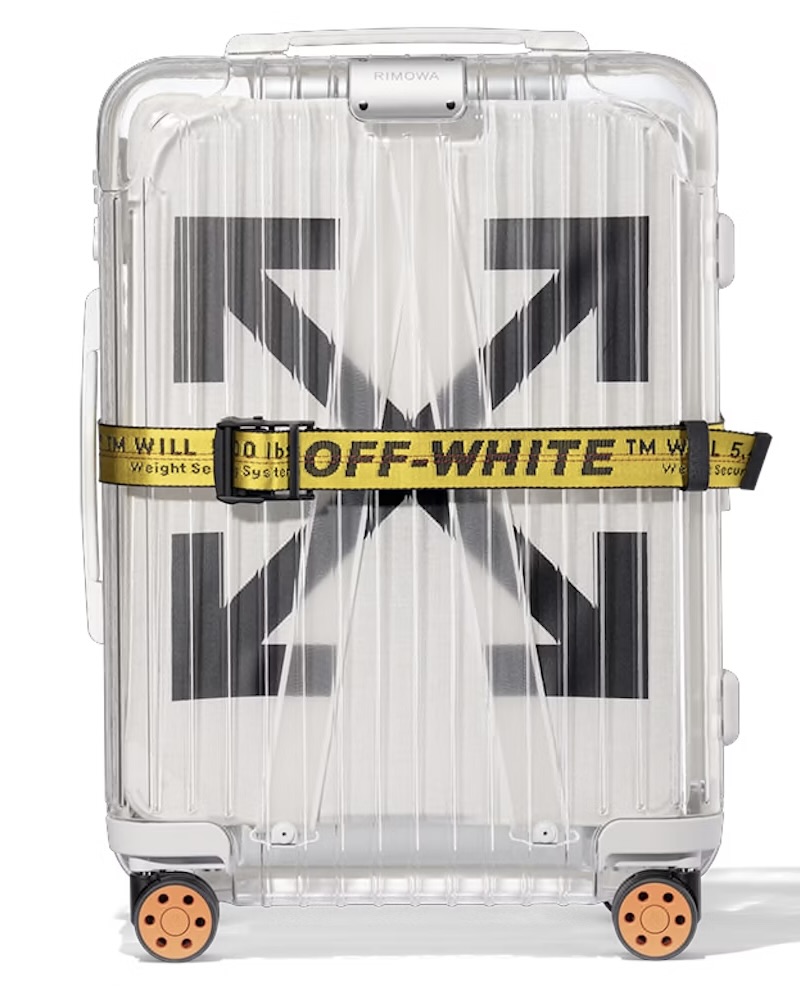
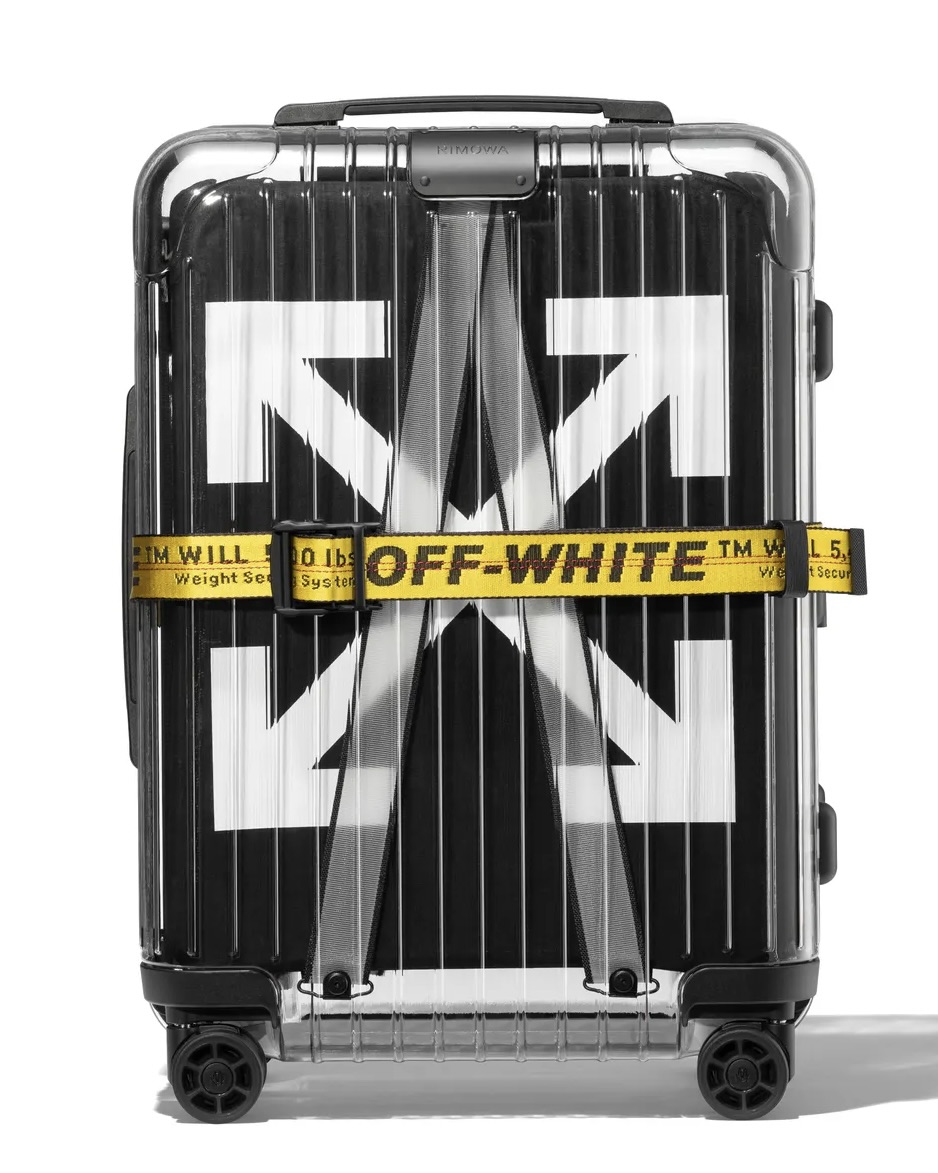
Abloh described what he created for RIMOWA as transparency designed to let consumers participate in the design process. “It’s like 3.0 of personalisation. It’s not just putting your initials on it but allowing another layer to come into play,” he explained. “There’s an emotional component to owning it, and you become a performance art piece just by using the thing.”
The final noteworthy collection came in the same year, when RIMOWA partnered with Dior, releasing custom versions of the Original Cabin and Original Trunk suitcases featuring the Dior Oblique design. It debuted on Dior’s summer runway in Paris, and finally, the German luggage maker had arrived on one of the biggest luxury fashion runways in the world.
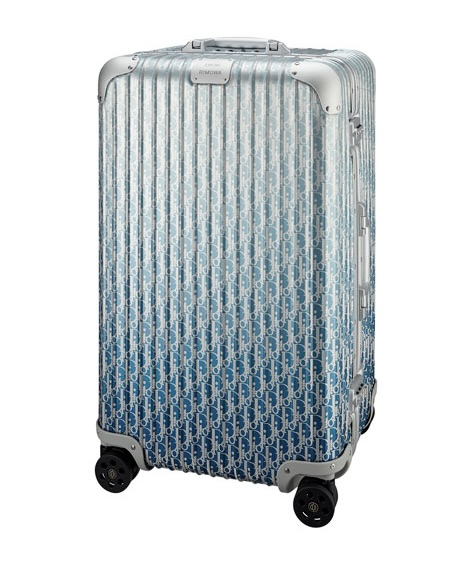
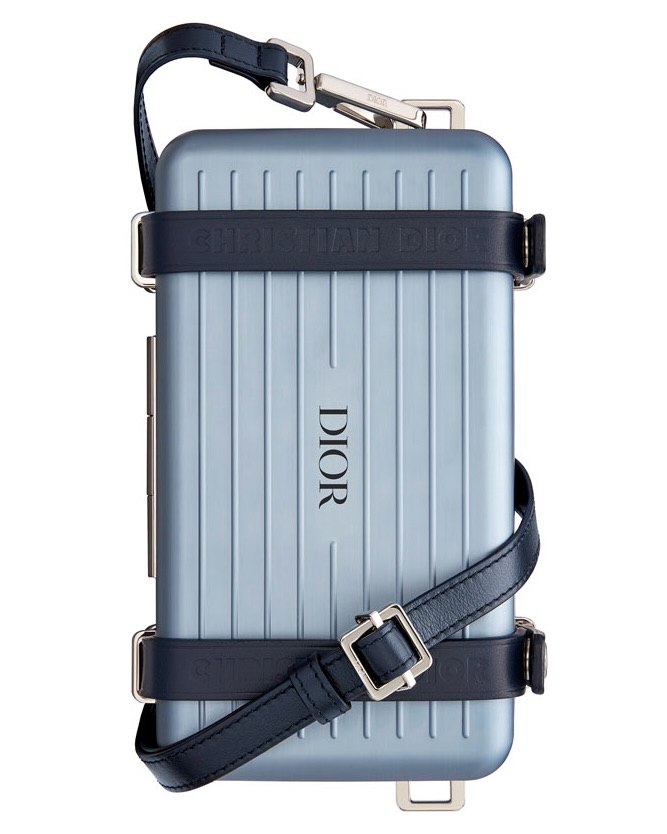
The through-line of all these collaborations was Arnault’s refusal to treat them as a demographic exercise.
“One thing we have voluntarily never done is have a collaboration committee where we say, ‘Okay, we need to target 18-34-year-olds that have this net worth because we need to be cool with Millennials,'” he said. “A lot of brands are doing that today. As a Millennial myself, I think it’s very dangerous and scary, because when a brand targets me like this, I feel it immediately, and I kind of run away.”
Instant Recognition
The broader cultural shift that RIMOWA benefitted from (and helped accelerate) was the transformation of the airport from a liminal transit space into a social arena. The ritual of passing through airport security shifted from being part of a commute to an aesthetic performance.
“In Paris during fashion week, I think I counted 27 RIMOWAs on one flight,” says Nolan Meader, a New York City-based personal stylist and fashion consultant who flies with one of his own up to 40 times a year. “Now that people are travelling more, they want things that are reliable and convenient, but also, it is a bit of a status thing.”
This evolution of RIMOWA’s aluminium suitcase was a carefully calculated repositioning within the market, and one that made the most of both good design and scarcity to transform what was once a boring travel accessory into an opportunity for personal branding.
This element of personal branding was further underscored by the most important sign of a well-loved, well-travelled RIMOWA suitcase: stickers. Spotting a pristine RIMOWA in the airport is one thing, but seeing a suitcase covered in decals from cities, events, and cool brands has become the patina of a life well-lived.
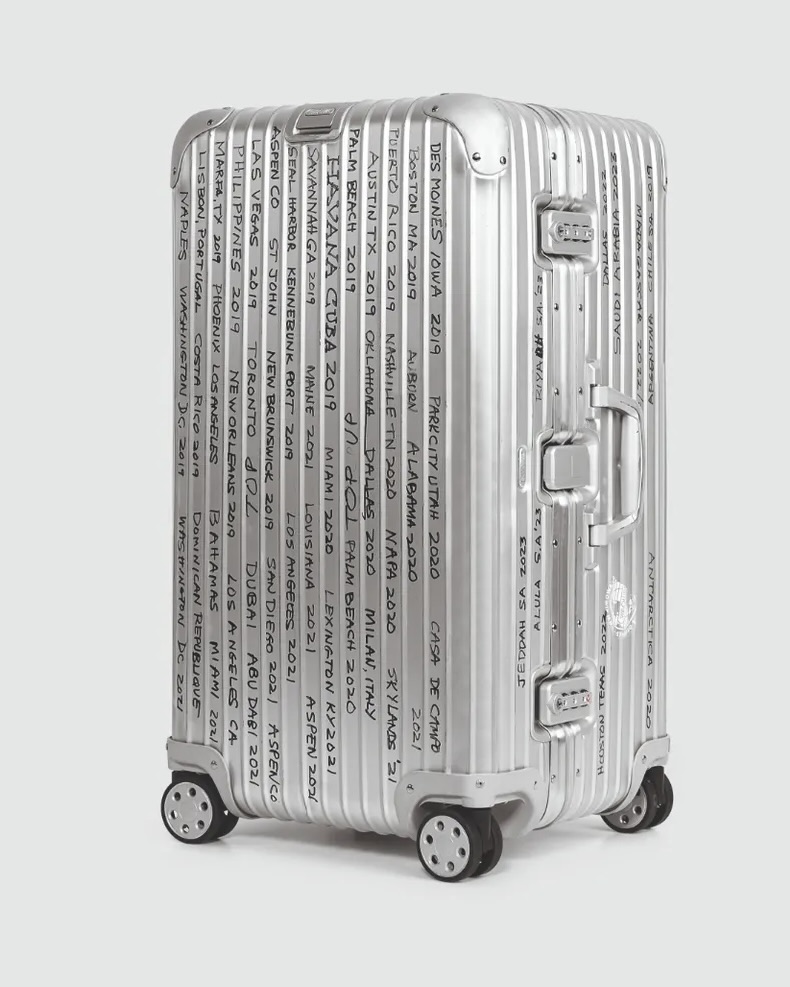
Even Martha Stewart customises her trunk, not with stickers, but using a black marker pen. “I write every destination of my trips on my RIMOWA,” says Stewart. “It’s called memory keeping.”
Sticker Price
When it comes to pricing, there is no ambiguity about where RIMOWA sits in the market. The aluminium case collection ranges from $2,200 for the Original Cabin S to $14,500 for the wine-lover’s favourite Classic Twelve Bottle Case, and the question that follows is always the same: is it worth it?
Value is always a deeply subjective matter, but at the end of the day, the main thing that most prospective owners should consider is how frequently they’re flying.
Since 2022, every new RIMOWA suitcase has come with a lifetime guarantee covering all functional aspects of the case, so if you’re travelling half a dozen times a year, the cost is one many owners understand will amortise quickly. In fact, if you’re travelling for 40 years over your life and you take two trips a year with the $3,970 Original Trunk XL (the largest of RIMOWA’s core offering), you’ll spend a touch under $25 on each direction of your journey.
Of course, there are plenty of options that’ll ring up the till to a fraction of the price, but that’s where the other half of the subjective matter of “value” comes into play. For upwardly mobile consumers, luggage has become a new status symbol, and for the swiftly growing cohort who fly business or first class but are unlikely to justify private planes, RIMOWA is an easy way to stand out.
The brand occupies a position that is genuinely rare in consumer goods, as it’s both a legitimate engineering achievement and a clear social signal. Those two things reinforce each other because they naturally fit into our natural (and not always fulfilled) hope that by spending more money, you’re getting a higher quality product.
What Comes Next
For a brand that’s been so impressively transformed, there’s one challenge that’s faced by every luxury name that achieves genuine cultural ubiquity: how do you remain desirable when you’re everywhere?
Eugene Healey, an Australian brand strategy consultant and creator, discussed this in a recent post about post-luxury status symbols, arguing that “social media has fueled a cultural oversaturation of luxury products.”
“Even if these things are physically scarce, they are culturally ubiquitous. When you can go online and see a million pictures of a Birkin or a Lambo, it loses its mystique. It doesn’t really matter what the price is.”
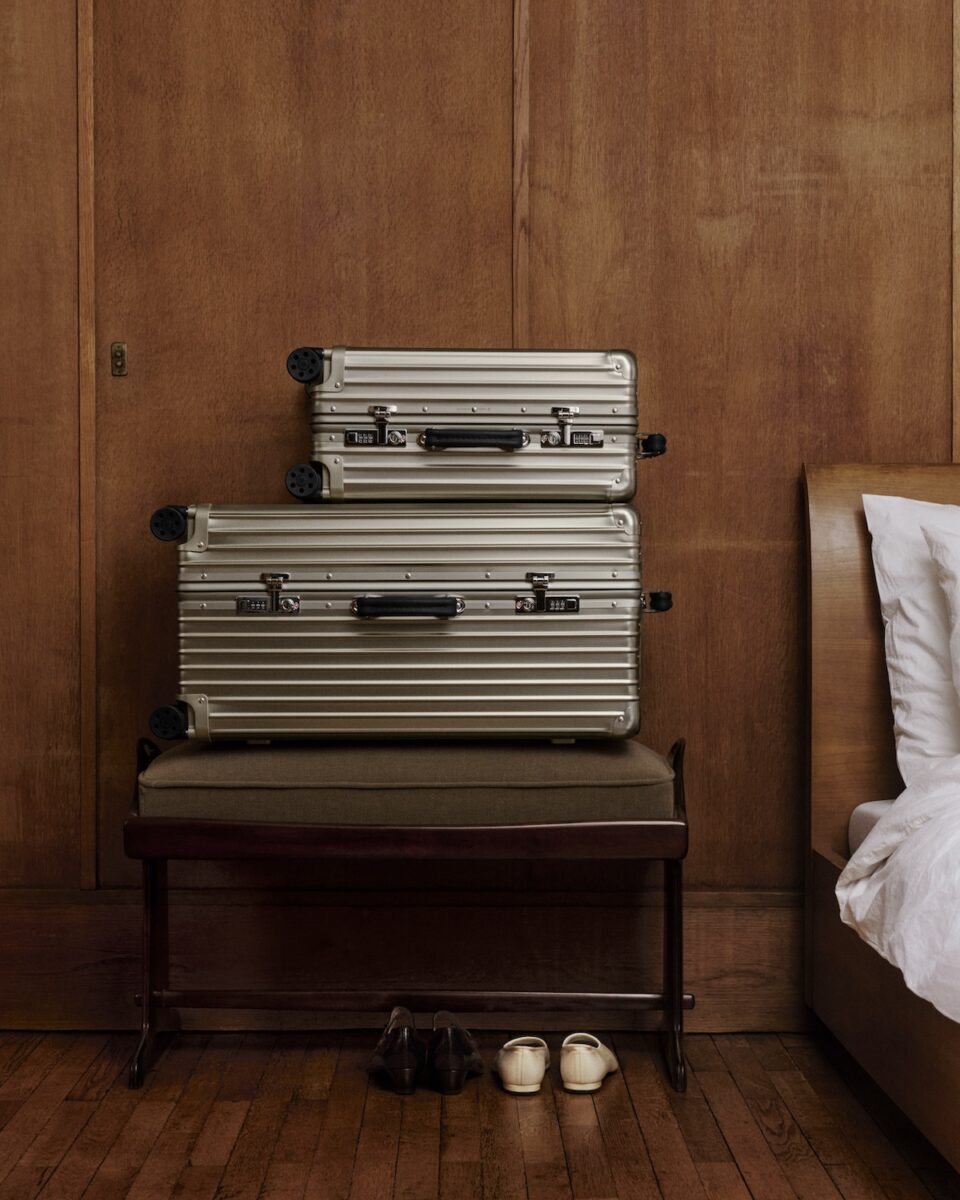
The same visibility that catapulted RIMOWA into the luggage stratosphere may also be its greatest threat, because as Healey notes, “status is derived from things that are inaccessible to the majority of the population.”
The answer, for now, appears to lie in the continued elevation of craft, in the expansion of the product range beyond hard-sided luggage, and in the careful deployment of collaborations that genuinely move the cultural needle. “New status symbols can’t be things that are compressed into the visual realm,” Healey predicts. “They have to be behavioural.”
Fortunately for RIMOWA, craft isn’t something that can be “flattened into algorithmic wallpaper”. It’s something you have to feel, and unless another luggage brand is able to replicate a similar blend of visual recognition and material excellence, its place at the pointy end of the plane isn’t changing anytime soon.