
- Record gold prices are squeezing luxury watch brands, forcing brands like Rolex to raise prices, rethink materials, or accept thinner margins.
- The Rolex Daytona remains uniquely insulated by demand, but rising bullion costs are keeping brands on their toes.
- Steel, titanium and rubber are resurging as brands seek stability in an increasingly volatile precious-metal market.
If the last 12 months has told us anything, it's that it's near-on impossible to make a fair assessment of where we'll all be 12 months from now.
It's not meant to be all doom and gloom at the top, but declining customer demand, paired with a litany of erratic tariffs inadvertently shaking the Swiss luxury watch market, has seen the value of seemingly insulated global fashion conglomerates take hit after hit since the start of the year.
It's felt like, at times, the broader luxury sector has stumbled through 2025. Customers are buying less, and, in particular, the Gen-Z cohort of luxury enthusiasts are seemingly spending their money with less fervour. But the watch market has been slightly more difficult to measure.
Demand has softened, yes. But not entirely. Instead, what we're seeing across the board are price increases that have largely outpaced perceived value, and nowhere is that tension more visible than in watches made from precious metals.
RELATED: These Off-Catalogue Rolex Daytonas “Don’t Exist,” So Why Does Everyone Have One?
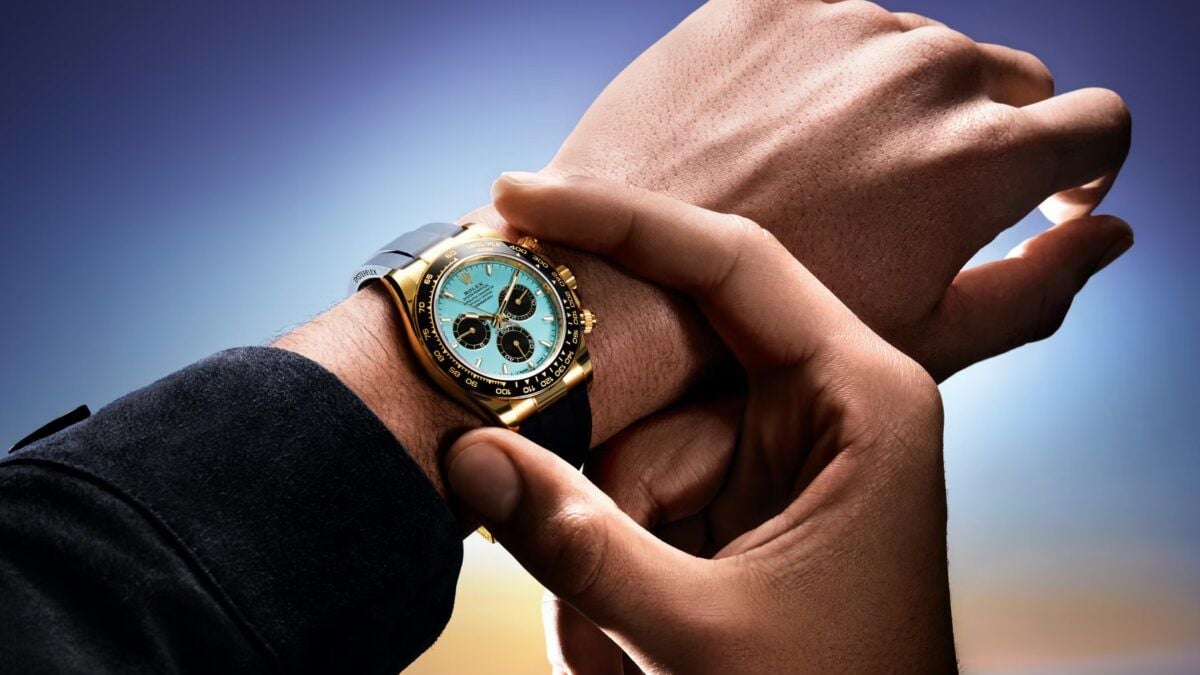
The price of gold has never been higher, which will in turn mean you can expect the cost of producing solid-gold watches to surge far faster than brands can comfortably pass on to consumers. It's meant that where gold was once seen as a reliable marker of exclusivity and inherent value, it's quickly become a pricey problem for Swiss bigwigs.
This is particularly relevant for Rolex, whose white, yellow and rose gold sports models, the Cosmograph Daytona chief among them, occupy a unique position in the market.
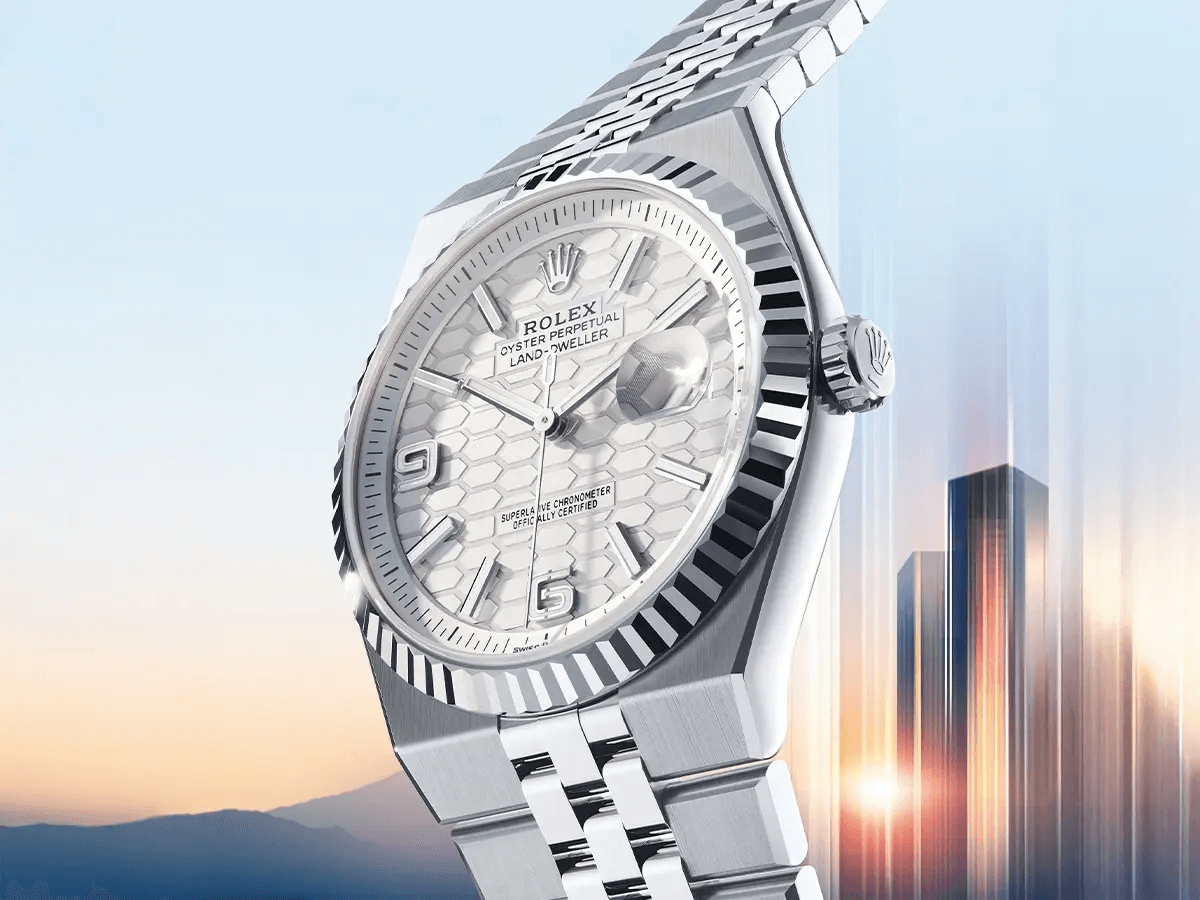
A betting man would confidently say that Rolex makes the most sought-after watches in the world. Whether that's a Daytona, Land-Dweller, GMT-Master II, Submariner, Day-Date or Datejust, neither purely functional tool watches nor untouchable high complications, but aspirational luxury pieces whose pricing must remain defensible to a broad global audience. At today’s gold prices, that balancing act has become significantly harder.
When raw material costs begin to eat into the margins of the piece's retail price, brands are forced into difficult decisions: raise prices sharply and risk alienating buyers (which many have done), absorb costs and accept thinner margins, or quietly adjust product strategy away from gold altogether.
Last year, for example, the Rolex Daytona was among the most affected models, recording an 18% price hike heading into 2025. A look at 2026 reveals a more modest, but still noticeable, round of increases.
Rather poignantly, every Rolex model experienced a price rise in 2026, but it was the yellow gold references that took the biggest hit, with mid-5% hikes representing the highest increases across the catalogue. Yellow gold Daytona models rose by between five and six percent YTD. The Daytona Yellow Gold up 5.6%, the Daytona Yellow Gold Oysterflex up 5.7%, and the Daytona White Gold up +5.4%.
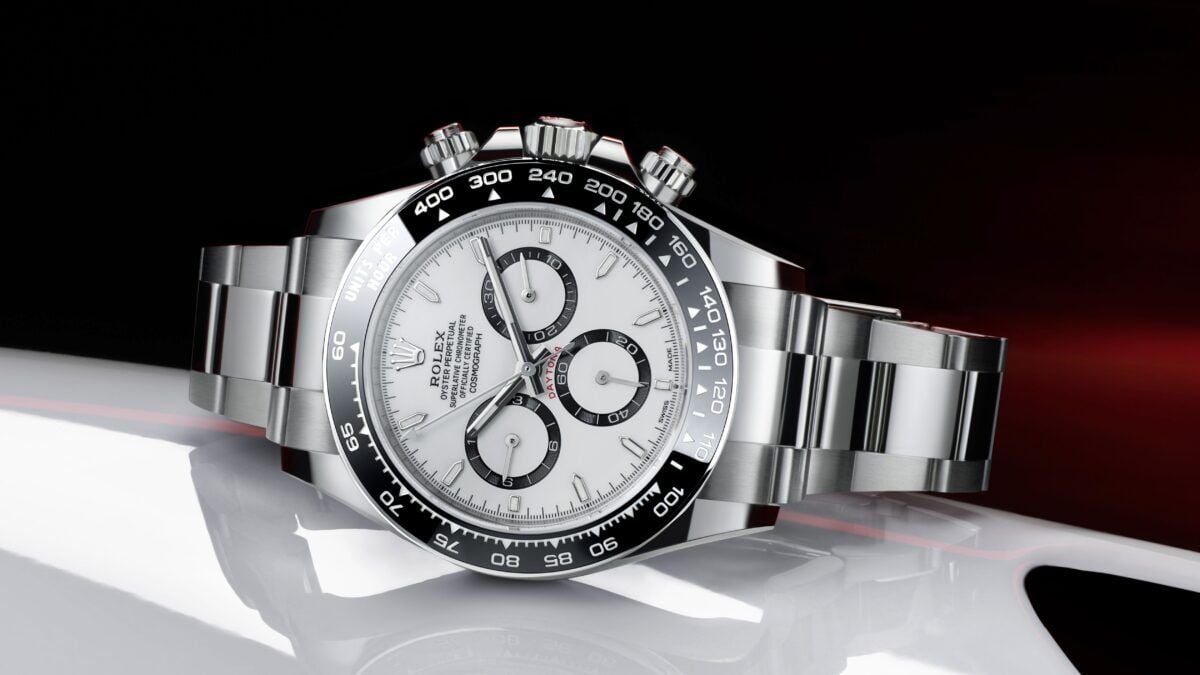
As gold's value continues to rise, other materials offer brands more flexibility with costing and pricing at moment when gold’s volatility introduces a costly headache. Platinum, for example, hasn't seen the same swings as it's golden counterpart.
It is no coincidence, then, that we are seeing a renewed emphasis on steel, titanium and rubber across the luxury watch landscape, with brands like Vacheron Constantin revealing a ruby red iteration of its cult favourite Overseas collection just last week.
For the consumer, then, this raises an inevitable question: if the price of gold has never been higher, what does that actually mean for a watch like the Rolex Daytona, which is notoriously the hardest reference to get at retail?
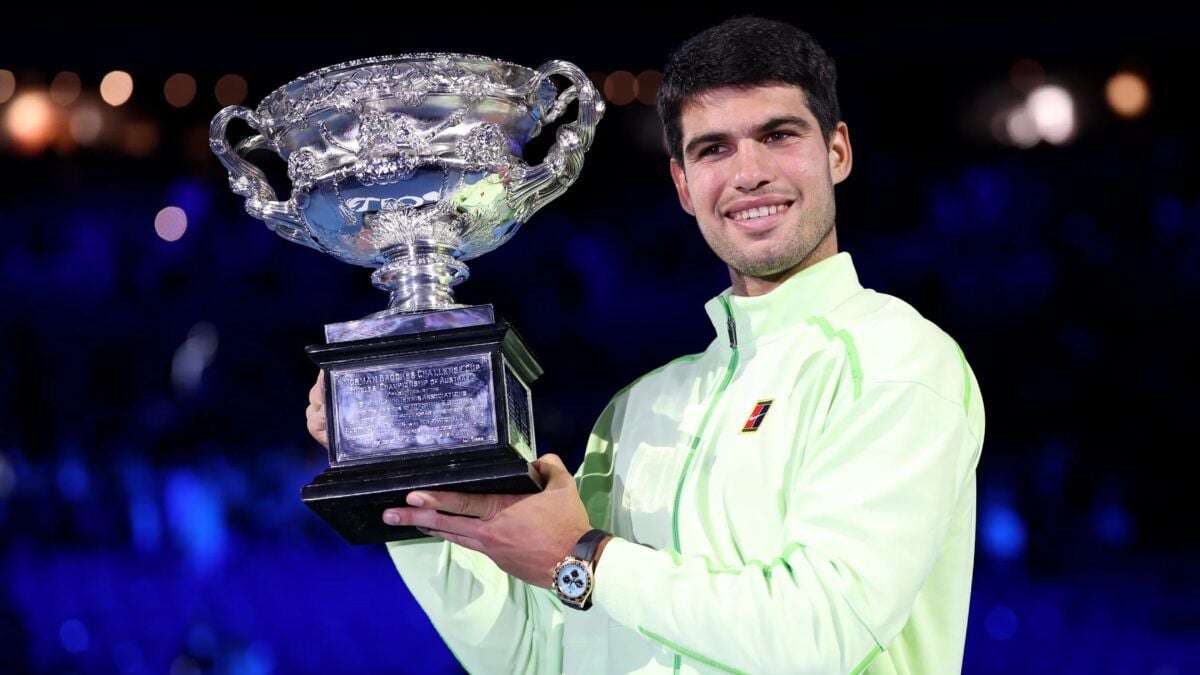
Honestly, I don't think the Rolex Daytona will ever lose its unique position. This iconic model is the grail piece for most collectors, owning a permanent position in the cultural zeitgeist, defined by an era of performance and sporting pedigree.
The rising cost of bullion is a gilded spanner in the works for Swiss watchmaking at large, but if any brand is equipped to navigate this moment, it's Rolex.
The Crown has weathered economic uncertainty before, and while the road through 2026 could be an expensive issue for a brand that produces more than a million pieces each year, the Daytona’s position at the summit of modern watch collecting remains firmly intact.