

Across the spectrum of haute horlogerie, few brands can claim the same rarefied status of a vertically integrated manufacture. Even fewer can confidently claim to have been among the first.
And whilst Zenith doesn't always dominate headlines, the Swiss luxury watch brand has always been one of the brands that "if you know, you know," carrying enviable weight amongst its peers, its rivals – even those brands that have quietly fitted their watches with its movements for years.
Of course, every watch collector knows the El Primero, the legendary movement that continues to define Zenith and set the benchmark for the modern high-frequency chronograph across the entire industry. Rolex borrowed it for over a decade. Other houses have looked to Le Locle when precision was non-negotiable.
So, at Watches & Wonders, Zenith's limited launch of the new Chronomaster legacy feels like a brand confidently reminding everyone of its technical mastery and enduring design speak. Four releases that champion what the manufacture does better than almost anyone: build movements worth showing off, and find new ways to frame them.
Chronomaster Sport
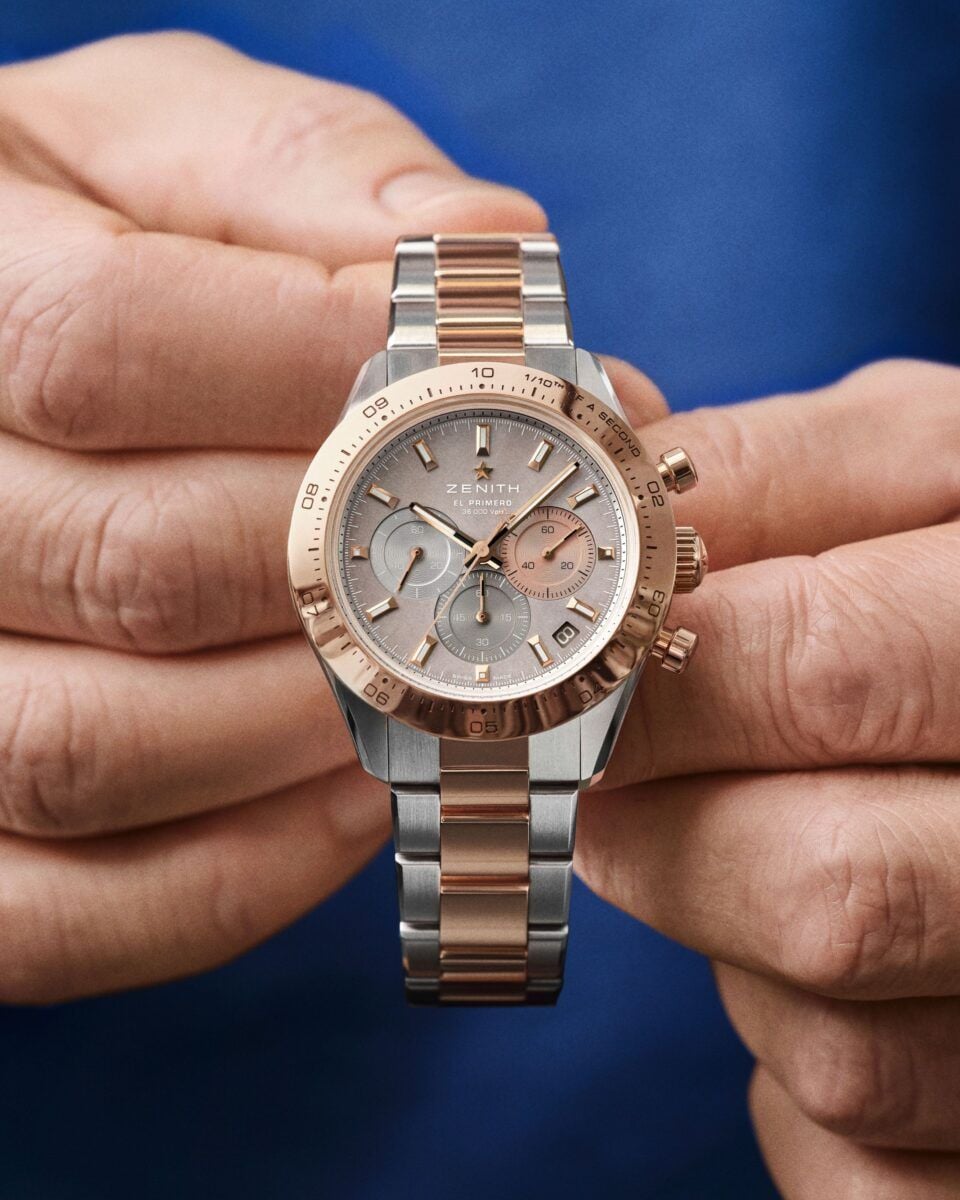
Admittedly, a first glance of the Zenith's new Chronomaster Sports revealed a daily wearer housed in a 41mm case and ceramic bezel that gives it a wonderful presence on the wrist. But for those who know, this rare, complicated piece is anything but simple.
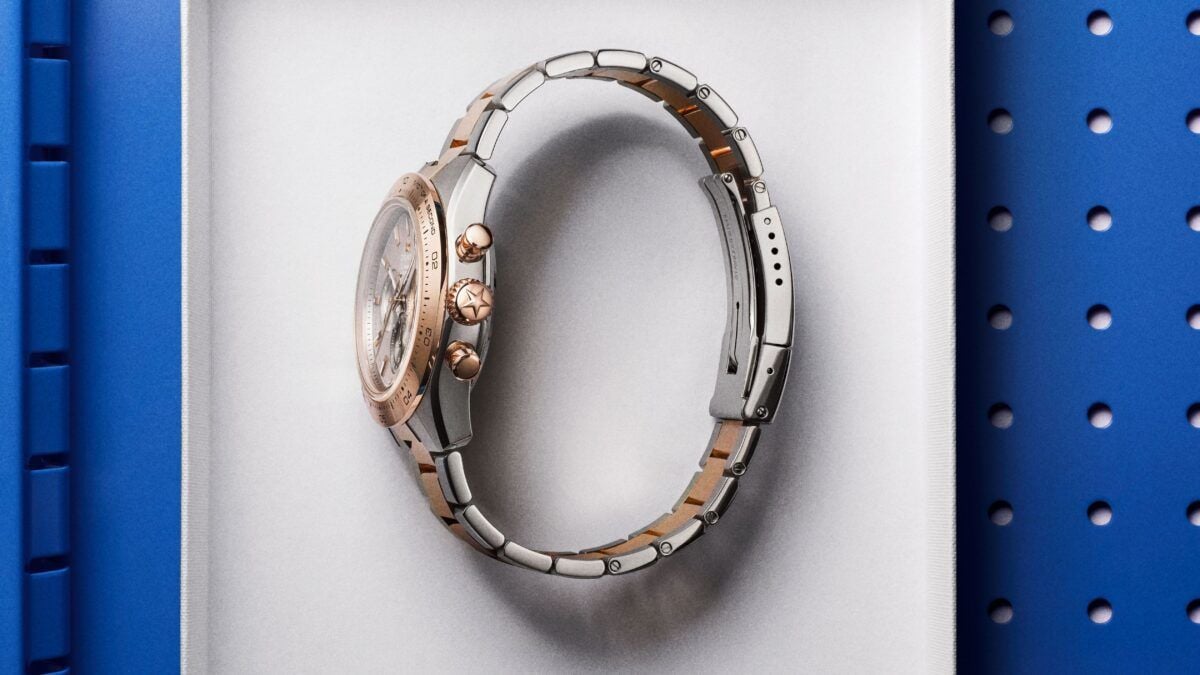
For 2026, Zenith shifts the tone towards a more luxury edge, adding a two-tone rose gold edition to the steel line-up. Across the mother-of-pearl dial, the Swiss Maison maintains the unique multi-coloured offering across the three chrono counters.
It offers more depth and embellishment to an existing collection, a premium finish, whilst still anchored in the performance-driven identity that made the Chronomaster Sport such a closely-followed collection in the first place.
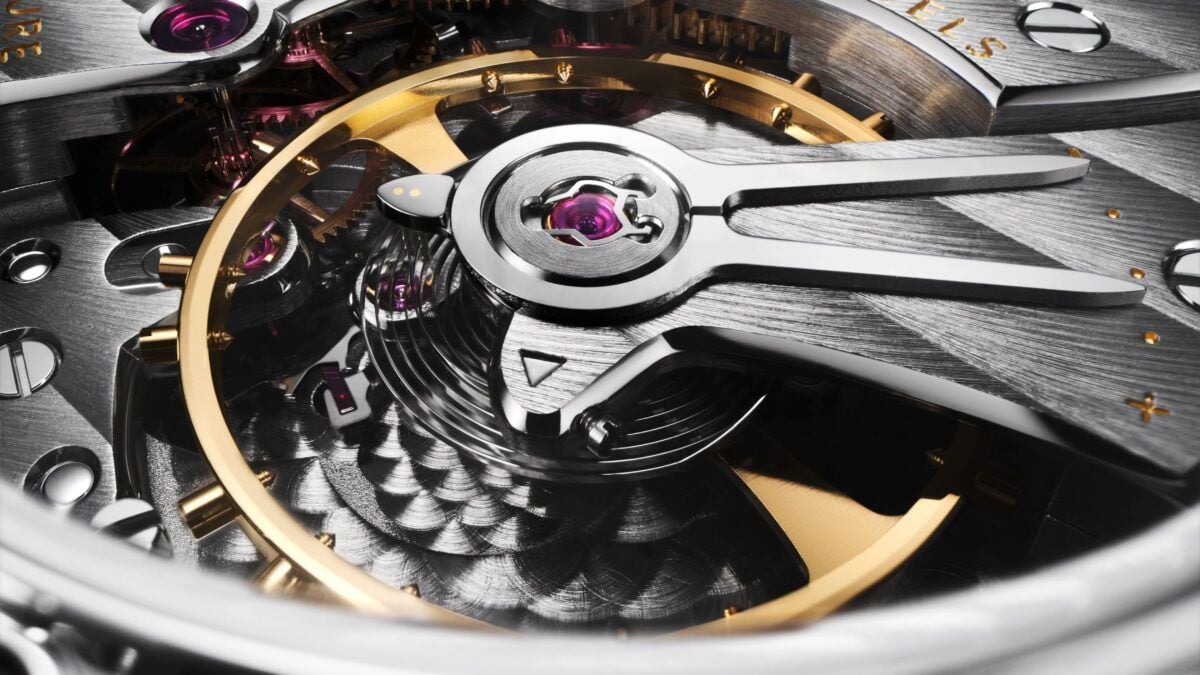
Though it's under the hood where the Chronomaster reveals why it continues to excel as Zenith’s contemporary flagship collection, a celebrated embodiment of El Primero, the high-frequency, fully integrated automatic chronograph that first appeared in 1969, and still sets the benchmark today.
Unlike most mechanical chronograph movements, where the central seconds hand takes a full minute to circle the dial, the El Primero 3600 drives that hand around in just 10 seconds. Thirty-six thousand vibrations per hour, 1/10th-of-a-second accuracy, and decades of refinement. Every tick you see on the dial corresponds to a precise 1/10th of a second, something almost no other watch lets you do.
It's no wonder collectors and industry experts line up to fall over each other every year, desperately trying to be among the first to see the next stage of this iconic movement's glittering evolution.
Chronomaster Sport Skeleton
Naturally, when you have a movement that continues to inspire and shape opinion half a century after its release, you're bound to be inclined to show it off. And this next release does exactly that.
Now, I should say that I've always struggled with skeletonised watches. Call it personal preference, but I've simply been more drawn to the pretty face of a brushed, treated dial – something opaque, unique, proportioned. Much like the mother-of-pearl iteration above, where the hairs on my arm aren't sadly pressed beneath the sapphire.
However, there's something about Zenith's 2026 Chronomaster Sport Skeleton that I can't quite bring myself to look away. Almost as if this contemporary piece is revelling in its transparency to reveal the openworked calibre beneath.
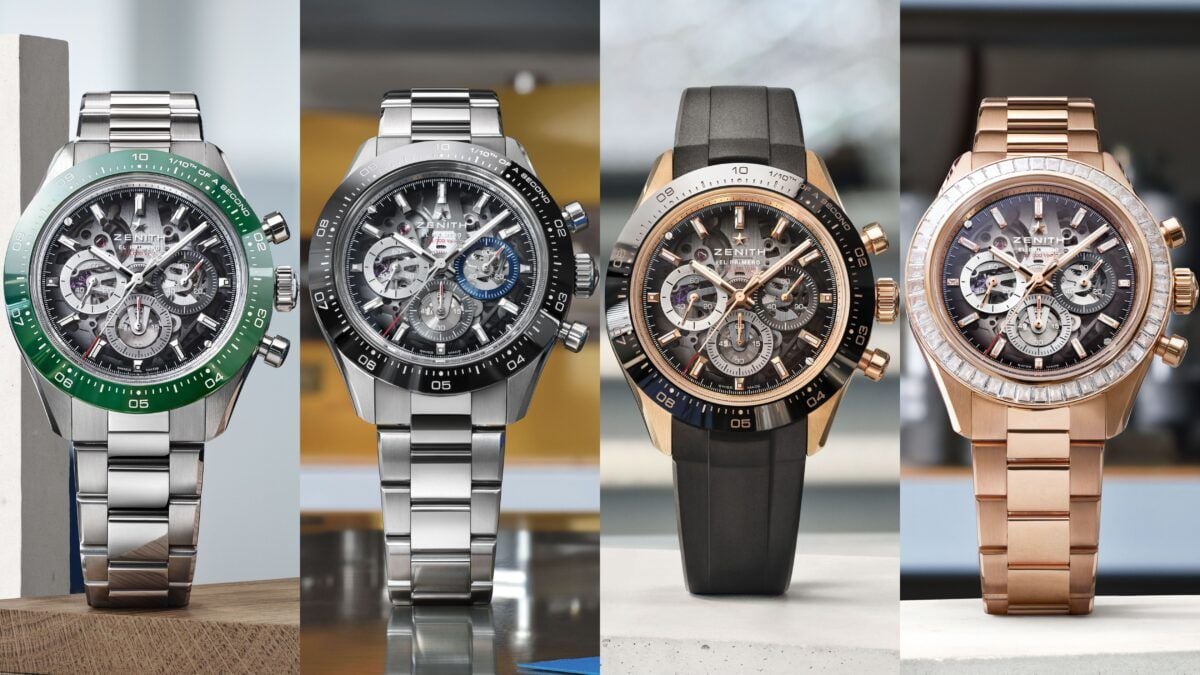
Presented in a 41mm case, the all-new Zenith Chronomaster Sport Skeleton is available in four distinct versions: two stainless steel with green and black ceramic bezels, classically sporty and a welcome addition to the collection.
Next up, a more refined release, consistent with the base model for 2026, with another 18-carat rose gold case. Finally, an ultra-exclusive limited edition of 10 pieces in rose gold, including a matching bracelet and a bezel set with 50 baguette-cut diamonds.
Zenith G.F.J. Tantalum
Not content with resting on its chronograph laurels, Zenith has also reimagined one of its most sought-after contemporary pieces, the Zenith G.F.J., which gets its name from the brand's celebrated founder, Georges Favre-Jacot.
It's often considered the contemporary home for one of the brand's lesser-known (albeit equally spectacular) movements, the Calibre 135, a movement that predates the El Primero by two decades but has its own legend.
Developed specifically for observatory chronometry competitions, the 135's competition version, the 135-O, secured 235 prizes, including five consecutive first prizes at the Neuchâtel Observatory between 1950 and 1954. That record has never been matched.
2025 saw the return of this legendary movement through the first commercially available Zenith G.F.J., housed within the most exquisite piece of lapis lazuli I've seen across any timepiece. It was a rare juxtaposition of one of the brand's most celebrated calibres, within one of the most visually striking dials I've been fortunate enough to try on.
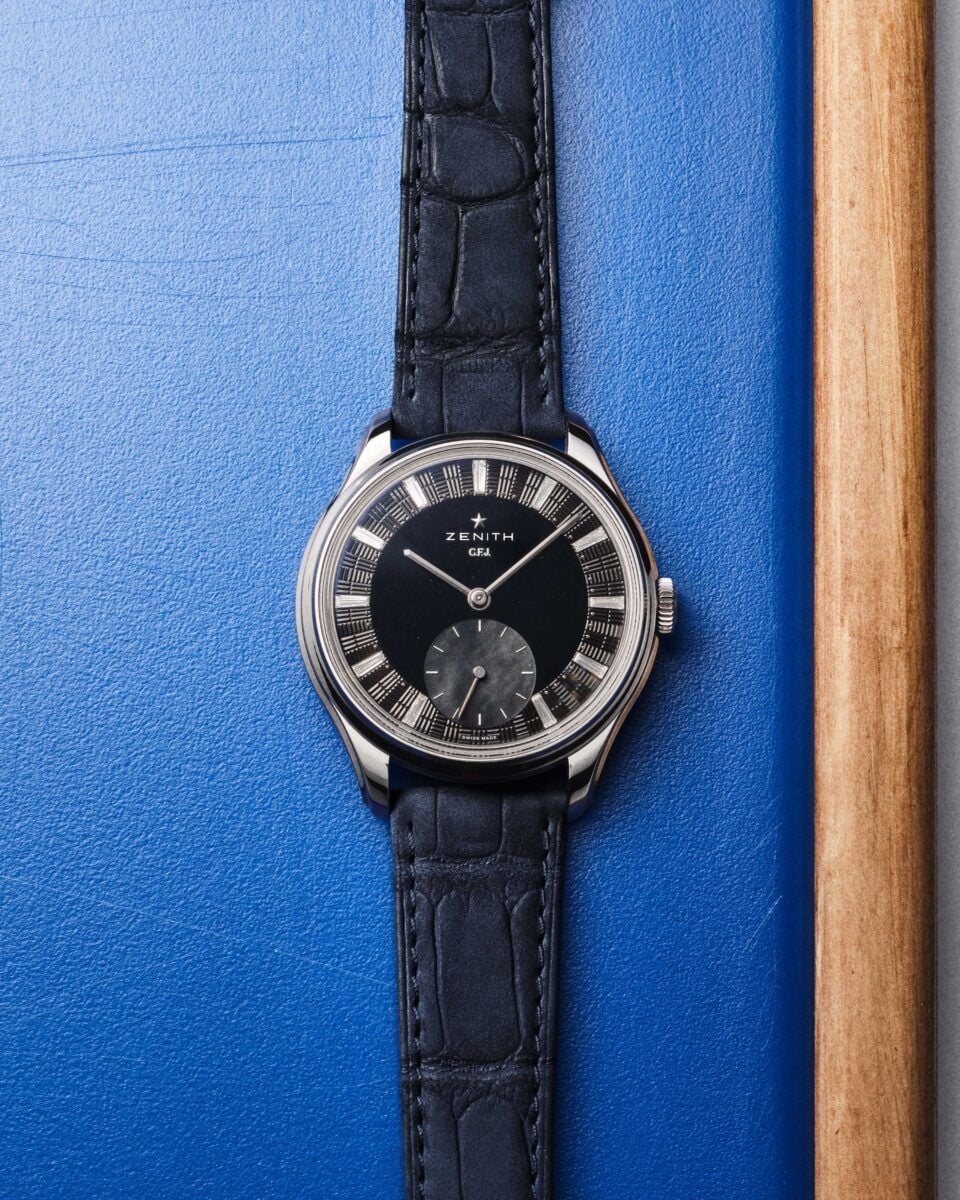
For 2026, Zenith takes this idea further, introducing a material rarely seen in luxury watchmaking, the G.F.J. Tantalum. Dense, dark, and incredibly difficult to work with; it's difficult to machine and slow to finish.
So why use it? Well, the Tantalum's inherent difficulty is almost what gives it its character. Every curve, every step of the bezel, every lug is measured and refined to within an inch of its life.
Put simply, there's nowhere to hide when using such a challenging material for each piece, and it gives each one of the modern G.F.J. collection a level of technical mastery that few within the horological market could even match. See, I told you I'm a sucker for a pretty face.
Zenith G.F.J. Jasper
Where Tantalum demonstrates subtlety, the Zenith G.F.J. Jasper is the more "look at me" release this year. It’s not flashy, though, carrying an elegant, almost regal quality that I find isn't always so prevalent across the spectrum of stone dial watches.
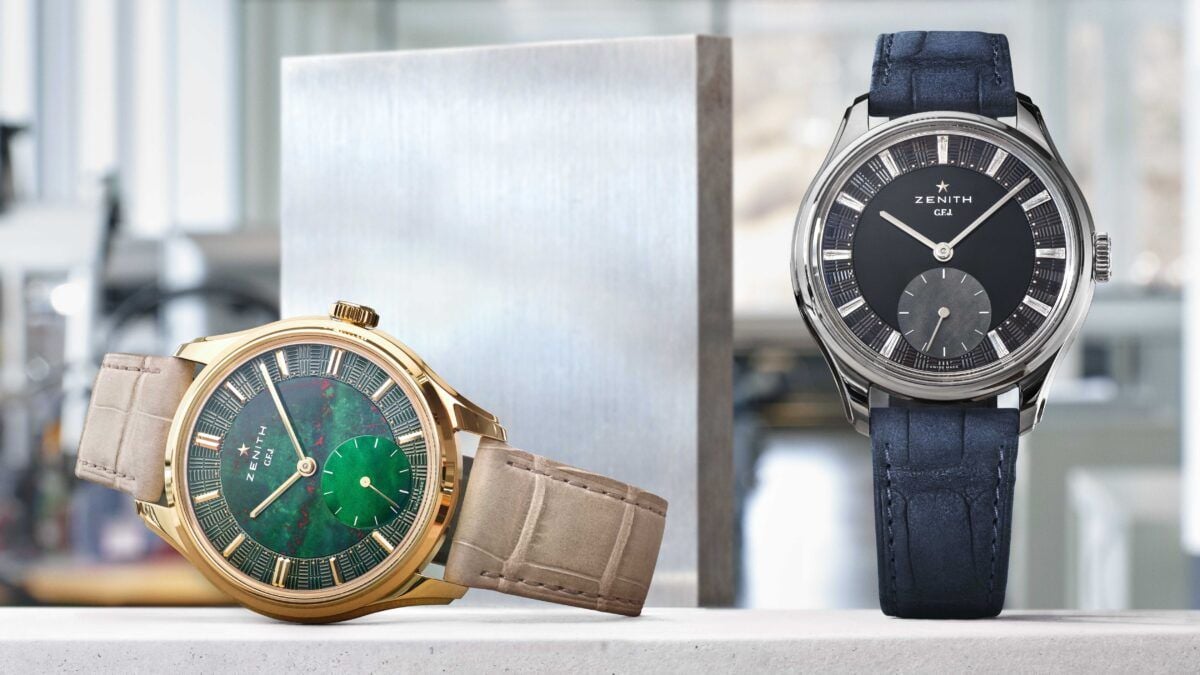
The dial arrives in bloodstone – a rare variety of jasper – which I find gives an entirely different depth and quality that you just wouldn't find across lapis lazuli: darker, richer, with natural veining and mineral inclusions that ensure no two dials are identical.
In a 39.5mm yellow gold case, this piece has attractive, slender proportions, whilst a stepped bezel and curved lugs drawn from 1950s chronometer design give the watch a further touch of class. Limited to 161 pieces, a number chosen to echo Zenith's year of foundation, it keeps the brand exclusively for the discerning.