
For hotel groups, you’d struggle to find a region as attractive a proposition as Asia Pacific right now.
Countries like Thailand and China have been rewriting the scripts for international travel, seeing as much as 83% growth in inbound arrivals on visa-free schemes in a single year. Luxury room nights have grown more than 90% since 2022. Accommodation booking values climbed 23% in early 2025, at precisely the moment European and American numbers were falling. By 2030, the region is expected to be home to 3.5 billion middle-class consumers – two-thirds of the global total – and they are, it turns out, very happy to spend their money on a good hotel.
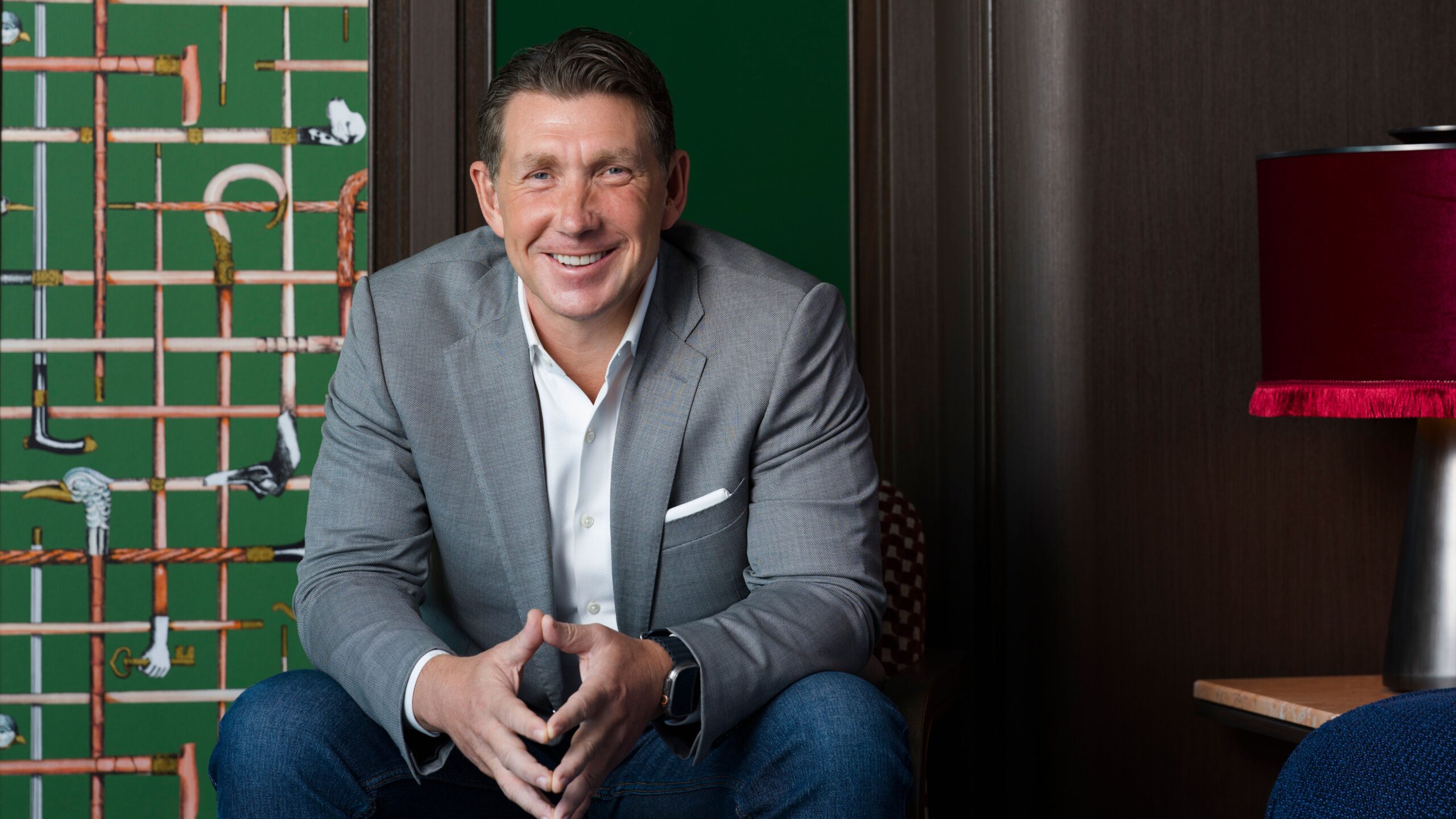
For Hilton, arriving early and at scale in that market is a huge part of the strategy. And few have been more central to executing it than Alan Watts, Hilton’s President for Asia Pacific.
“Asia Pacific is one of the most attractive regions for hospitality,” Alan Watts tells B.H.
“There is significant infrastructure investment, travel-friendly policies, a growing middle class eager to travel, strong intra-regional demand, and an increasing appetite for premium, experience-led trips. Naturally, investor confidence is at a high, and that fuels our growth.”
Hilton’s a group that many travellers know – you’ve probably stayed in one of its many locations across the world. In 2026, it’s the fastest-growing hotel group in the APAC region, with more than 230,000 rooms across a range of price points and an increasingly restless customer base to fill them.
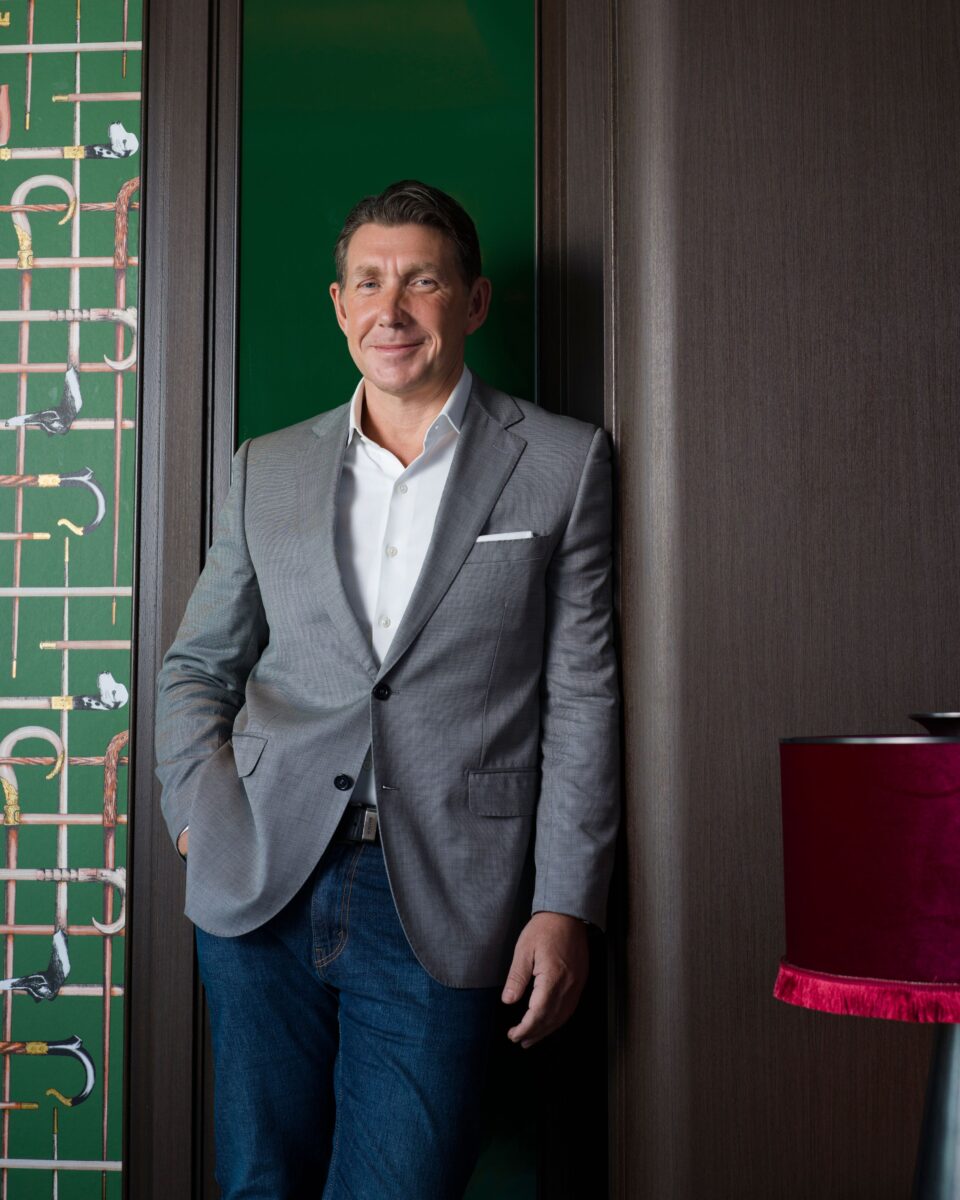
Since joining in 2018, Watts has been an integral custodian of this international hotel group, overseeing a portfolio that spans more than 2,100 hotels across 13 brands, backed by a 96,000-strong workforce delivering what the group describes as the region’s benchmark for hospitality.
Under his leadership, Hilton reached 1,000 trading hotels across Asia Pacific, a significant milestone that arrived a full year ahead of target. Today, nearly one in four hotel rooms currently under construction across the region sits under a Hilton brand.
“Hilton has been around for more than 100 years, and one of the biggest reasons why we’ve been able to thrive and build such an enduring legacy is our belief in showing the same level of hospitality to our team members as we do to our owners, our guests, and our communities,” Watts continues.
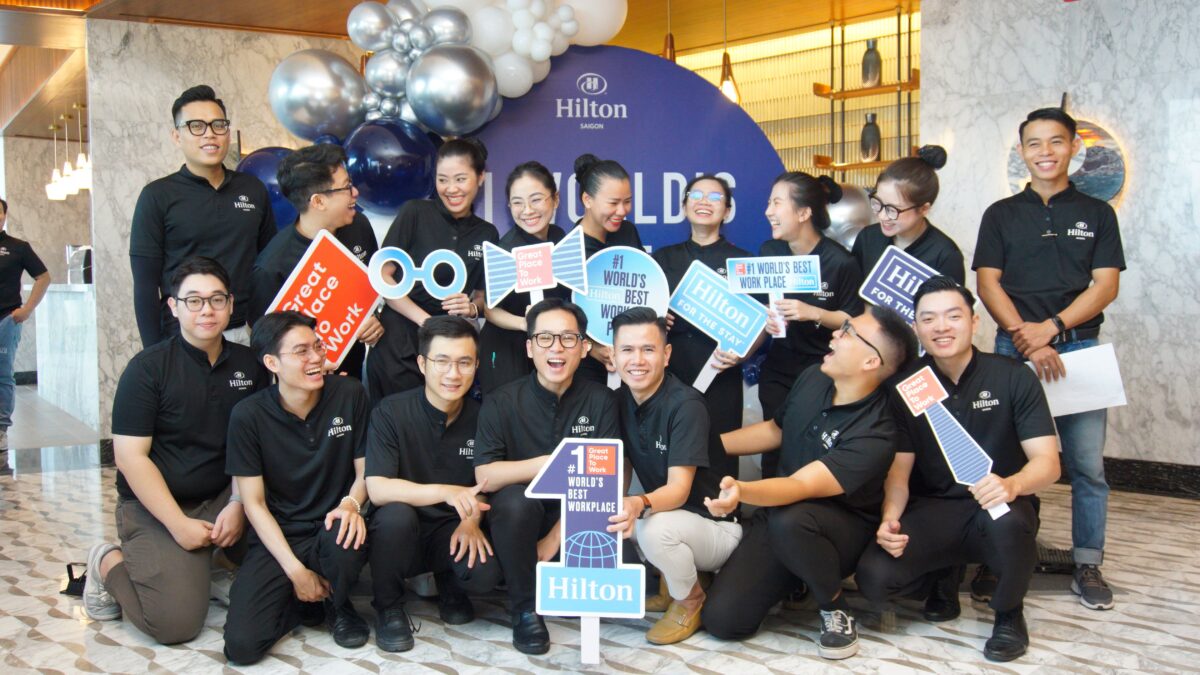
It’s a philosophy that, by any external measure, appears to be working. Hilton currently ranks as the World’s Best Workplace, and in Southeast Asia, where the competition for talent is as fierce as anywhere on earth, it sits atop Fortune’s inaugural regional list as the best hospitality employer in the region.
“At its core, Hilton is a business of people serving people. When leaders put their teams first and are focused on helping them grow and realise their potential, everything else follows. Get the culture right, and performance, guest satisfaction and long-term growth take care of themselves,” Watts says.
Of course, it’s worth noting that these workplace rankings are largely built on employee surveys, and companies that win them tend to have invested seriously in the process of winning them – whether that means genuine cultural reform, sophisticated internal communications, or a bit of both. But positive responses across a workforce of nearly 100,000 people are harder to manufacture than a press release.
Take a look at the way Hilton operates, not only in Asia Pacific, but across the entire world: the group consistently measures its success against the backdrop of customer (and employee) satisfaction.
For Watts, seeing the skylines of the world’s most popular postcodes must be an immeasurable sense of pride, though Hilton’s growth trajectory is only as strong as the loyalty it fosters across each one of its sites.
“No matter how exciting the growth potential of your business, never lose sight of the fundamentals. Competitors are constantly seeking to replicate and improve on what you do, while reputation with customers is hard won and easily lost,” he notes.
As Watts says, investor confidence across Asia Pacific is high, driven by a booming middle class desperately seeking experiential travel in record numbers. Though it’s not entirely localised.
Hilton’s own 2026 Trends Report found that one in five global travellers is now motivated to travel specifically for major sporting and entertainment events. In Australia, that figure sharpens considerably – 59% plan trips around sporting and entertainment occasions. According to Hilton, people are no longer travelling for the sake of travel. They’re packing their bags for something.
Sitting across all of this is Hilton Honors, the loyalty program that now counts more than 243 million members globally and is on track to become the largest in the world by late 2026. As Hilton’s footprint expands, Honors is the mechanism that keeps its most committed guests tethered – moving between properties, accumulating nights, deepening a relationship that is, at its best, genuinely mutual.
“Luxury today is less about formality and far more about access,” Watts says.
“Travellers still expect exceptional hospitality, but increasingly they want something attached to it – a uniquely local cultural moment, standout dining, or a global sporting event like Formula 1. A beautiful room is important, but it’s no longer enough on its own.”
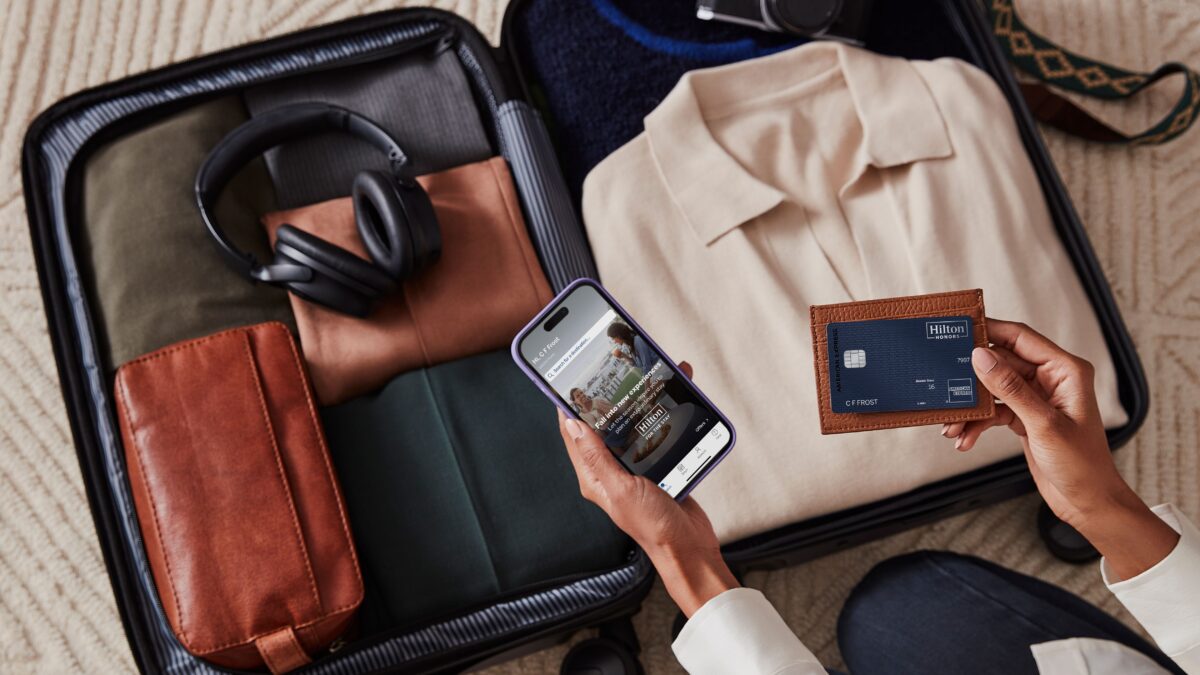
At its worst, it’s been a more complicated story. In the space of twelve months, Hilton quietly pushed through three separate point devaluations, sending the cost of a luxury redemption skywards – in some cases, more than doubling the price of an aspirational stay without formally notifying members that any of it was coming.
When pressed, Hilton’s official response was that it was simply adjusting pricing to reflect market demand. It’s reasonable enough, though the group’s dynamic pricing model has left many long-standing members feeling that the goalposts had been quietly moved while they weren’t watching. Earning rates, notably, haven’t changed in twelve years. It’s the redemption side of the ledger that keeps moving.
To Hilton’s credit, the program remains vast, functional, and (in the right circumstances) genuinely valuable. Where else will your hotel room come with an exclusive tour of the McLaren garage during a Formula 1 Grand Prix?
Now spanning more than two decades, Hilton’s partnership with the McLaren Formula 1 Team is perhaps the clearest expression of that thinking in action.
It’s the longest-standing partnership in McLaren’s history – one that has certainly evolved over the years from a conventional sponsorship arrangement into a genuine experience platform for Hilton guests. It now equates to roughly a third of all annual redemptions across the entire Hilton Honors loyalty program.
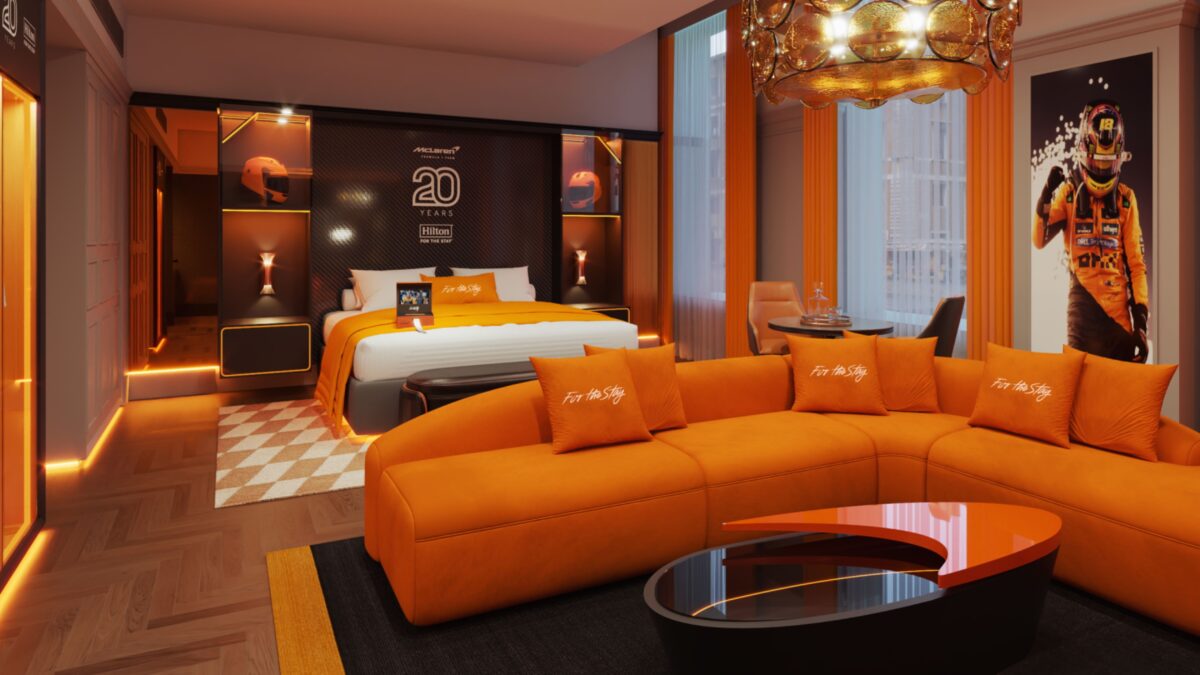
In an ultra-competitive market where rival programs are locked in an arms race over points earn rates, and whether or not the eggs benny is included with the room, Hilton is making a different kind of argument: that the most valuable thing a loyalty program can offer isn’t a free night or even mints on the pillow (although those little touches do sometimes make all the difference).
It’s access to moments that cannot simply be purchased, like meeting a Formula 1 driver, checking the tyre pressure on a McLaren, or walking into a gig that sold out before most people even knew tickets were on sale.
The details may change, but the overarching principles that have guided Alan Watts and the enviable expansion through Asia Pacific in recent years remain. It’s why, in one of the most hotly contested hospitality markets on earth, Hilton – and the custodian building its most important frontier – remain the celebrated success story that everyone else in the industry is quietly measuring themselves against.
The question now for Hilton, positioning Honors as the engine of its most personal guest relationships, is whether the maths still holds up for the members who built their loyalty around it.