

Every year when November rolls around, there’s an inevitable desire to throw on a pair of shorts and a t-shirt, slide into some thongs or Birks, and call it a day as far as outfits go for the next three months. But if you're interested in how to dress well during the summer - not just how to dress for the beach - we’re here to help.
To help us get to the bottom of this eternal struggle, we re-enlist the expertise of Fernando Kularatne - founder of Sydney-based menswear label Riley & Sons - the very same sartorial authority who lent us some wisdom on how to dress for different body shapes.
There are plenty of unhelpful myths that result in gents dressing poorly for summer, a few fundamental concepts that are often misunderstood, and more than a handful of tips that’ll have you dressing better than ever when the mercury rises.
What Kind Of Heat Are You Dealing With?
The first question everyone should ask when they’re considering a warm-weather outfit is a simple one: “Is it humid or dry heat?”
This might seem unimportant, but it’s probably the most critical piece of information you need to consider if you want to stay comfortable throughout the day.
The other notable factor, regardless of whether you’re in dry or humid heat, is the impact of UV.
“The biggest thing when it comes to putting together an outfit and your garment considerations is the need to protect yourself against the UV burn,” says Kularatne. “If you do it right, it can help conduct heat and moisture away from your body."
In dry heat – which you’ll find in Perth, much of inland WA, and late summer Victoria - your sweat actually gets a chance to do its job: perspiration evaporates quickly, which means your body can regulate its temperature reasonably well if you’re not wrapped in plastic.
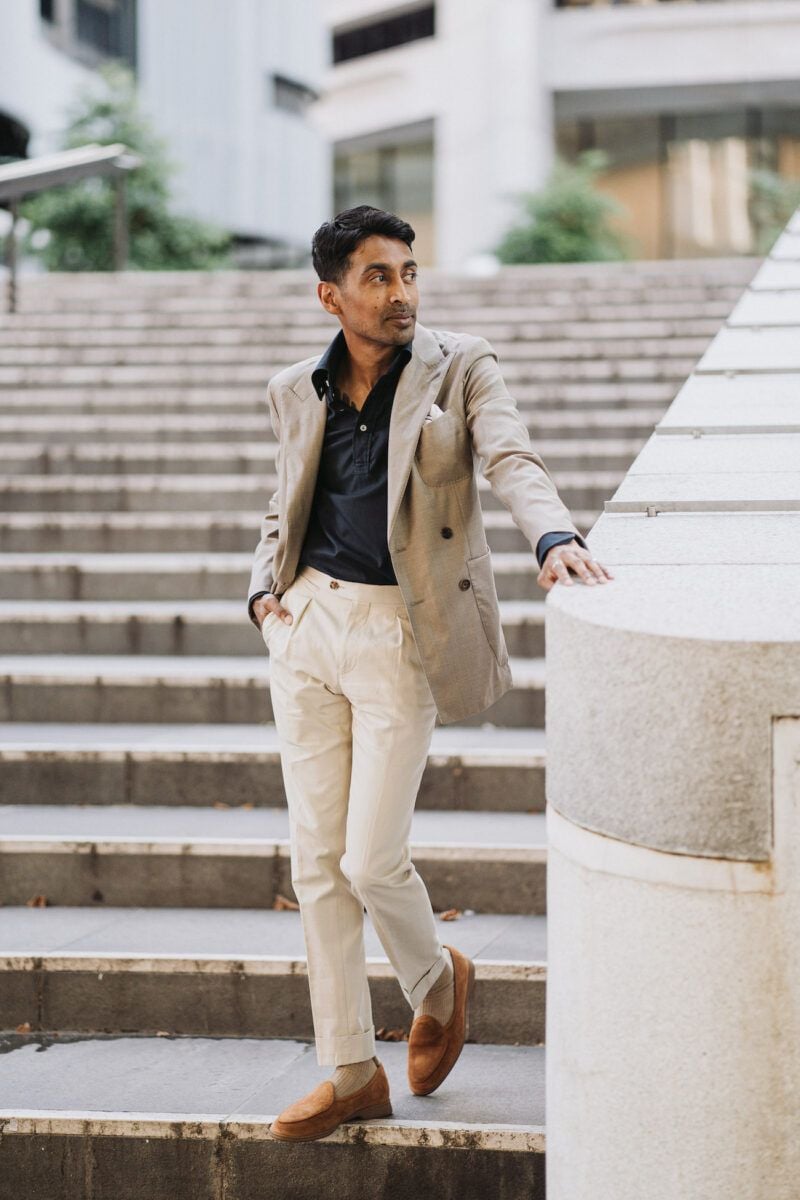
In other words, you can get away with slightly denser fabrics and a closer silhouette - as long as the cloth breathes and doesn’t cling.
Kularatne continues: “When you’re in dry heat, it’s important to remember your sweat will actually evaporate off your body because there isn’t much moisture in the air, so you want to pick garments made from fabrics that are quite absorbent to draw moisture away from your body."
"A great example for a shirt is a twill weave or a plain weave, like chambray, because they’re both denser and offer that extra bit of protection against UV.”
Humid heat is an entirely different animal, which you’ll suffer through in Sydney, Brisbane, and anywhere the air feels thick before 9 AM.
In humidity, sweat doesn’t evaporate - it just sits on your skin, slowly soaking into your clothes, and the more your garments hug the body, the more you feel like you’re being steamed. With these conditions, airflow is everything. You want more space between cloth and skin, open weaves, and fabrics that aren’t overly absorbent.
“When you’re dealing with humid heat, the sweat on your body isn’t able to evaporate, which makes you even hotter, and it’s also more likely to be absorbed by your clothing. When you’re talking about humid heat, a shirt that feels a little bit lighter – made from something like poplin – is a great choice,” offers Kularatne.
Then there’s the matter of UV, which is quietly responsible for quite a lot of your discomfort. Ultra-thin fabrics might feel light in the hand, though if they let all that radiation straight through, the surface temperature of your skin skyrockets. Consequently, you’ll get hotter, more fatigued, and you burn faster.
The equation isn’t just “light equals cool” - it’s “light plus coverage plus airflow equals cool.” Once you understand whether your enemy is dry heat or humidity, both amplified by UV, you can start choosing fabrics with a bit more intention.
Fabric Choice
Let’s tackle the biggest myth first: linen is not always your friend.
In a dry environment – like a hot day at a winery in the Barossa or a long lunch in Fremantle – linen is brilliant, because the breeze moves through, it absorbs a bit of sweat, and because the air isn’t a blanket around you, that moisture actually evaporates.
Wearing linen in dry heat will give you that relaxed, charmingly rumpled look, and you'll genuinely feel cooler.
“Lots of people think, 'Oh, it’s summer, I’m going to a wedding, and I want a linen suit,' but linen isn’t necessarily your best friend if you want to stay cool," says Kularatne. "It might actually be the opposite.”
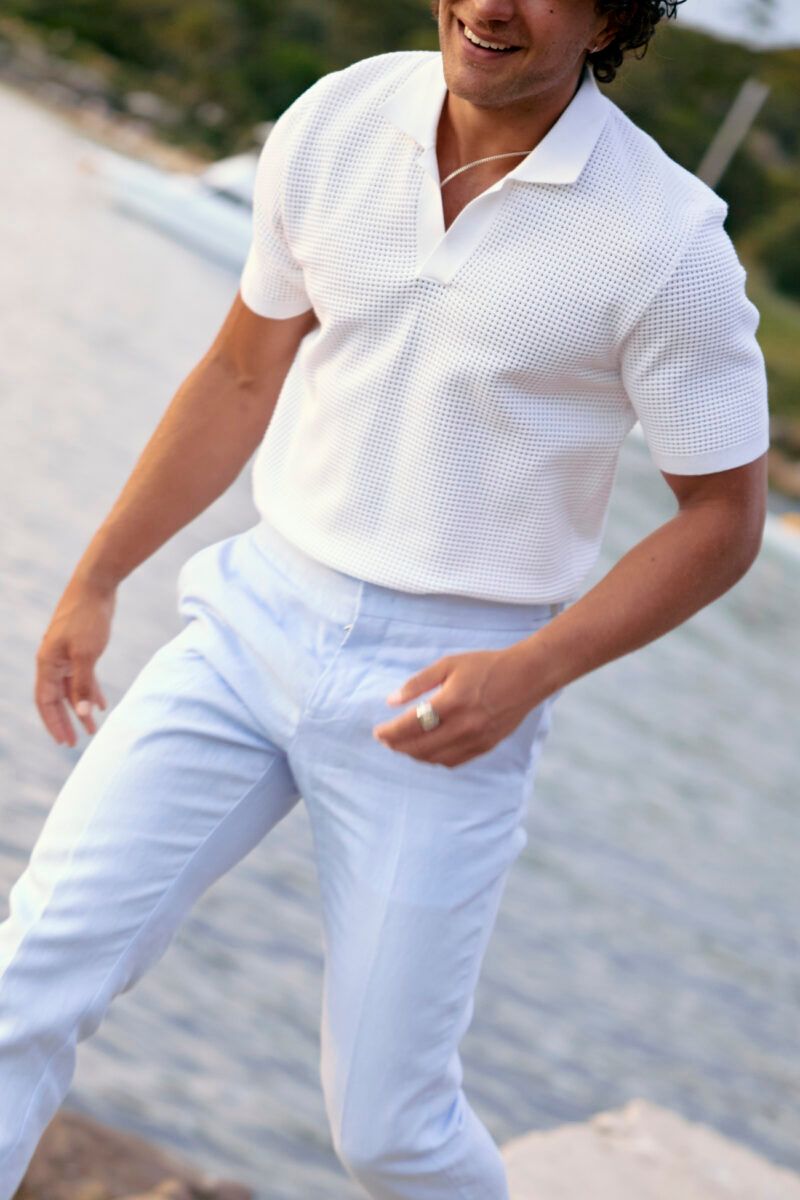
Shift to a humid climate, and linen becomes a liability. Once it absorbs moisture, it gets heavier, clings to your body, and turns into a visibly wet nightmare. Pair that with the too-slim linen tailoring most ready-to-wear brands push for “summer weddings,” often married with synthetic linings, and you’ve essentially spent good money to be slow-poached while smiling for photos.
“There are a lot of ready-to-wear jackets out there made from cotton or linen, but they’ve got a synthetic lining that defeats the whole purpose of the jacket's main material. Because of the lining, they can’t breathe, and it’s not actually doing anything for you as far as staying cool.”
“It’s always better to go unstructured and unlined for summer jackets, ideally with a plan weave fabric, because it will expel heat quite well across your back and you’ll be able to feel any breeze, which will cool you down.”
Much to everyone’s surprise (and in a correct, not-too-dense weave), wool is arguably the best summer fabric you can wear in Australia. Plain-weave or so-called “tropical” wool is light, breathable, and naturally thermoregulating, where the fibres actually open up slightly in the heat to let more air through; tightening again once you’re back under icy air conditioning.
“It’s a bit of an urban myth [that wool isn’t good in summer],” explains Kularatne. “In my opinion, it’s one of the best all-rounder suiting fabrics for Australia, because the weather never gets too cold, it’s versatile, and the plain weave of a wool suit can also cool the body down.
“For most summer weddings, I recommend a wool suit over something made from cotton or linen, because it can keep you cool, and it stays looking sharp because it doesn’t crush as easily as linen or cotton.”
So if you want to stay fresh in photos, long after everyone’s outfits look like they’ve just been pulled out of a crammed suitcase, wool is definitely a fabric to consider.
Poplin cotton still has a place in the arsenal, due to its crisp, light, and ability to draw moisture off the skin (especially in drier climates). The trade-off, however, is UV protection - really fine poplin can leave your shoulders feeling strangely cooked after, even a short walk in the sun, which is where slightly denser plain weaves, airy twills, and textured fabrics like seersucker come into play.
A good wool-cotton seersucker, for instance, sits off the body just enough to create tiny air channels while still providing decent coverage against UV.
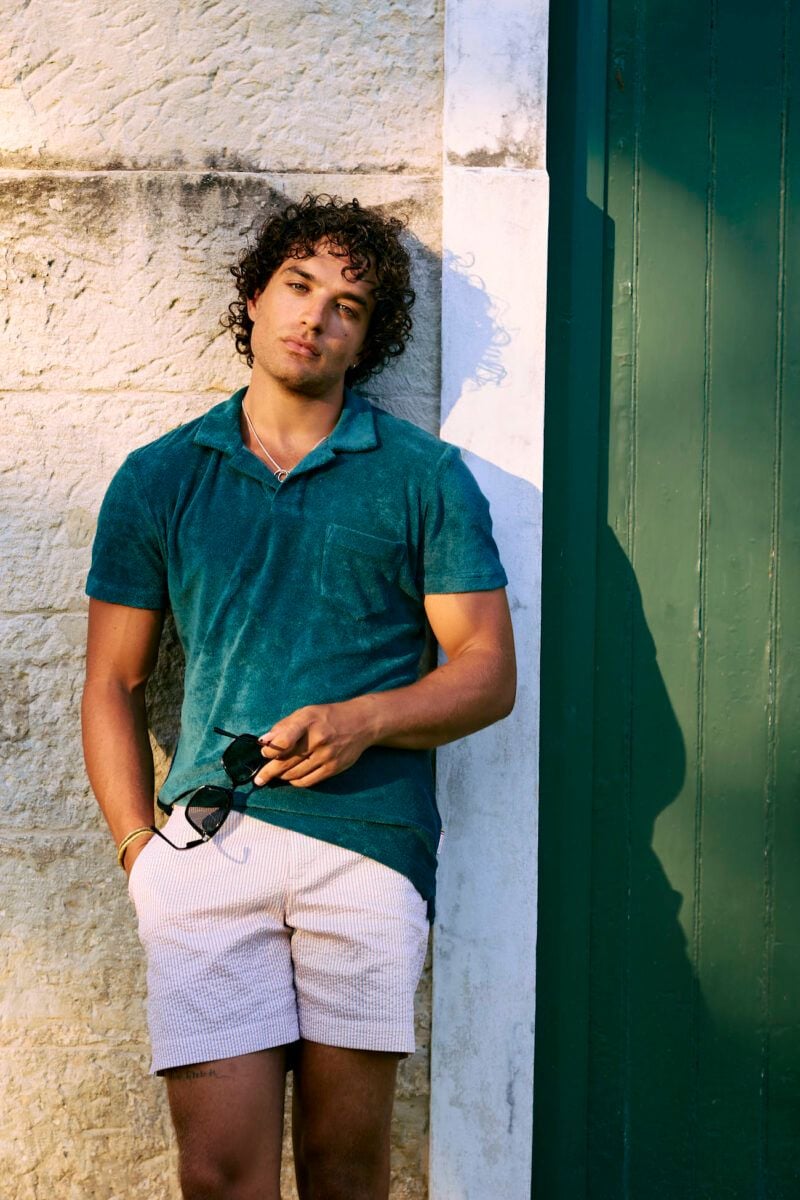
Towelling is another fabric that looks “summery” on Instagram, but in a humid climate, it quickly becomes sodden and heavy.
“I think most people feel like towelling is a good summer fabric, but in my experience, that's not necessarily true.”
In dry heat, a towelling polo or overshirt can be comfortable as it absorbs sweat, softening over the course of a day, and leans into that poolside aesthetic.
If you're in humid heat, a towelling shirt basically turns into a heavy, sodden steamer guaranteed to make you feel hotter than before you put it on. Those of you keen on giving towelling a run should save it for resort evenings, pool bars, and situations where you might actually jump in the water.
“If you’re going to jump in the pool for a quick dip and you don’t have a towel, you can just throw your towelling shirt on afterwards, and it’s actually really functional,” suggests Kularatne.
While not technically a fabric choice, the colour of your ‘fit also matters: lighter shades like cream, pale blue, or soft grey all reflect more UV and keep you cooler, especially during commutes.
Fit
Once you’ve considered the fabrics that might work best for you, the next stage to consider is the fit of your clothing, because in summer, it isn’t about tight, tapered garments - it’s about proportion and airflow.
“There’s an illusion people have that summer tailoring needs to have an aggressive silhouette, but it just needs to be proportional. It should sit just off the body and promote airflow; otherwise, you’ll get hot.”
A jacket that looks razor-sharp on a chilly autumn morning will absolutely cook you if it’s cut too close in the chest, too high in the armhole, and too tight around the neck. Keep in mind your body sheds heat most efficiently around the neck, underarms, and inner wrists, so if you clamp any of those points down with cloth, you’re basically cranking your internal thermostat up.
That’s why a good summer blazer should be unstructured or very lightly structured, with structured or soft shoulders, minimal fusing, and a little more ease around the body. You still want it to follow your shape, though it should sit just off the torso - and it’s best paired with a natural lining like silk, not polyester.
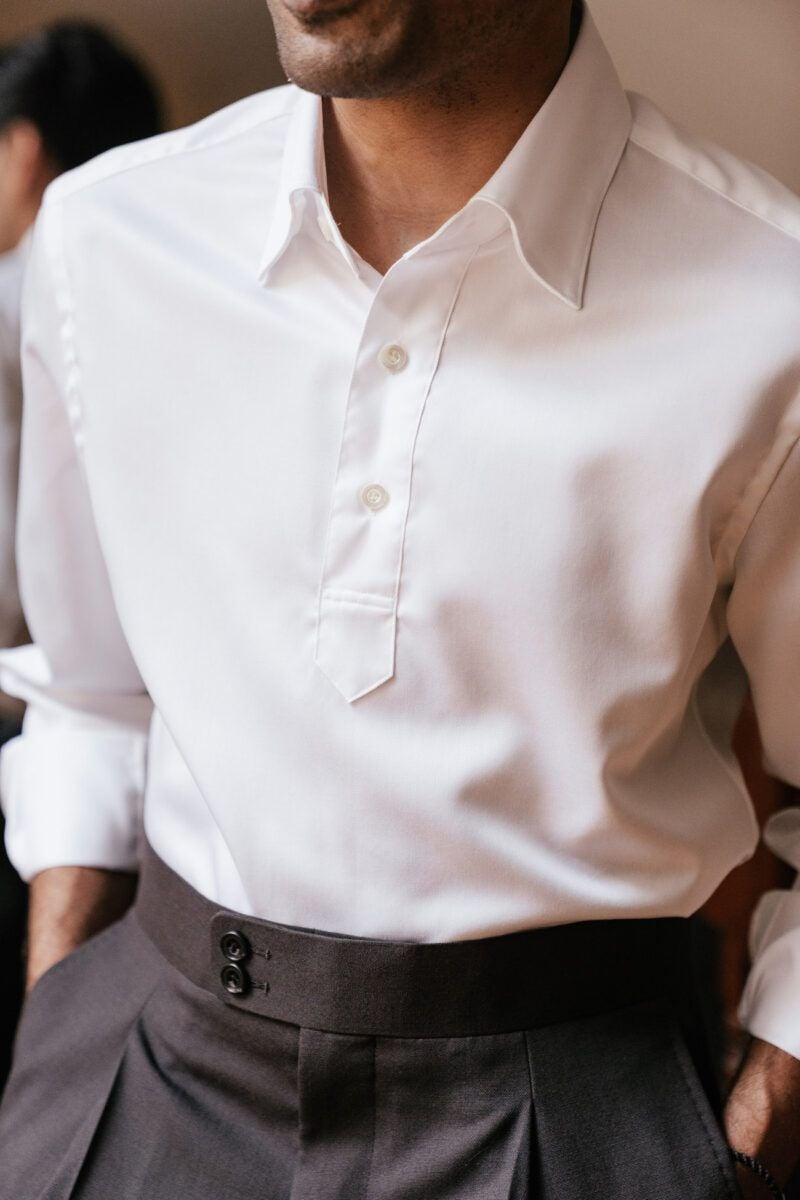
When it comes to shirts, you should approach them with the same philosophy, especially in humidity. A slightly looser cut will keep you far cooler than something that’s been severely tailored, and one easy trick that makes a big difference is to leave your cuff button undone under a jacket. It’s hardly noticeable to anyone around you, and yet it creates a permanent air vent at the wrist that helps warm air escape down the sleeve.
If you’re still reading, you won’t be surprised to learn that trousers should be approached in a similar vein - in humid places, a straight-cut pant in a breathable wool, cotton, or linen allows air to move up and down the leg, while in drier climates, Kularatne recommends a little more shape:
“The advantage of dry heat is that you can go a little more tapered in the silhouette of the garment, because you don’t need as much airflow to help with any sweat evaporating.”
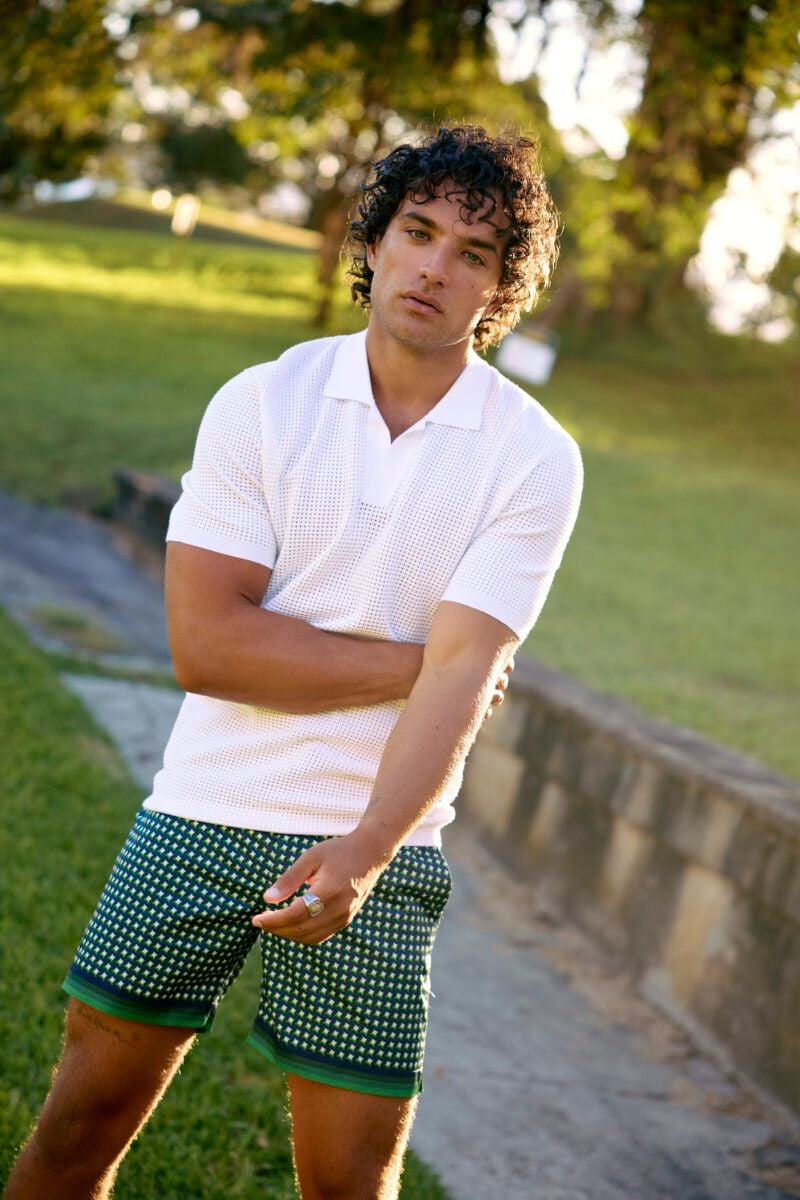
Shorts can absolutely look the part if you’re thoughtful about how you style them. Find a pair that sits just above the knee for a pretty universally flattering impression, and don’t forget that a tailored waistband (fitted with side tab / removed belt loops) is the best way to elevate shorts from looking like they belong in Seminyak, paired with a Jordan-era Bulls singlet.
As a rule of thumb, if you’re sweating through your jacket or shirt in normal conditions, something’s fundamentally off. Summer tailoring should feel relaxed and slightly nonchalant, with a bit of rumpling and creasing that’s part of the charm.
Footwear
Footwear choice is where a lot of otherwise sharp summer outfits fail spectacularly, mainly because gents fail to remember the goal of summer shoes: let your feet breathe without abandoning a sense of occasion.
If you’re attending an event that’s informal enough for our feet to be out and about, sandals or slides are perfect. Sandals like Birkenstocks have shifted from being laughed at as “Jesus shoes” to now being completely acceptable just about anywhere.
Likewise, a clean leather slide can look incredibly sharp with linen trousers, well-cut shorts, or even relaxed tailoring, particularly when you’re near a body of water. The key is quality and intention – you want to be wearing something that feels considered, rather than a relic your mum bought you on a family holiday.
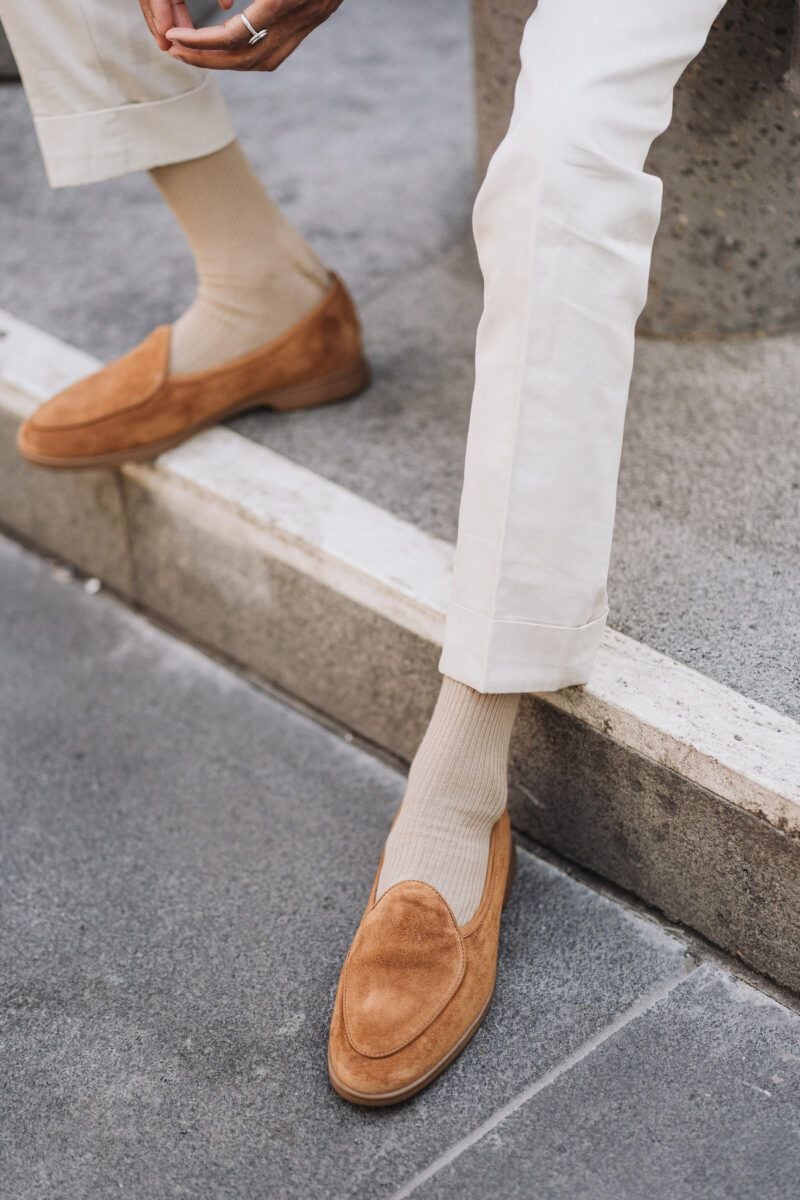
Boat shoes, espadrilles, and canvas lace-ups all have their place too, because they’re light, airy, and work with everything from chinos to tailored shorts. However, any shoes that are banged up, dirty, or look like you found them at a rural op shop are an extraordinarily fast way to demote an outfit from elegant to ugly.
Casual loafers can be another great look if you need to dial up the formality a touch, but it’s important that you don’t forget to have something between your foot and your shoe.
“You 100% need to wear socks,” Kularatne promises. “Most guys need that absorption, and it’ll keep your shoes looking and smelling fresh.”
For any shoe that’s a sealed environment (including boat shoes and canvas lace-ups), and regardless of the temperature outside, invisible socks are non-negotiable. Those low-cut, ballet-style socks give you the clean ankle line, quietly absorb sweat, and protect the inside of your shoe (as well as the noses of everyone around you).
Final Tricks & Tips
Beyond fabric, fit, and footwear, there are a few small hacks that'll make surviving summer infinitely easier. The first is to start the day cold:
“One of the biggest things we can do to help with dressing for summer happens before you even get dressed. When you’re having a shower, if you finish it off with a minute of cold water, it’ll drop your body temperature down, and it’ll continue to keep you cool for at least half an hour or an hour.”
If you do find yourself overheating later during the day, remember that your inner wrists are a point where your body thermoregulates itself.
He continues: “If you’re feeling really overheated and overwhelmed, go to the bathroom and run the insides of your wrists under cold water for about 15 seconds. That’ll drop your body temperature down pretty quickly for the next few hours.”
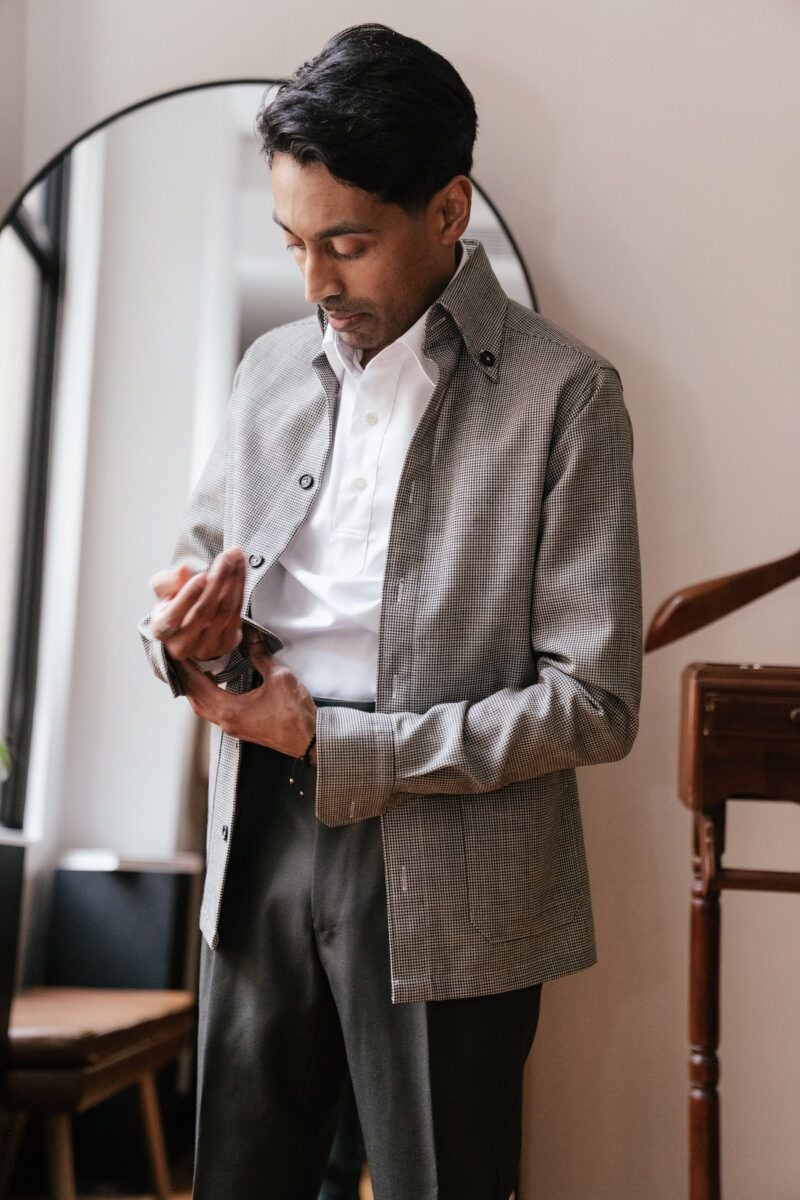
Finally, embrace a bit of imperfection.
“There should be a conscious decision when you’re wearing something for the summer. It should have a little bit more ease to it, and you should be okay with a little bit of imperfection in the garments – like creases and whatnot – to be more comfortable.”
Summer style works best when it looks easy, and a slightly crushed linen shirt or an unstructured blazer with a few creases is emblematic of the relaxed energy that summer brings.
Get the fundamentals right, and the Australian summer goes from something you endure to something you can actually enjoy.
Article body photographer credits to Jason Lau and JP Velarde.
If you enjoyed this guide to dressing well for summer, you might enjoy Boss Hunting's other style guides below: