

In 2023, the United States Surgeon General declared a public health epidemic of loneliness. The same year, Tim Gurner opened Saint Haven in Collingwood; the year after that, Soren Trampedach began accepting members into The Sandstones Club; and last May, Steve Grace opened The Pillars. None of these men would describe what they have built as a response to a public health crisis, but after speaking with them about why they built what they had, the connection is difficult to ignore.
“Australia’s never been great at celebrating the success of people," Steve Grace, The Pillars founder, tells B.H. "As a result, there’s nowhere for successful people to go and be together."
"There are so many places to go as you’re becoming successful, but once you've done it, you can't go to those places anymore, because everybody wants to talk to you about how you've done it."
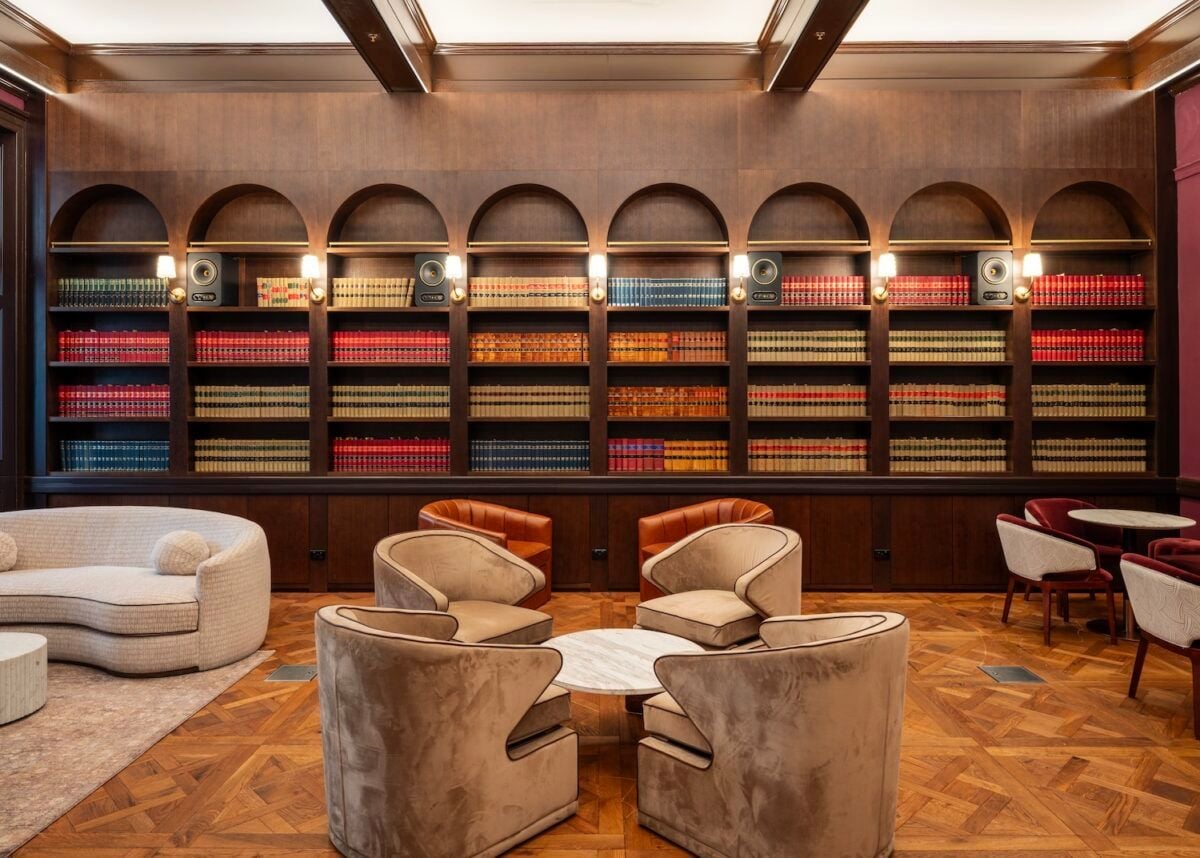
It's certainly an enviable problem to have. However, there's still some version of that logic that turns out to be the same founding principle behind the new generation of private members’ clubs opening across Sydney and Melbourne. Some are built around professional community and prestige. Some are designed as total wellness sanctuaries. Some occupy the territory between a luxury gym, a bathhouse, and a coworking space.
Though what they share is a belief that there’s a serious, underserved market for curated spaces where people can work, recover, socialise, and, ultimately, find one another. Understandably, there’s also a willingness to charge accordingly, with annual memberships ranging from around $4,000 to $30,000, while some wellness clubs approach $52,000 at their highest tiers.
Despite these substantial figures, the ambition isn’t a straightforward commercial one, but an understanding that modern life has left people more isolated than they know how to admit, and that the solution to that isolation needs a physical address.
Squattocratic Beginnings
To understand why there’s been such a rapid growth in private members’ clubs in the last few years, it helps to understand how basic Australia's private club culture has always been.
The oldest members' clubs date to the earliest years of colonial settlement. Both the Melbourne Club and The Australian Club in Sydney were founded in 1838, established by gentlemen who wanted to recreate the London clubs they had left behind. Both survive today, both remain men-only, and both carry the social DNA of the squattocracy that built them.
For much of the last 150 years, grand premises, conservative membership, strict dress codes, and an avoidance of anything that smelled like commerce remained the template. This model, combined with Australia’s comparative isolation, meant the market for members’ clubs never developed the way it did in London, New York, or Singapore.
Grace, who moved from London to Australia 26 years ago, had spent eight years as a member of the Club of United Business, where he was the eighth member. He outgrew the place, because while the clubs he knew in Asia and the UK each had their own distinct characters, the scene in Sydney remained fixed by the old guard.
Soren Trampedach, the Danish-born founder of Florence Guild, has made the same observation since he moved to Australia in 2005. He had written the original concept for a professional community club more than 20 years ago, drawing on da Vinci's approach to his own network that focused on a conscious cultivation of people from different disciplines and industries, with the belief that diversity in the people you spend time with elevates the quality of your own work.
When he opened Florence Guild’s first Work Club in Sydney in 2013, the response from potential investors was sceptical. For years, when he argued that community and connection were the core of what he was building, people were "rolling their eyes and thinking, oh, that's a bit fluffy." The market gap was real, but almost nobody in Australia had moved to fill it.
The Pillars: Somewhere For Success To Go
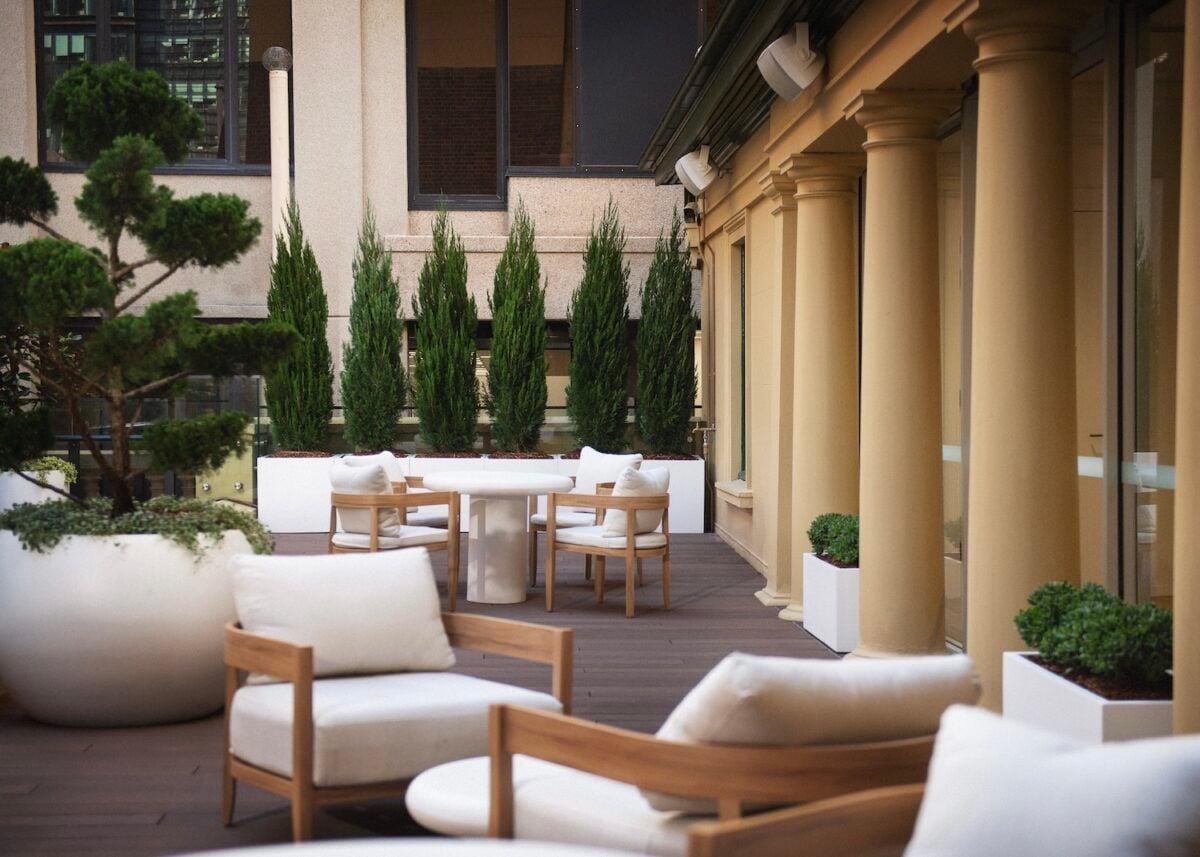
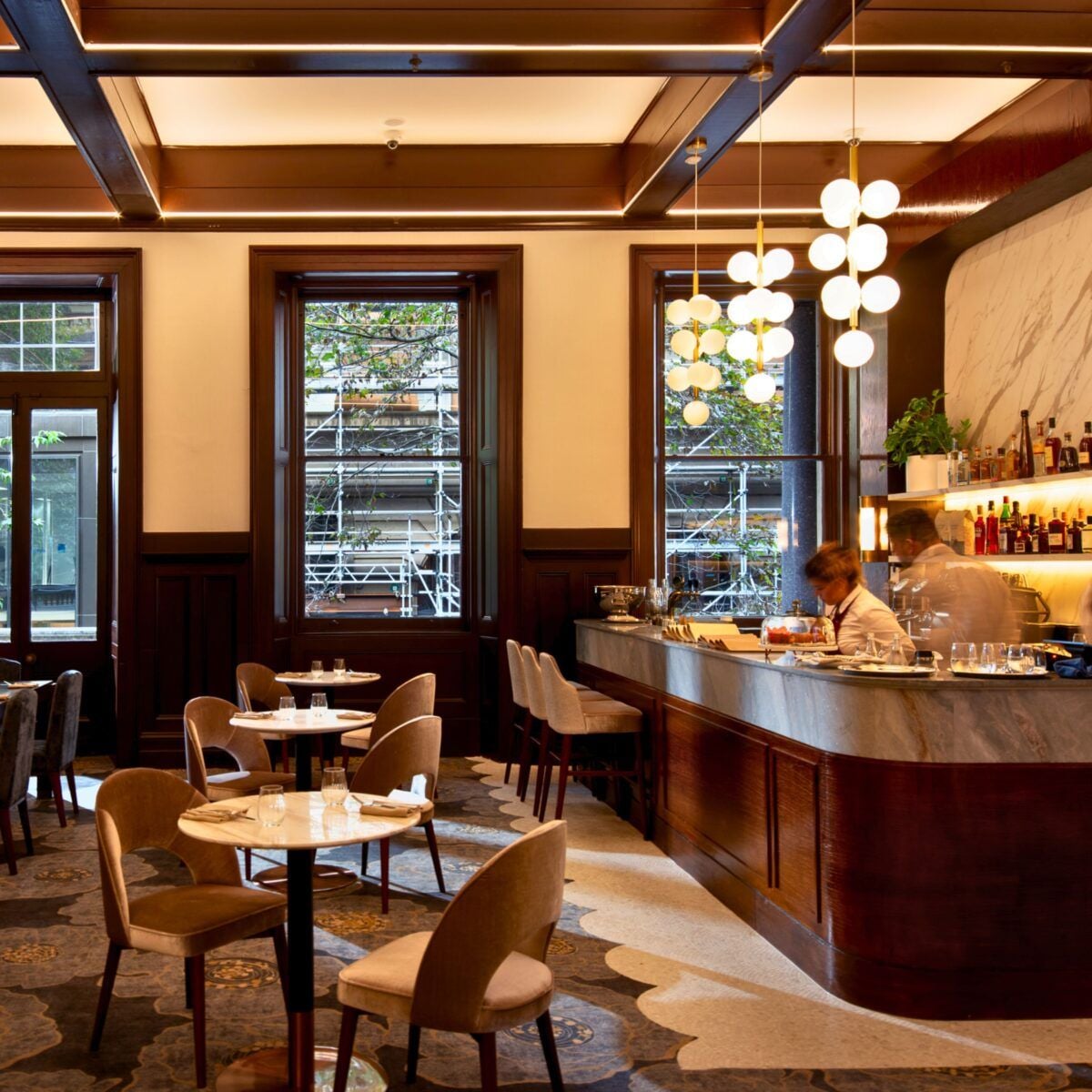
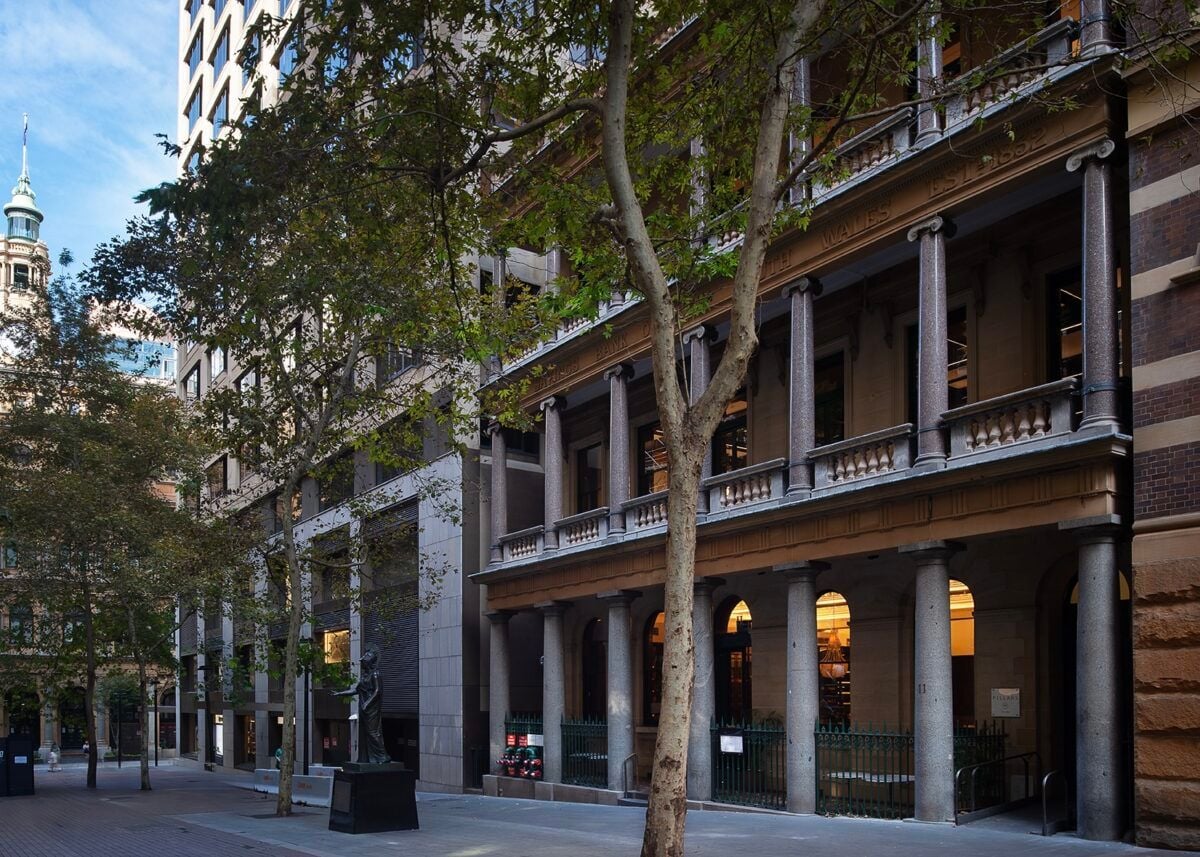
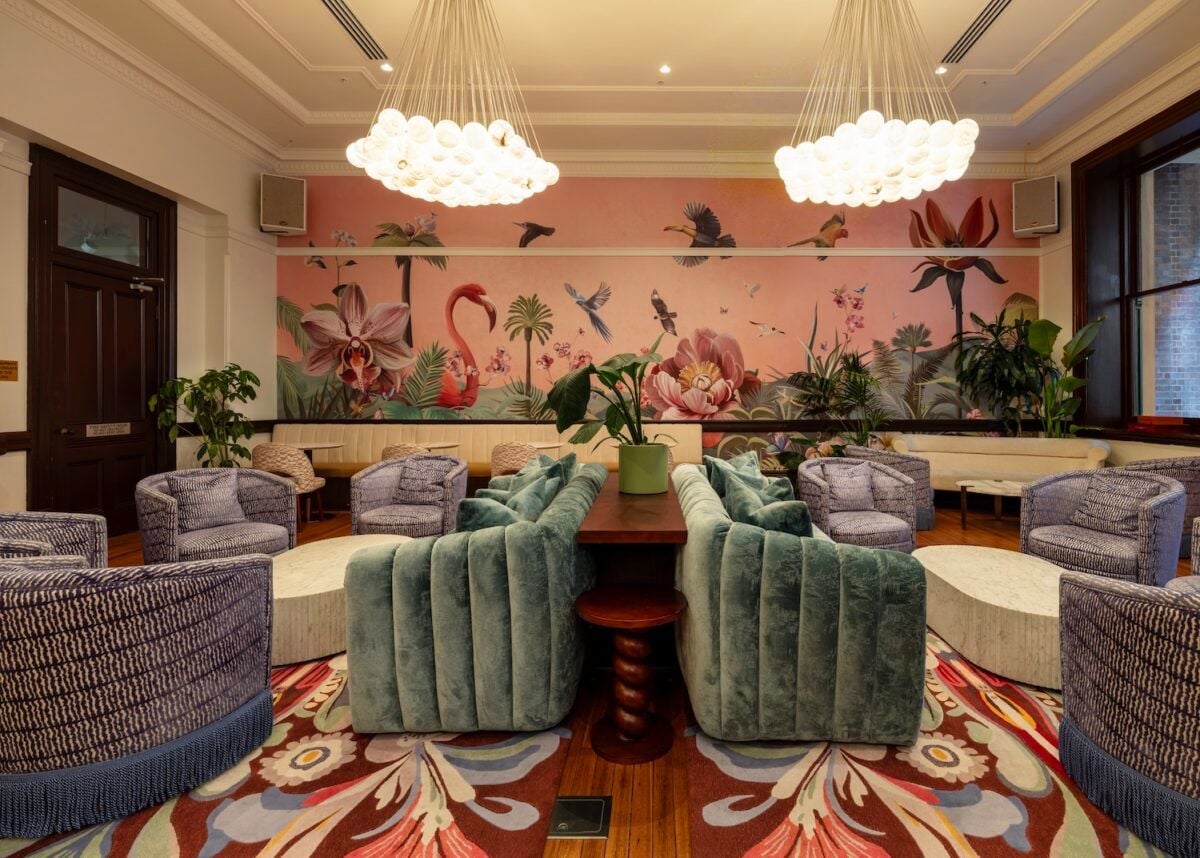
Steve Grace spent a year and a half looking at properties across Sydney before landing on the perfect location to open The Pillars with his five co-founders, a heritage-listed former bank premises, that, after a $10 million renovation, now houses four levels of the club: a ground-floor restaurant operated by the two-hatted Bentley Group, private workspaces and meeting rooms, a gallery featuring works by Andy Warhol and Damien Hirst, and a wellness floor with a sauna, ice bath, and rooftop terraces.
After the $5,000 joining fee, the standard annual membership is $20,000, with founding members having paid $25,000 and receiving $5,000 in dining credit ($3,000 for standard memberships).
"For Australia to be a genuine global player in innovation, we need to find successful people and put them together so they do more successful things together," Grace says.
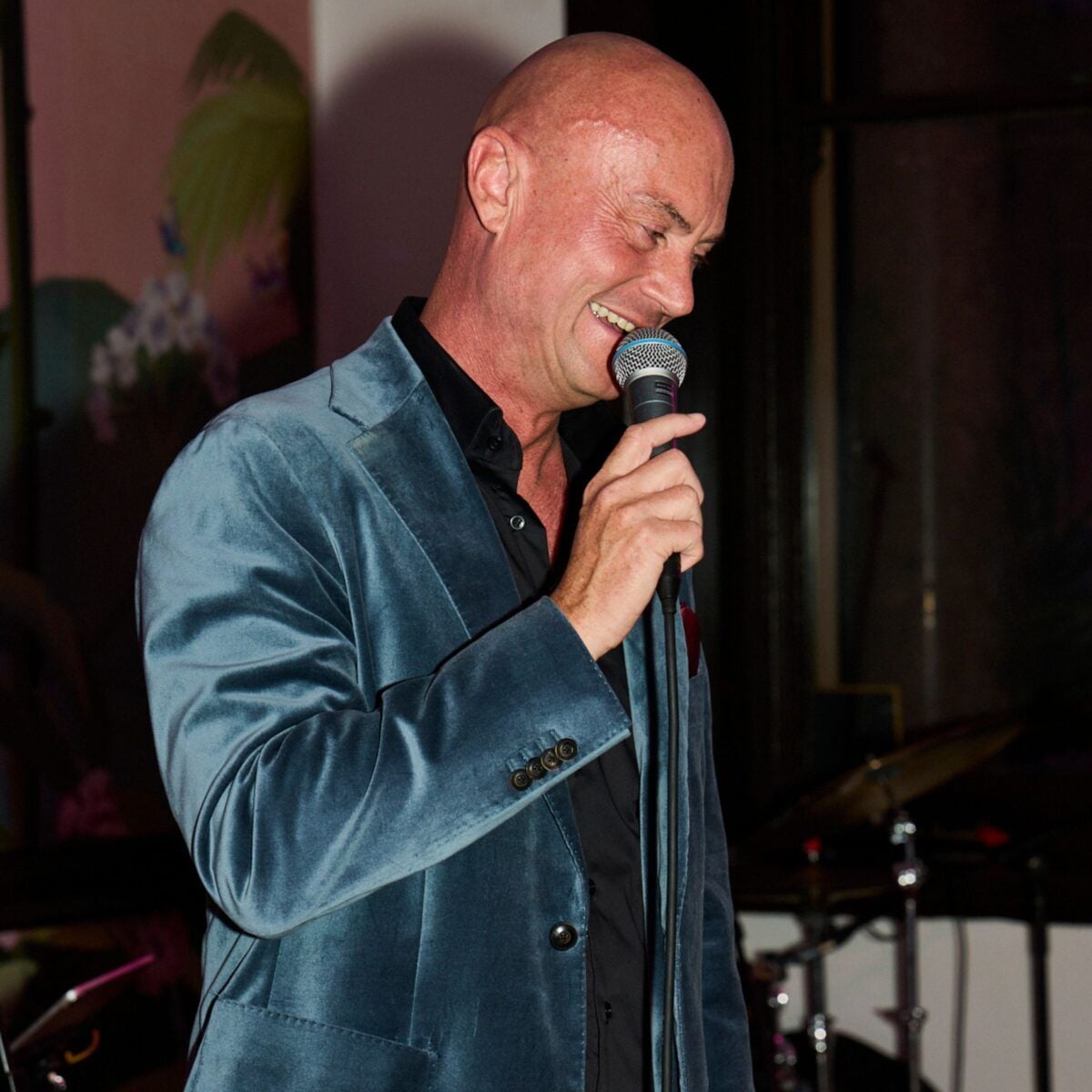
He believes there’s a category of person caught between the environments designed for aspiration and the environments designed for the general public. "There isn't really anywhere to go," he says. "You go to each other's houses, you go to restaurants, but there's no community."
In its first year, the club ran between 15 and 20 events per week, ranging from whisky tastings and talks to a Commando Welfare Trust experience that saw 20 members flown up the Parramatta River in Black Hawk helicopters for a special forces demonstration. For Grace, shared experiences like these create the organic connections that typical networking events almost never do.
"People only come on experiences if they're of interest to them," Grace says. "So you end up with people who are naturally going to get along."
This approach to building connections is obvious in the way the club approaches networking and has quickly shaped the way in which its members move and interact within the space. As Grace tells me, when small groups gather at The Pillars bar in the evening, he’ll almost always see them naturally drift together over the course of the night.
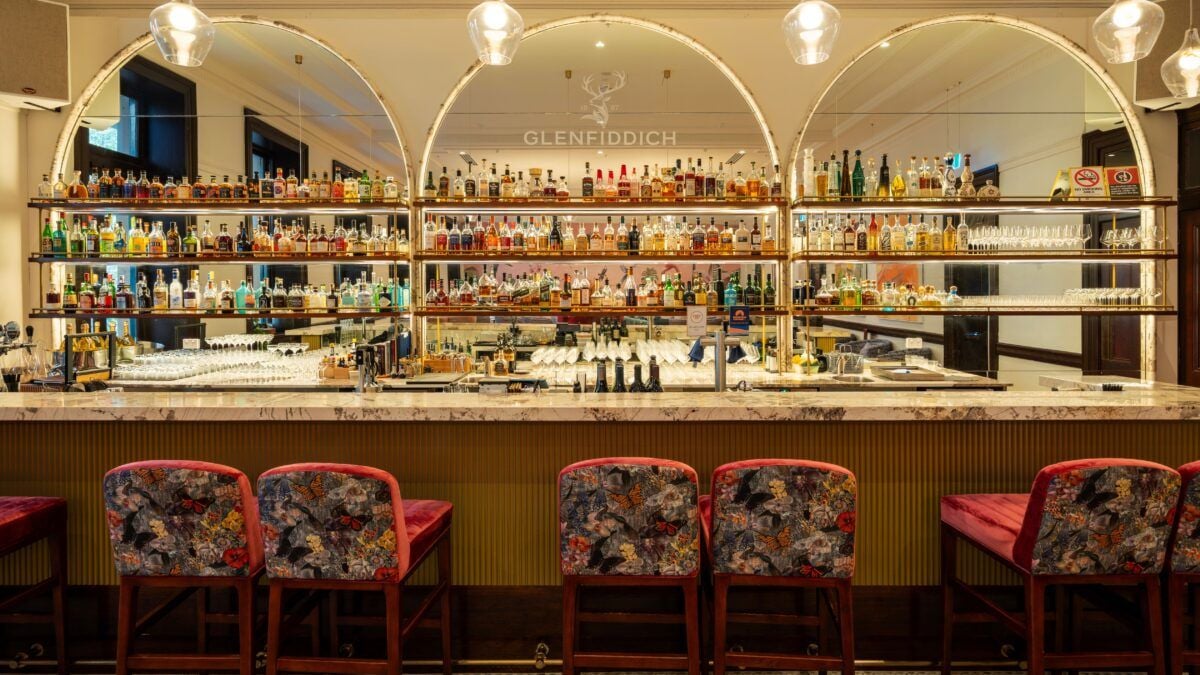
The club's 88% renewal rate over the first year does plenty to vindicate this model, and while the membership currently sits at around 380, Grace and his co-founders are aiming for a membership ceiling of around 550.
What’s probably the biggest departure from tie-wearing traditional clubs is that close to 40% of the membership is female. And while a healthy gender balance wasn’t something The Pillars team explicitly screened for, Grace's wife observed that seeing women in every part of the club alone, at all hours of the day, reflected an inherent sense of safety throughout the entire space.
"As much as the four of us have put our lives into this over the last 12 months," Grace continues, "I don't think any of us tried to create the identity. It’s been created by the members themselves, and that's what blows me away the most."
The Sandstones Club: The World Is A Mirror
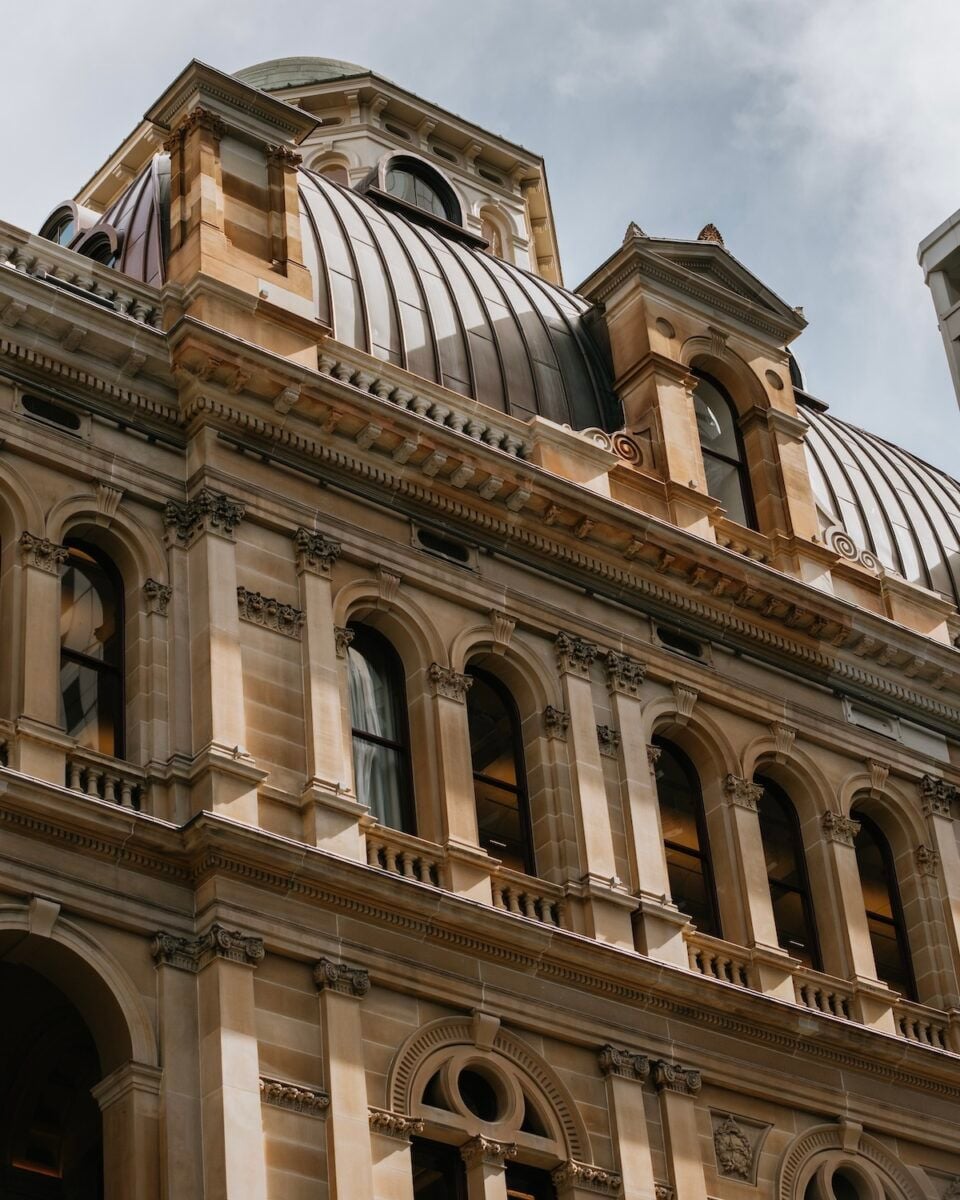
Today, Soren Trampedach's Florence Guild network has grown to 11 sites across Sydney, Melbourne, and Canberra. But The Sandstones Club, set within a 19th-century sandstone landmark building in Sydney's CBD, is its most ambitious project to date.
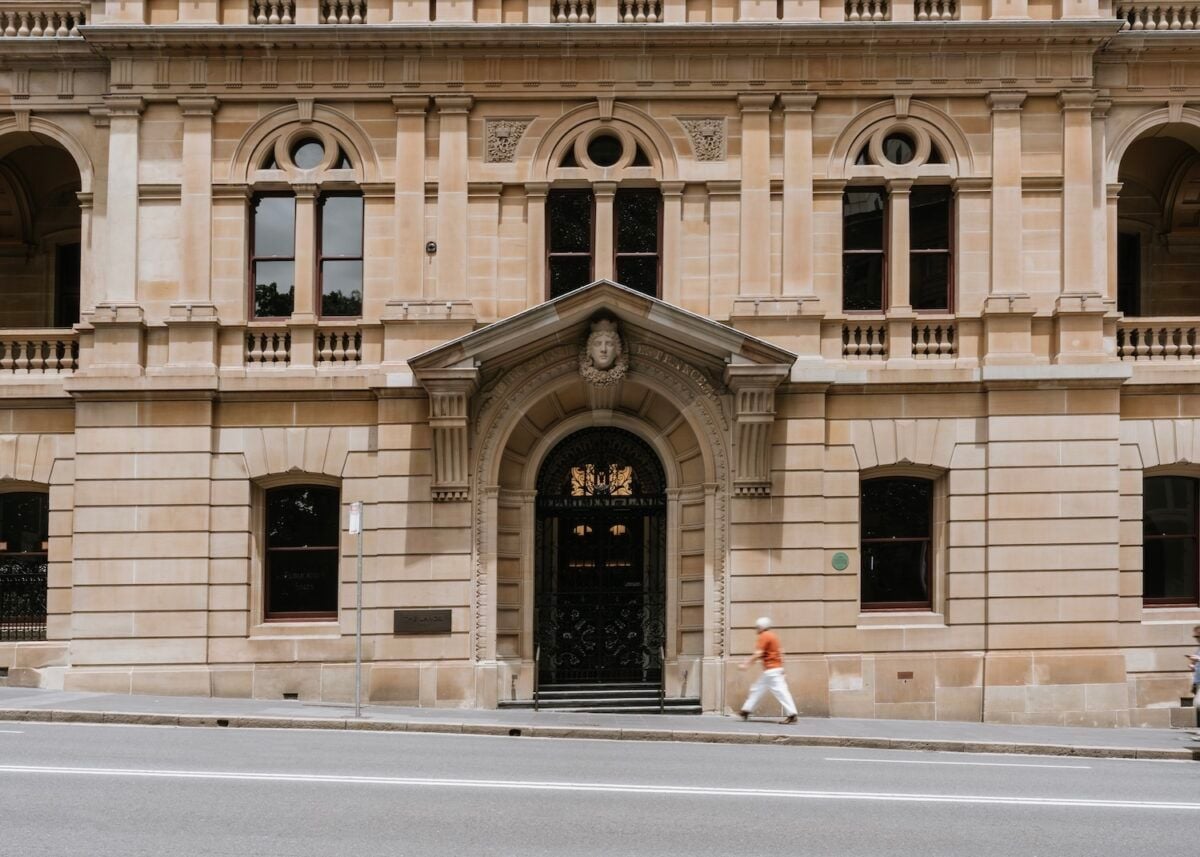
To join, an annual fee of $30,000 is just the first step for membership to one of Sydney's most exclusive clubs. Next, the screening process is conducted by a small central team that researches every application, and Trampedach is explicit about what he is looking for.
"People who give first and then receive," he tells me. "Not people coming in and posturing about being a member of this club, but a community that wants to play a role in having a positive impact. People turning up, being humble about wherever they are on their journey."
Trampedach shared that the team had recently received a handful of high-profile applicants, all of whom were turned away because of cultural fit. As a result, the club will fill more slowly. But that’s something Trampedach is more than comfortable with.
Trampedach acknowledges there's a tension during the screening process to find the right candidate with the necessary level of income, who is also the right cultural fit for the club's stringent criteria. It's “almost annoying," he concedes.
To address this, the club is developing a scholarship programme at both ends of the demographic range, aimed at young people from public schools who would not otherwise have access, and concessionary memberships for people over 65 who find that the professional world has diminished its interest in them.
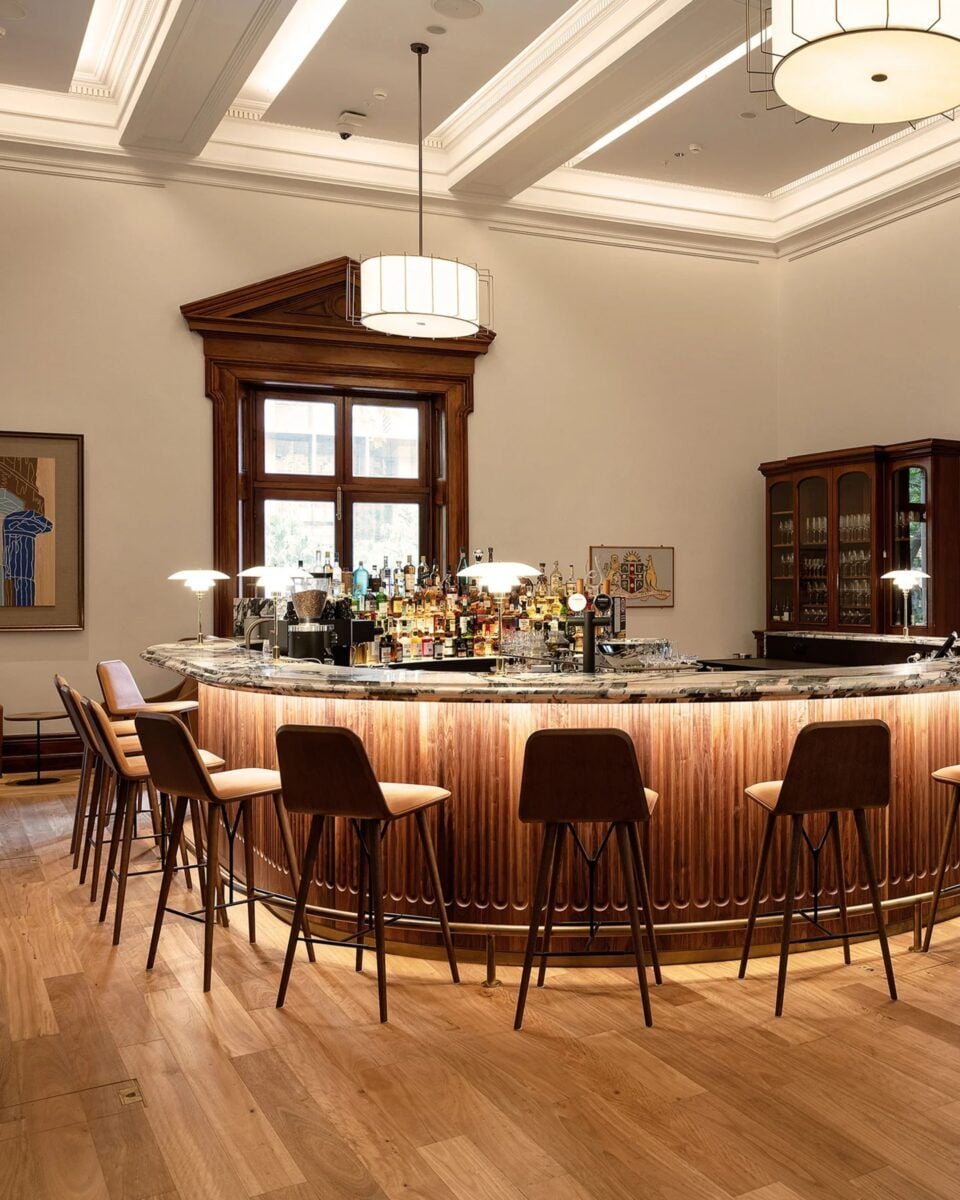
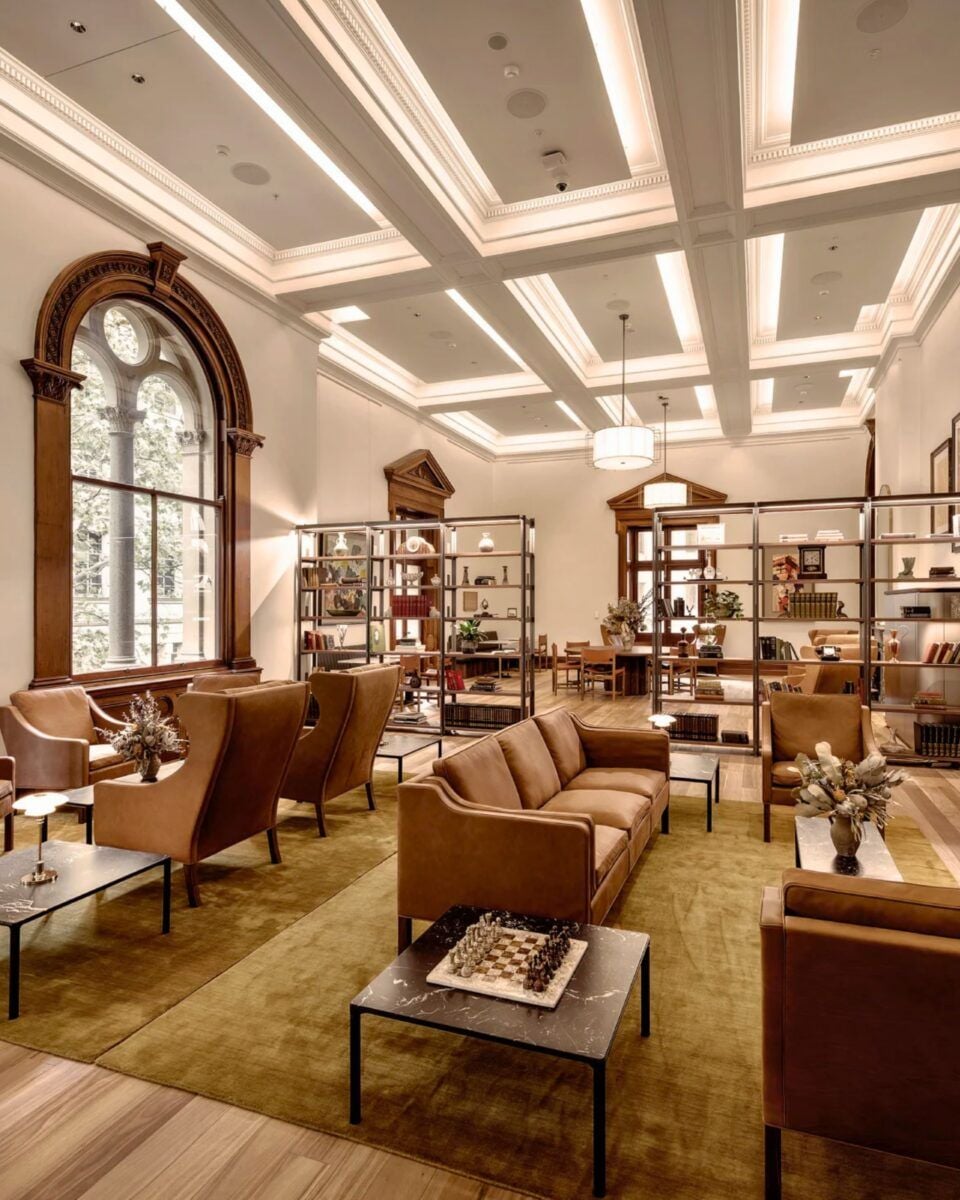
As for the space itself, The Sandstones Club includes private office suites, shared workspaces, a fully-stocked bar, and a 140-seat Italian restaurant, led by Michelin-chef Jae Bang, which will launch on the ground floor of The Lands by Capella in September.
The club also places a strong emphasis on cognitive wellness, with a programme designed to prioritise brain health as much as physical performance at the centre of the club’s offering. As Trampedach tells me, "There's no point being super healthy and living ten extra years if your mind is not well."
The events programme is another point of pride for Trampedach, which he’s developed over the years at his various Work Club locations. There are eight different formats for these experiences, which range in group size and subject, but are all aimed at creating space for interesting, meaningful discussions that aren’t afraid to broach uncomfortable topics.
Saint Haven: Health Is Wealth
Tim Gurner opened his first gym in Elwood at the age of 21. Three months later, his father died from multiple myeloma.
"That experience fundamentally changed my relationship with health and longevity," he recalls. It put Gurner on a personal pursuit to better understand sleep optimisation, nervous system regulation, cellular health, and preventative medicine. Over two decades, it became the foundation for what Saint Haven is today.
"I travelled the world testing emerging technologies, therapies, and modalities on myself long before Saint Haven existed as a business," he says. "I would see a beautiful bathhouse, do some amazing testing, see some incredible private clubs and hotels, and just wanted to find a way to bring it all together as no one had ever bought it all into one space globally."
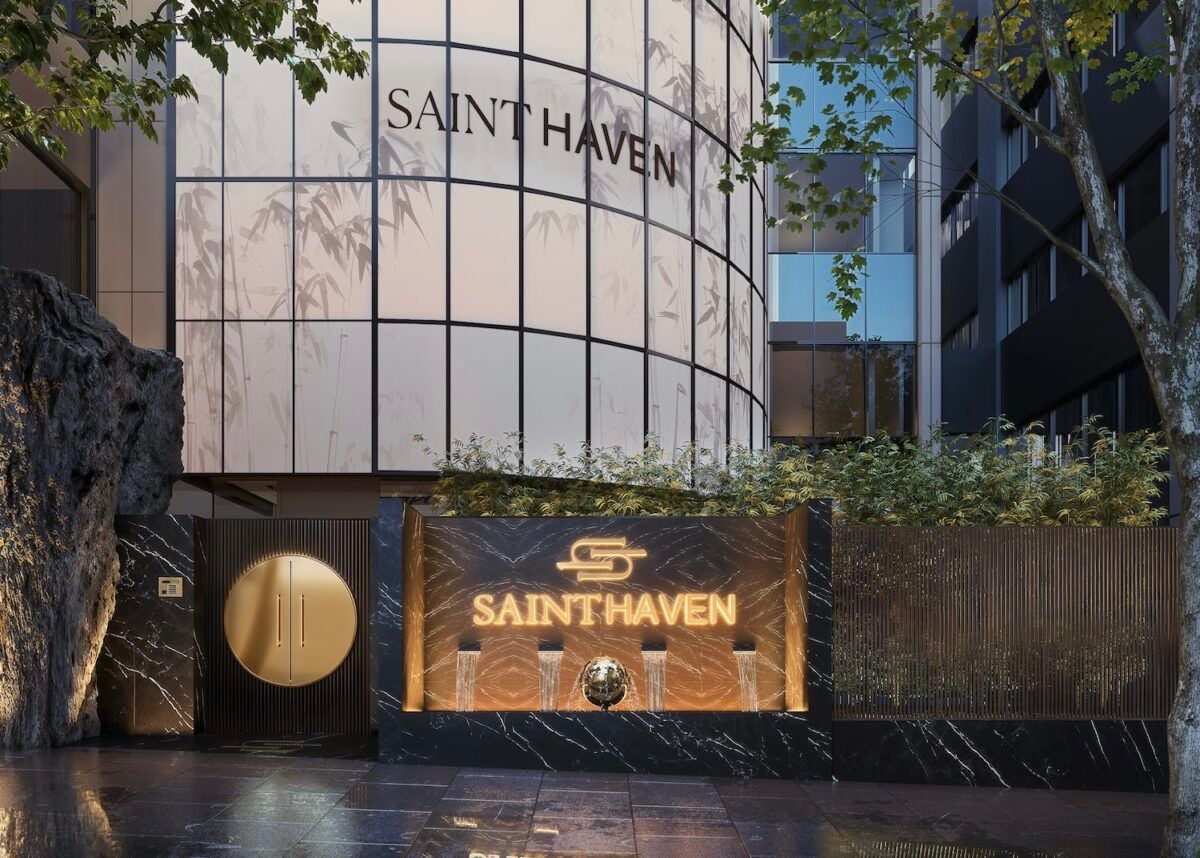
The clubs, deliberately capped at 500 members each, have a strict five-stage application process that has seen a high number of applicants rejected over the years. Understandably, the annual fees reflect the depth of what is on offer, with prices starting at around $229 per week and, at the most comprehensive level, rising to $599 per week.
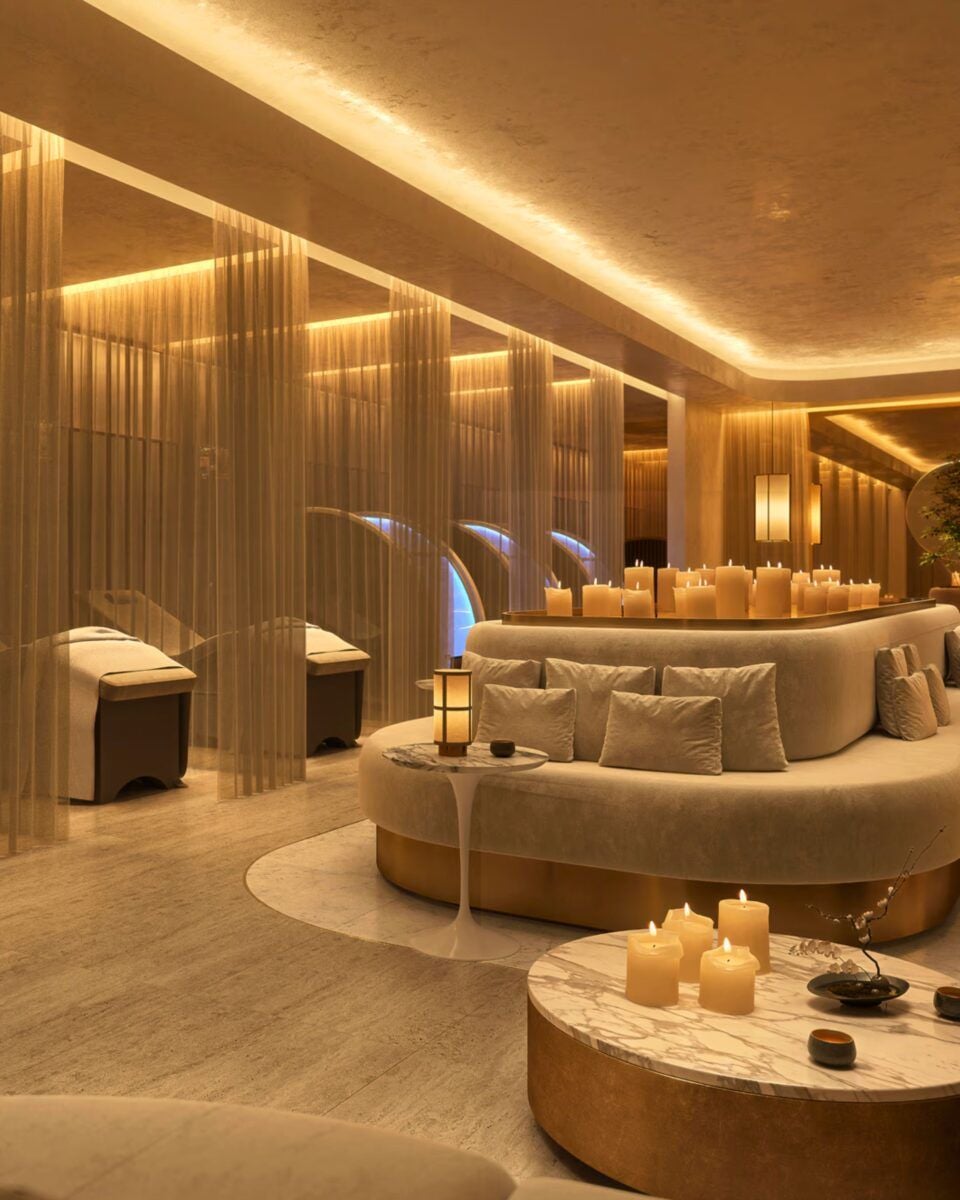
Though what members receive is unlike anything else available in Australia. Each location houses hyperbaric oxygen chambers, cryotherapy, IV infusion therapy, full-body red light therapy, infrared saunas, cold plunge pools, magnesium baths, PEMF mat therapy, DNA and bloodwork testing, integration with wearable data from devices like the Oura ring, and access to Prenuvo whole-body MRI screening.
Beyond those more recognisable medical facilities, Saint Haven also offers spiritual healers, meditation practitioners, and breathwork coaches who sit alongside the credentialled health professionals.
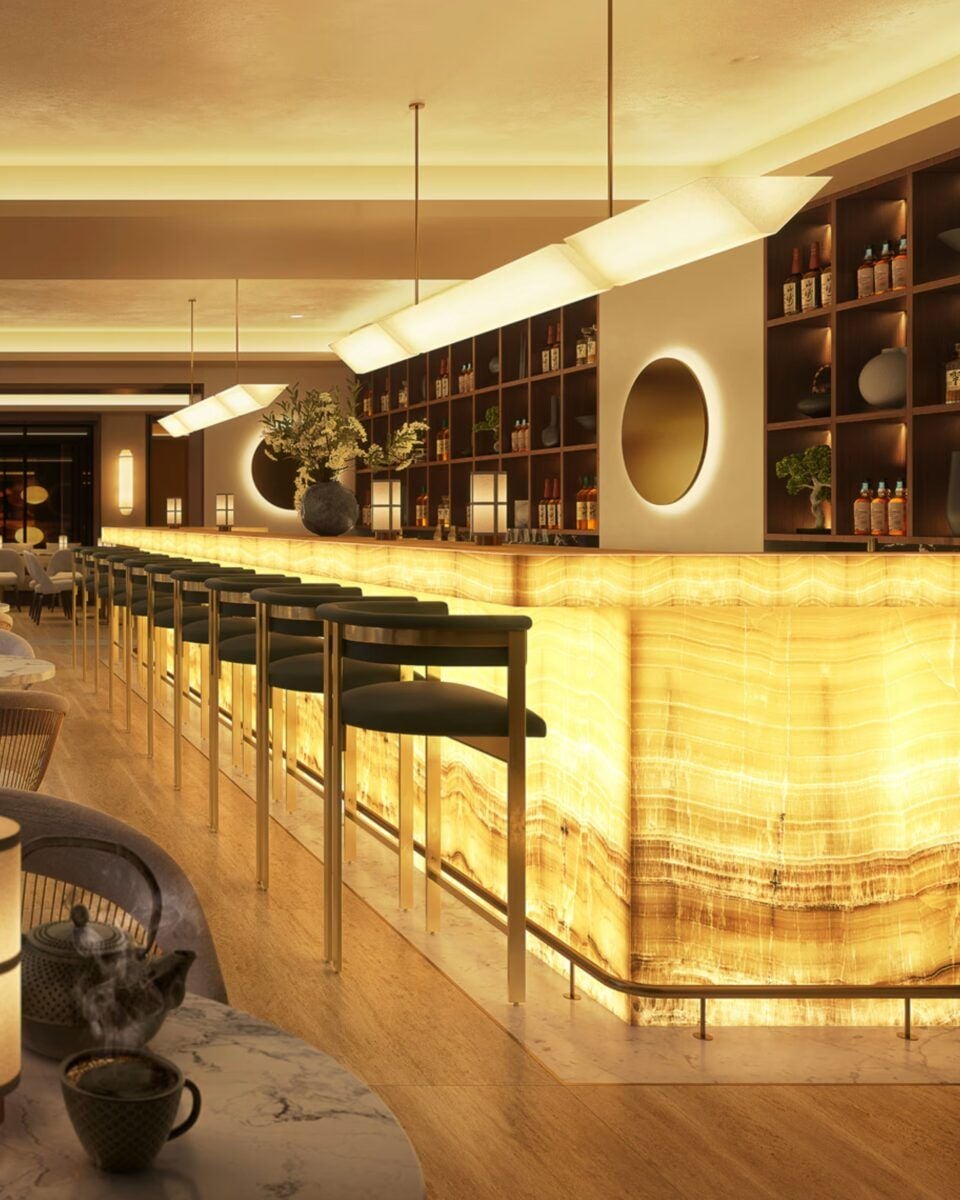
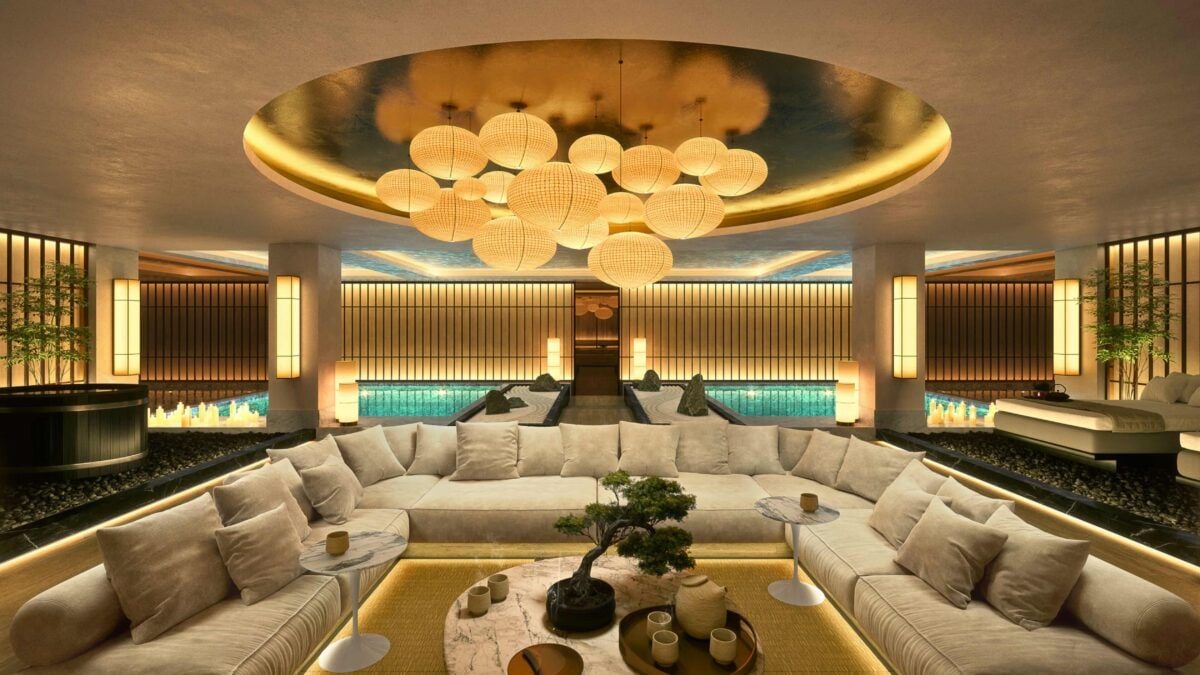
The common denominator across the membership, Gurner tells me, is not profession or status, but a shared purpose and perspective.
"You could be at the bar next to a rising star artist, a bank CEO, a billionaire, and you would not be able to tell who is who, as they’re in a hoodie, shoes off, and relaxed in their sanctuary."
What strikes Gurner most about the personal journey that produced Saint Haven isn’t the technology or the protocols, but what the path led him towards.
"The deeper I went into wellness, the less it became about optimisation alone and the more it became about community connection, calmness and meaning," he says. "The greatest luxury today isn't just performance; it's community, your tribe, feeling well, sleeping deeply, thinking clearly and having people around you who elevate your life."
This is why, despite the incredible level of sophistication on offer, Gurner disagrees with the notion that Saint Haven is just a clinic for rich people. "When people train together, recover together, share rituals together and prioritise growth together, genuine relationships naturally form," he says.
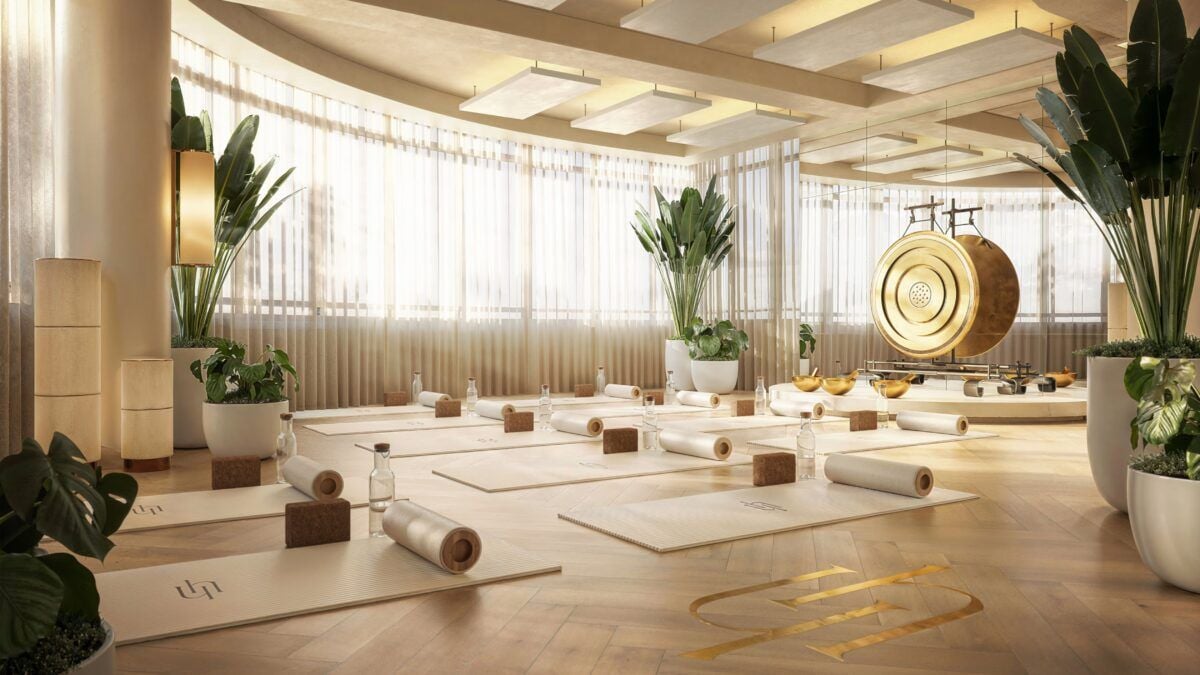
The sense of community that The Pillars and The Sandstones Club have created through events and facilitation, Gurner believes, arrives at Saint Haven as a byproduct of shared physical and emotional experience.
In Gurner’s mind, his health journey and career in property were always going to converge, and he believes the future of development isn’t just brick-and-mortar sites dotted across Australia, but ecosystems designed to improve how people feel rather than merely where they sleep.
"The reason Saint Haven integrates so naturally into our developments," he explains, "is because wellness is no longer a separate category of life. People increasingly want health, recovery, community and connection embedded into the way they live every day."
The Commons Health Club: Wellness For Everyday Life
Not everyone seeking a better sense of community is able to spend $20,000 on a professional network or a medical-grade longevity clinic. The Commons Health Club, born from The Commons coworking office spaces that have been around for a decade, serve that need better.
Amanda Harrod, the club's General Manager, who has previously worked at several boutique gyms and ClassPass Australia, describes the founding motivation pretty simply: for years, The Commons team watched members rushing out for workouts and appointments, before driving back across Melbourne to their desks.
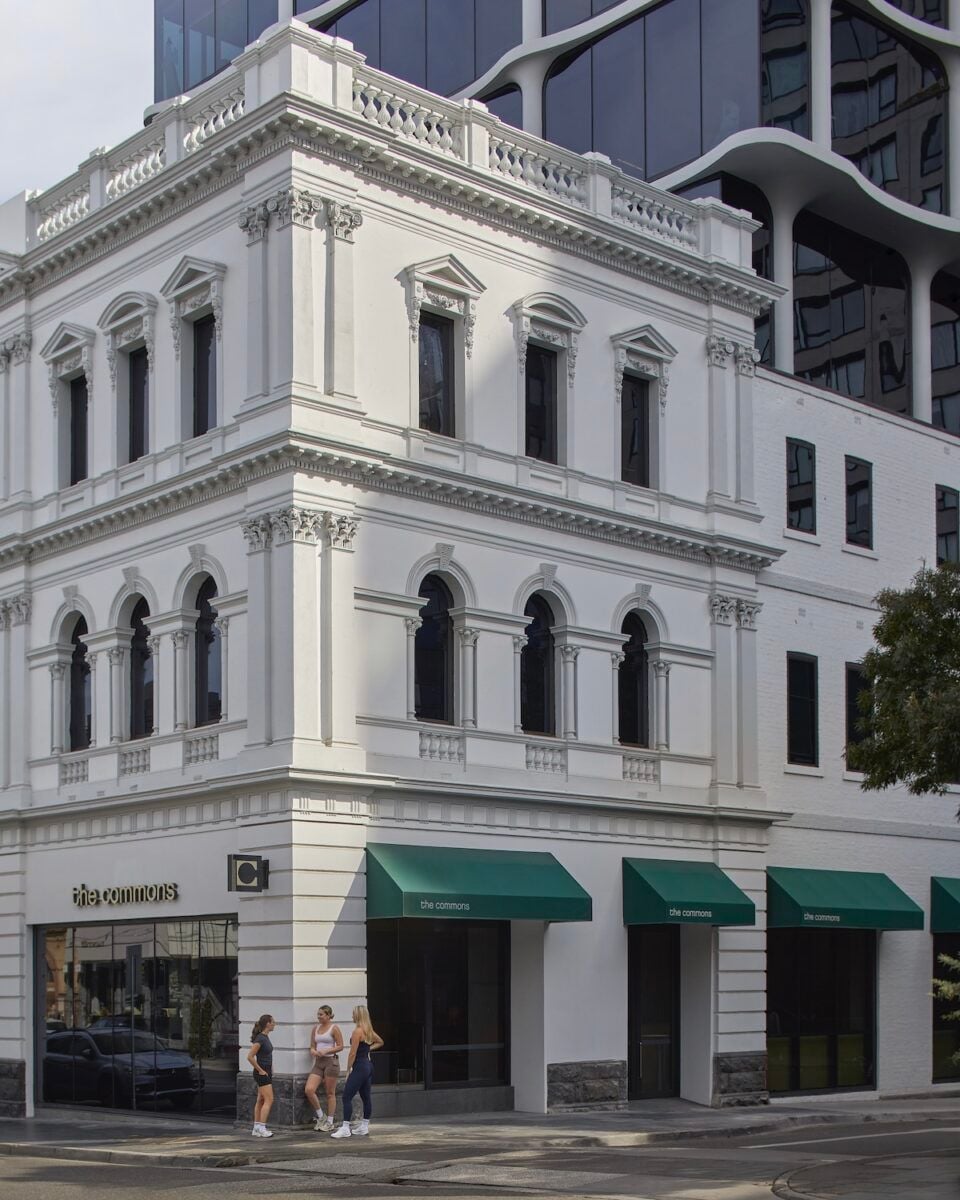
The result is a 5,000-square-metre space that boasts a full gym, more than 200 weekly classes across multiple disciplines, a bathhouse with a cold plunge pool, magnesium baths, and a 20-person traditional sauna, a café, and more. Annual membership for fitness starts at $79 per week. Fitness plus unlimited bathhouse access starts at $129 per week.
Harrod's background at ClassPass gives her an important insight into what the boutique fitness era achieved and what it left unresolved, telling me, "members would get obsessed with one thing for six weeks and then want to try something else. They weren't getting to know the teams, they weren't getting to know the other members, they didn't have this consistency."
The Commons Health Club proposes that the same quality, across multiple disciplines and delivered by teams who treat each one as its own specialist studio, can deliver variety without sacrificing that key feeling of belonging.
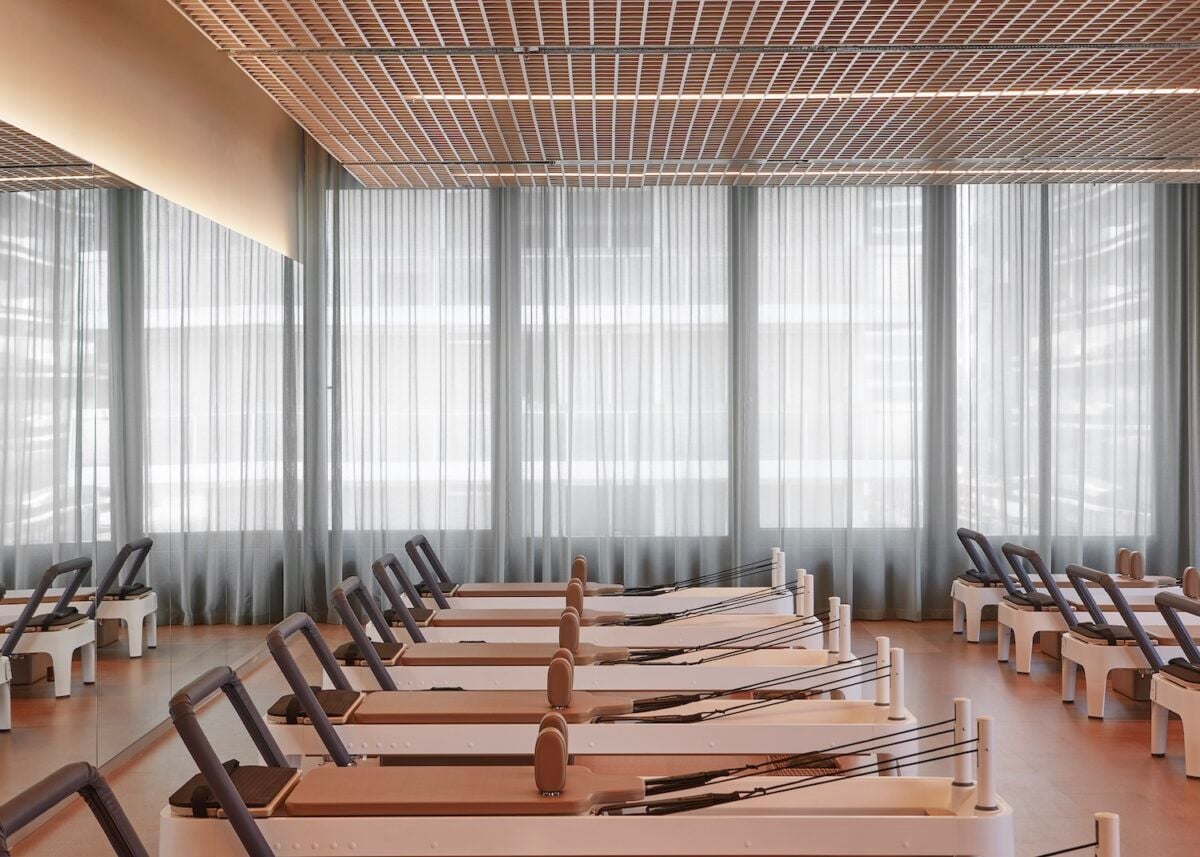
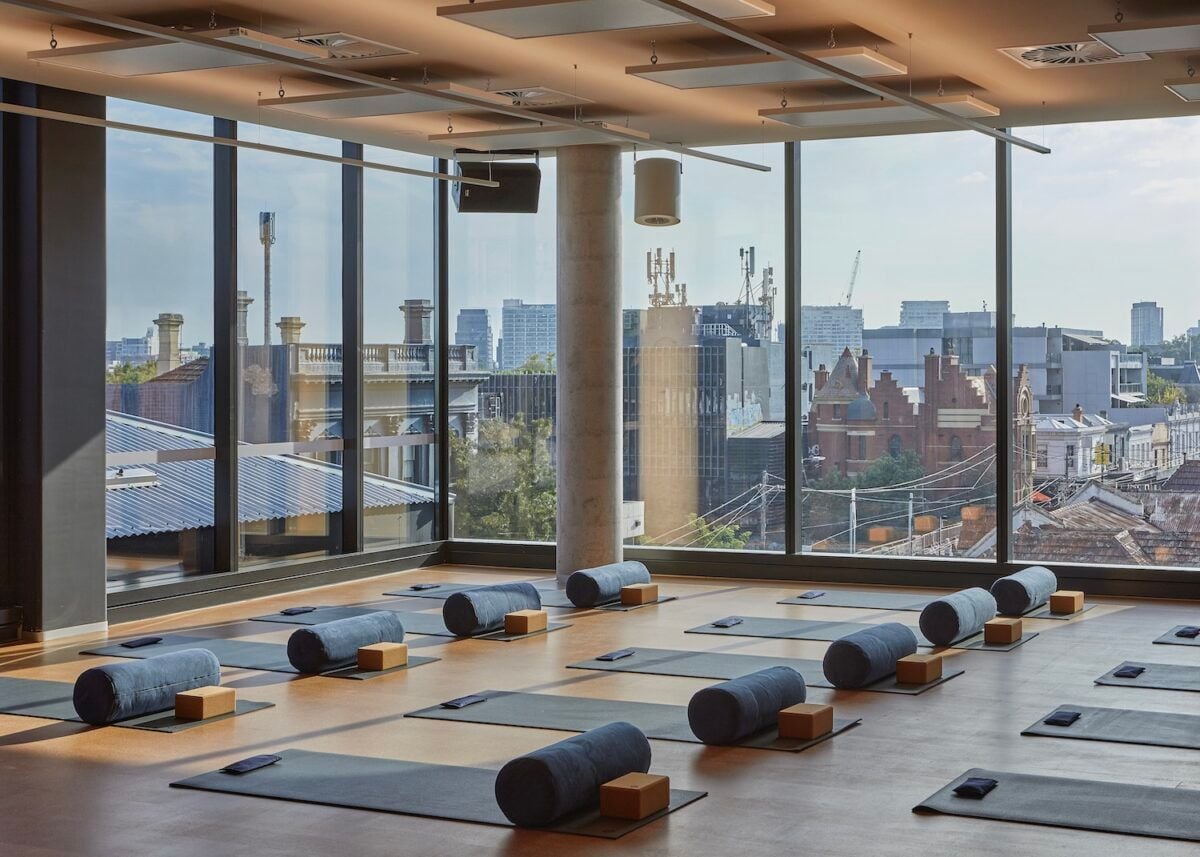
Unlike the slightly more organic approach taken by Saint Haven, Harrod believes that building community at this scale requires a degree of intervention. The meditation room at The Commons Health Club, for example, can hold ten people and is arranged in a circle to encourage organic conversation. Whilst, it might not make perfect commercial sense, the intimacy it creates generates connections that a larger studio would lose.
Similarly, the fragrance station in the change rooms serves a similar function, with member experience staff trained to begin conversations and create small moments of contact that, over time, lead to members recognising one another across the gym floor.
"From there," Harrod says, "the members take care of it themselves."
More Connected, More Lonely
For all the differences in price, format, and philosophy between these new-world clubs, the founders and operators running them generally share the same belief that something has gone wrong with how people connect.
"We're in almost an epidemic of loneliness," Trampedach says. "People are looking for places and experiences to connect. The more tech takes over, the more people feel disconnected."
Gurner frames it as a paradox. "People have never been more digitally connected," he says, "Yet many have never felt more emotionally disconnected, overwhelmed or isolated. There's a growing exhaustion that comes with constant stimulation, constant information and constant pressure to perform."
Grace puts it plainly, explaining "the more connected we become digitally, the less connected we actually are."
Harrod, whose view comes from a longer career inside the fitness industry than any of them, believes that the underlying feeling has always been there.
"I know that we talk a lot about community now," she says, "but the truth is, community has always been a really key aspect to any club I've worked in. It's just that now there are more words for it and people are more open to talking about it."
What they all agree on is that the pandemic didn’t start a new trend; it accelerated an existing one. The isolation of lockdowns removed basically all incidental social contact, and when offices reopened, many of us found that hybrid working locations meant a more permanent change to the way we interact in our professional lives.
Social media is another major factor in the picture, with most of us somewhat addicted to platforms that promise connection, only to deliver something far less substantial. Gurner designed Saint Haven with this gulf between needs and reality in mind.
"People today are deeply overstimulated," he says. "They're digitally connected 24/7, but emotionally disconnected from themselves and others. Saint Haven was intentionally designed as an antidote to that. A place where your nervous system calms down, your shoulders drop, your mind clears, and you reconnect with what matters."
"Expensive" Is Relative
There’s a pretty obvious challenge with private members’ clubs being a solution to loneliness that’s felt across all socioeconomic levels: price.
The loneliness epidemic isn’t exclusive to the affluent, and no matter how genuinely community-minded its founders are, it’s not a solution for the broader problem. The population comfortably able to pay five figures a year for club membership sits firmly in the top 1% of earners, and with multiple clubs competing for that same demographic in both Sydney and Melbourne, the market will naturally find its limits.
However, for those in that demographic, there’s plenty to be excited about, and Grace's calculation of the value proposition is compelling. A $20,000 membership, fully tax-deductible given the workspace elements, reduces to around $12,000 after tax. Take away another $3,000 in dining credit, and the cost is down $9,000. Take advantage of the two events that each member can run a year in the space, and the room fees alone cover the rest.
"If you use it," he says, "it's almost free."
Turning Up
A year into The Pillars, and Grace is busier than ever, having been at the club for 19 events in a row before he sat down to speak with me.
"The community that we have," he tells me with a smile on his face, "we haven't done it. We've provided a space, we've provided service. The people who have joined, and how they interact with each other - it never ceases to amaze me."
He pauses before continuing with a widening smile. "There's something special that has happened here, and I don't put it down to us as founders. It's the members who have created that. To be able to be the custodian of it is pretty f–king cool."
The private members' club, which spent much of the 20th century declining into irrelevance, has found that the ways we live our lives today have actually made them all the more important. How these particular clubs endure, if the economics of their operation eventually find profitability, and whether they ease the loneliness they’re responding to, remains to be seen.
But what does look clear is that the people building (and filling) these clubs have identified something real; that the sense of belonging they want requires a space, a community, and the willingness to turn up. In a world of infinite digital connection and deepening social isolation, the willingness to turn up might be the most important one of them all.