
- Rado built its identity around materials designed to resist wear, starting with the scratch-resistant DiaStar.
- High-tech ceramic became the brand’s defining breakthrough, reshaping both durability and design language in watchmaking.
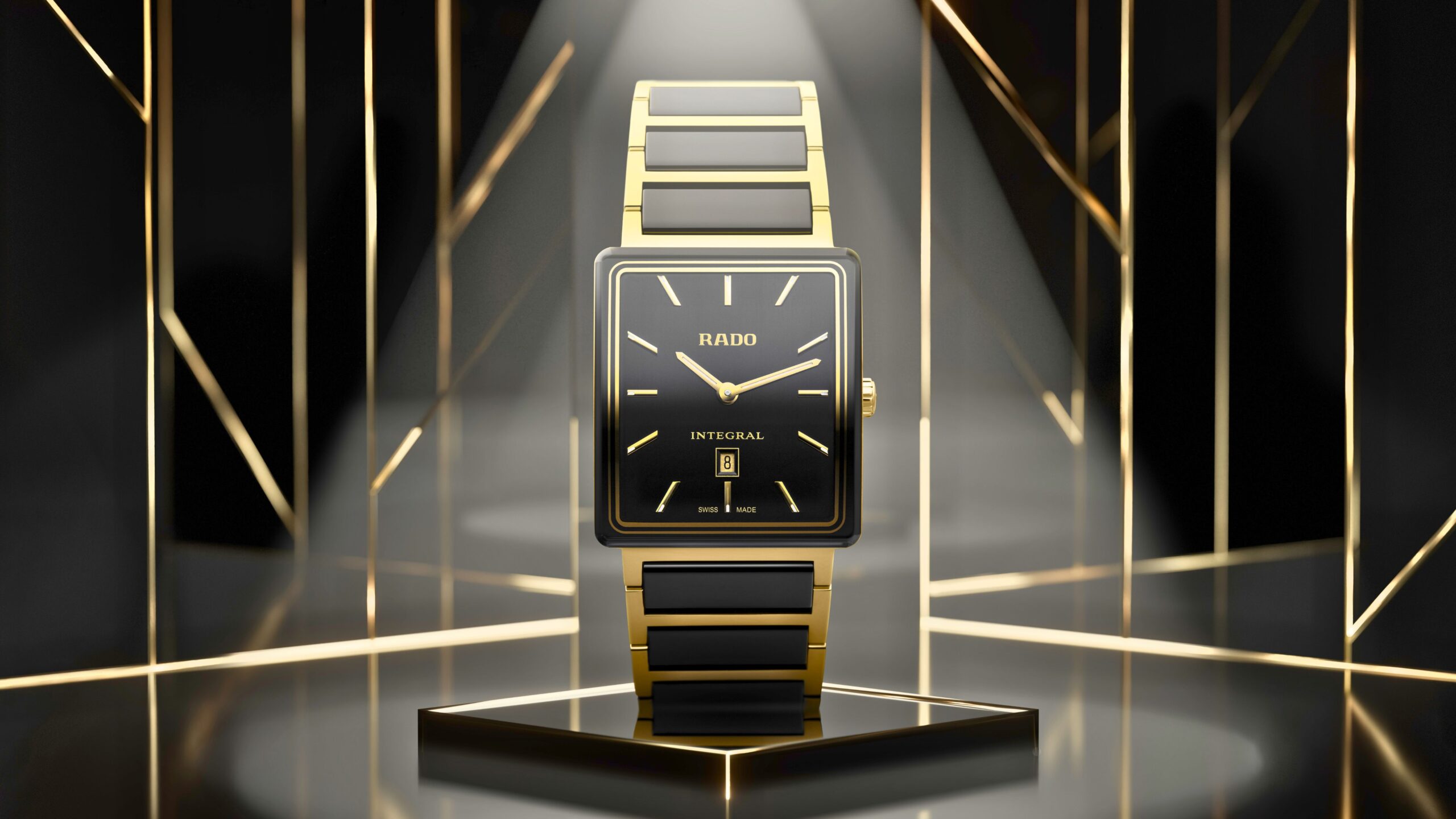
- The Integral 40th Anniversary Edition revisits a 1980s icon with updated scale but unchanged material philosophy.
There is a certain irony at the heart of the Rado brand story, one that permeates through each of its iconic pieces.
At the turn of the midcentury, the bigwigs at the Swiss luxury watch brand were looking to address a frustrating problem: pieces that enthusiasts spent their hard-earned francs on simply didn’t stand the test of time. Brass and steel scratched and marked, so Rado’s founders set out to make a significant change – one that would define the brand’s aesthetic and reshape the industry entirely.
The pursuit was pragmatic before it was poetic: find a material that lasts. Slightly unglamorous, though equally important.
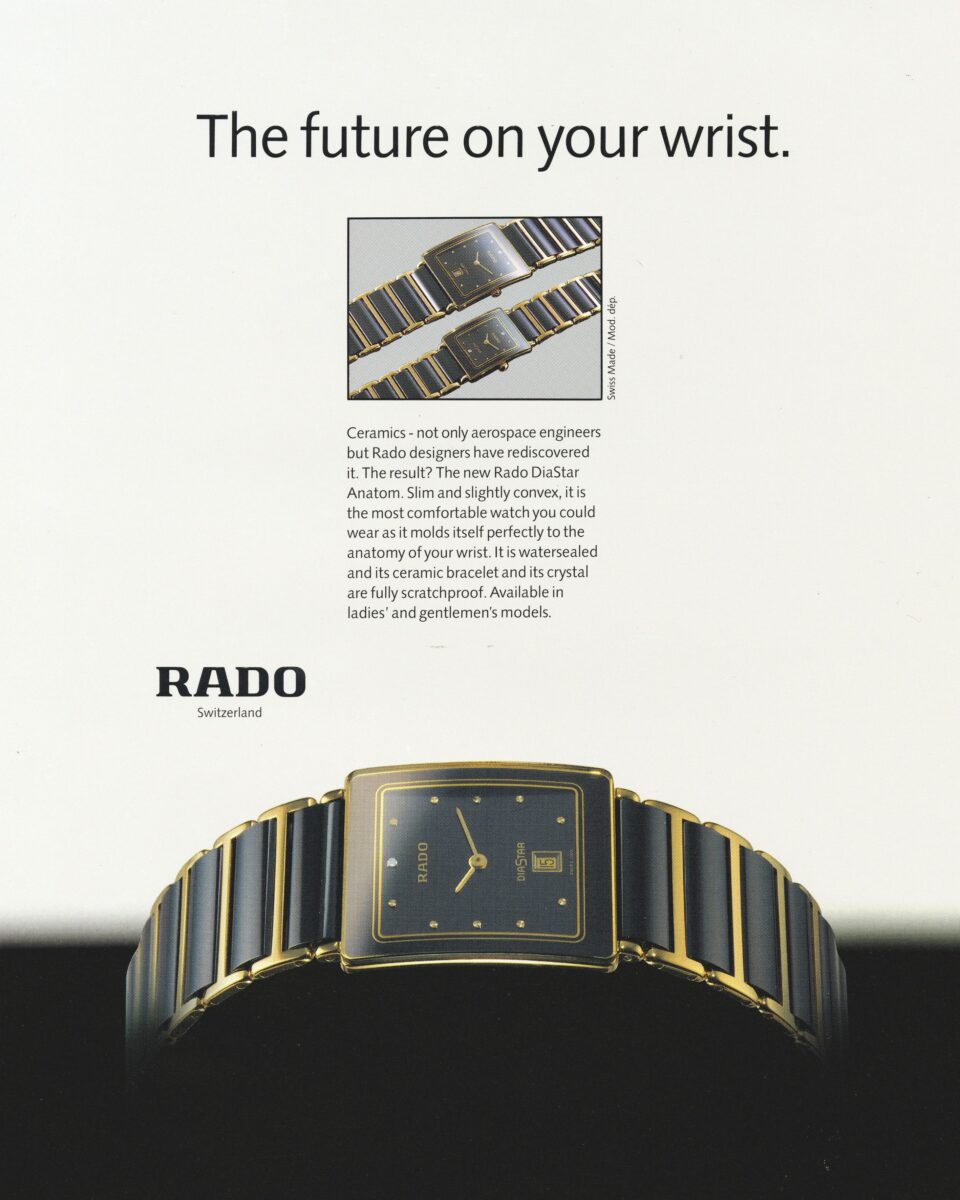
And so Rado launched the DiaStar, a watch with a Hardmetal case so resistant to scratching that visitors at watch fairs lined up just to try – and fail – to leave their mark on it. After being invited to do the same through an organised tour of the factory this week, taking a knife and fork to one of Rado’s bracelets, I can confirm it’s easier said than done.
This unrelenting spirit of innovation carried Rado through the next two decades. But its real moment came in the early 1980s, faced with a simple question: what comes next? What could be harder, lighter, more refined, more enduring?
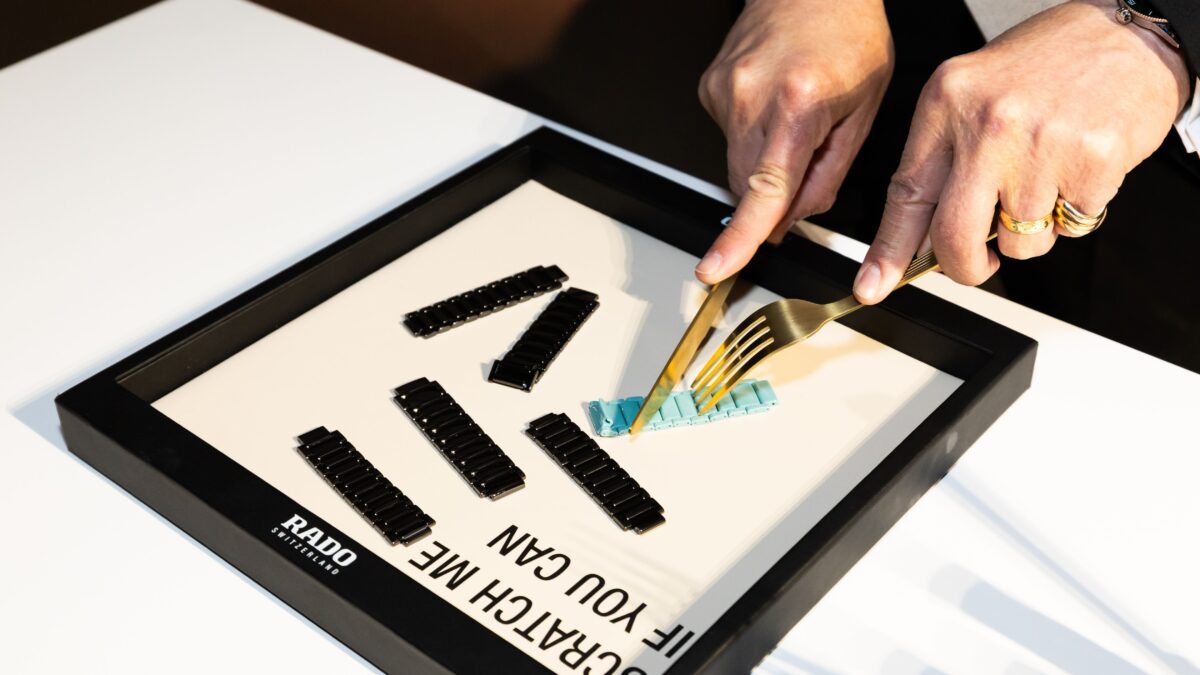
After considerable R&D, Rado became the first brand in history to produce high-tech ceramic watches in series. The watch that emerged – first released as the Anatom, rebranded as the Integral – was unlike anything the industry had seen. Case, bracelet, and curved edge-to-edge sapphire crystal folded into one seamless, unified silhouette, built to outlast anything else on the market.
To see it for ourselves, we toured Comadur, Rado’s ceramic facility in Boncourt, Switzerland, where every component is formed under 1,000 bars of pressure, sintered at 1,450°C, and finished with diamond tools to produce a proprietary material so strong that, one member of the Rado team revealed, none of the machines at the facility could break it.
In Neuchâtel, just a short hour and a half drive from Geneva, we saw vintage pieces pulled from the 1980s archive that didn’t have a single scratch on them. Not one. A ’60s piece sourced from a local flea market looked like it had left the factory last Tuesday. Forty years of use, zero evidence of it. It’s no wonder all but three of the brand’s top 20 best-sellers are now fully ceramic.
Rado Integral 40-Year Anniversary Edition
In 2026, Rado returns to push the boundaries once more, with an anniversary edition celebrating 40 years of its most-revered collection.
At just 28mm with a modest 7.3mm thickness, the Integral 40th Anniversary Edition hugs the wrist perfectly, its black and gold profile effortlessly slipping under the cuff. A polished yellow gold PVD case sits against a polished black high-tech ceramic bracelet – the same design language that made the original an icon. A fitting tribute to the watch that started it all.
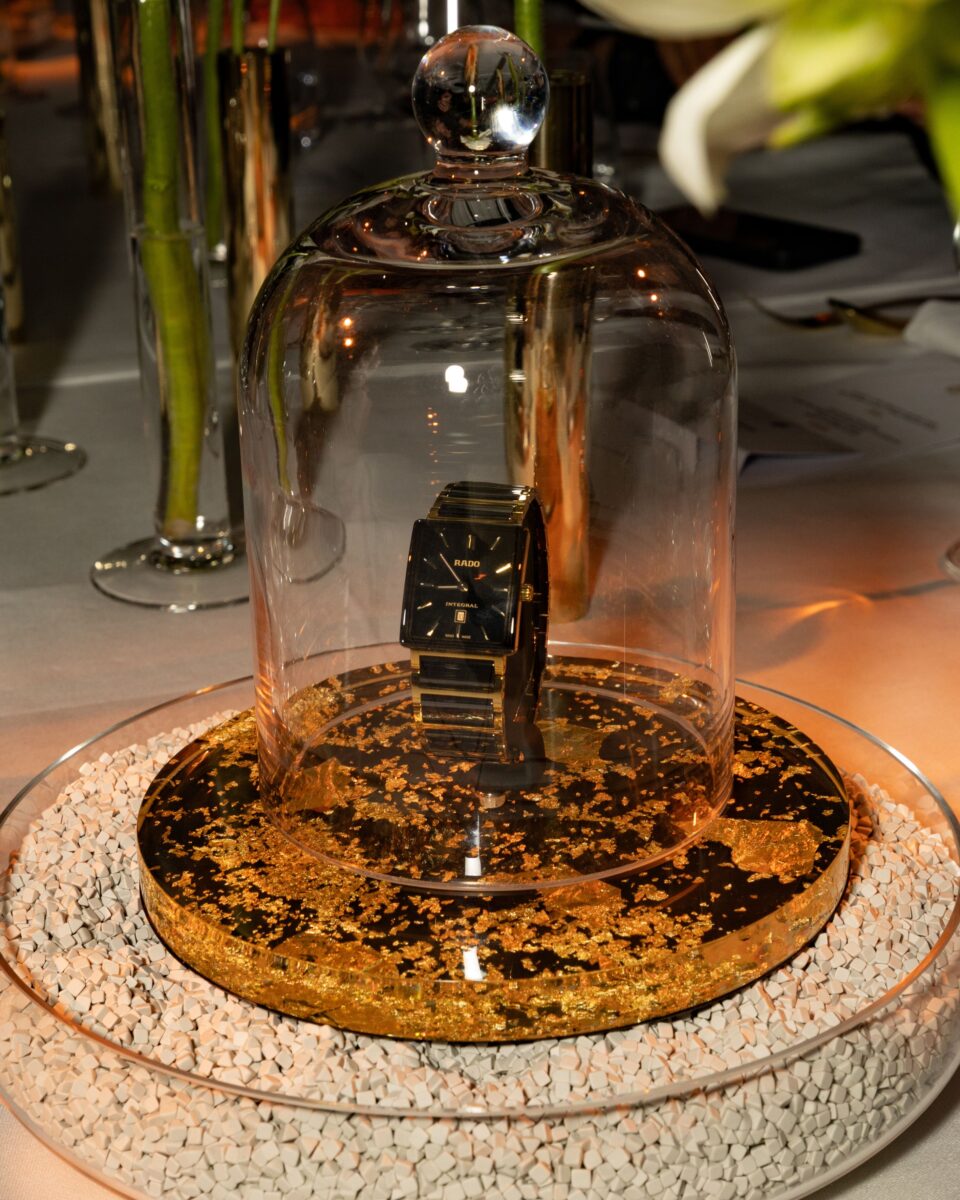
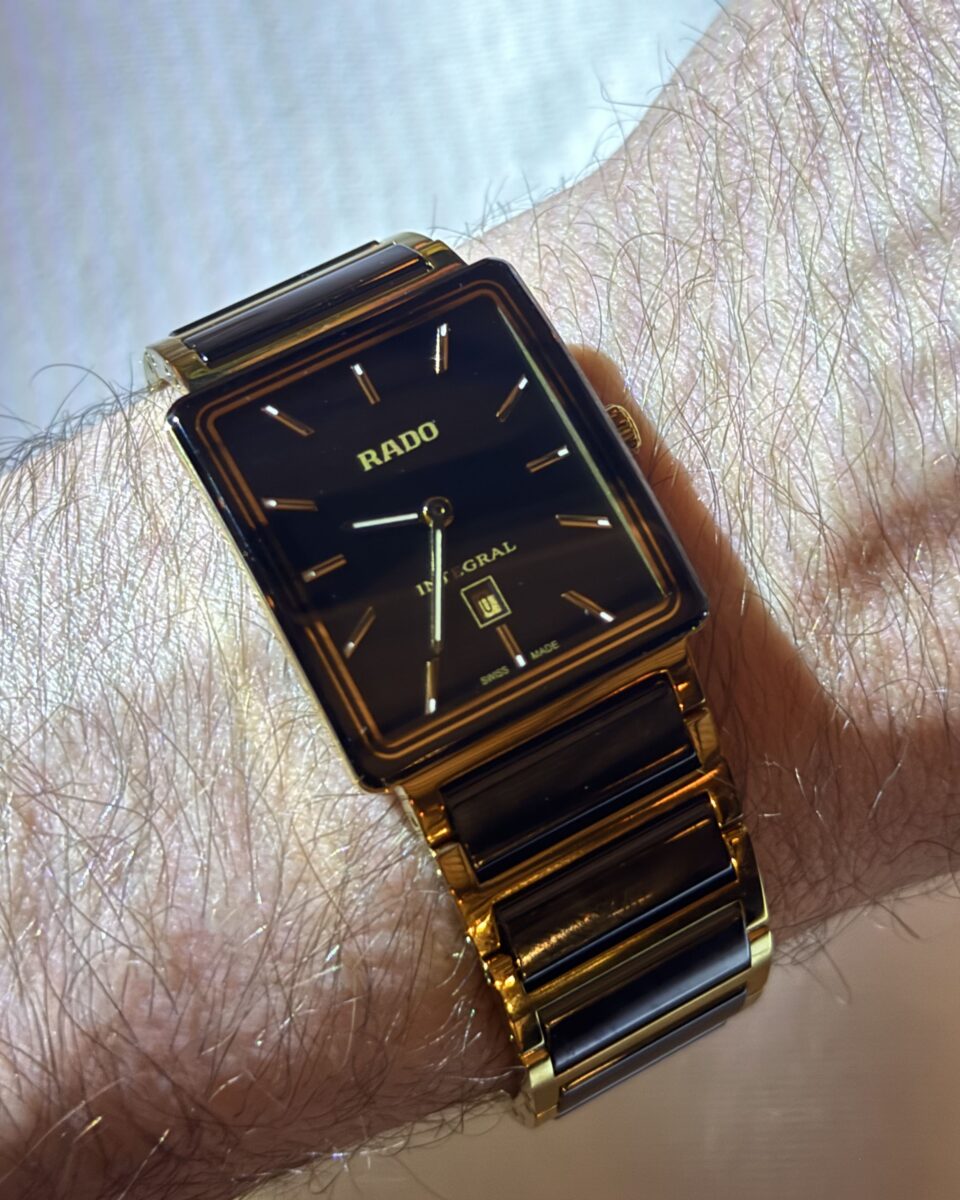
As one of the Rado team noted, the ceramic construct has largely remained unchanged since the first iteration four decades ago. The only thing that’s changed is the scale.
Rado set out to build something that could stand the test of time. They ended up creating a design language as enduring as the material itself. After forty years, the Integral is the benchmark the entire industry measures against.